Bristol has one of the most significant theatre cultures of any city outside London, anchored by two very different kinds of producing and presenting venue and surrounded by a wider ecosystem of smaller theatres, fringe spaces and touring venues. For theatre-goers visiting Bristol or based there, the range and quality of what is available is considerably higher than in most comparable UK cities. This guide covers the main venues, what each one does best, and how to plan a theatre visit to the city.
Bristol Old Vic holds a particular distinction in British theatrical history: it is widely recognised as the oldest continually working theatre in the English-speaking world, having opened in 1766 as part of the Theatre Royal Bristol. The building combines a beautifully preserved Georgian auditorium with a contemporary foyer, rehearsal and public space that opened after a major renovation in 2018, and the overall result is one of the most architecturally distinctive theatre buildings in the country.
The Old Vic operates as a producing house: it generates its own productions rather than simply presenting touring work, and the productions created there have a track record of transferring to the West End and beyond. The theatre has three performance spaces: the main house (approximately 600 seats), the Weston Studio (a flexible studio space) and the Coopers' Hall. Its programme covers new writing, classical drama and musical theatre across the year.
For visitors to Bristol with an interest in theatre, the Old Vic is the venue that most rewards prioritising. Productions here are among the most original in British regional theatre, and the building itself is a reason to visit.
Bristol Hippodrome is the city's principal touring venue and one of the largest receiving houses outside London, with a capacity of approximately 1,900 seats. The Hippodrome was designed by Frank Matcham and opened in 1912, and while the building has been extensively modernised in the decades since, it retains the scale and decorative ambition of a major Edwardian theatre.
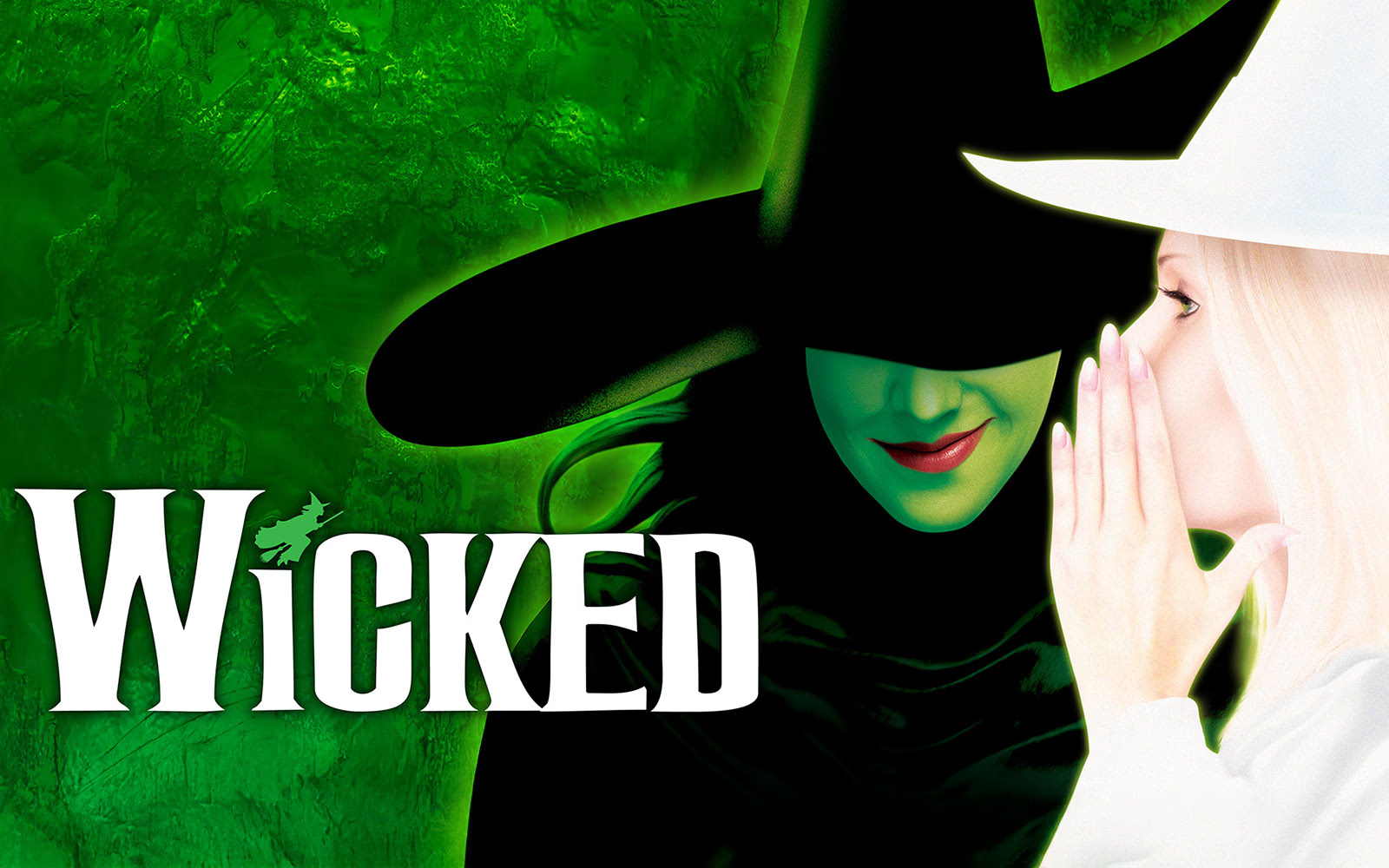
The Hippodrome's programme is predominantly touring productions of major musicals and plays that have come from or are heading to the West End. Productions of shows like Les Misérables and Wicked have played Bristol as part of their national touring runs, giving audiences outside London the opportunity to see productions at a comparable standard to the West End originals.
For families and visitors to Bristol wanting a large-scale musical or drama, the Hippodrome is the natural first stop. The programme is booked well in advance, and popular touring productions sell out quickly.
The Tobacco Factory Theatres, located in Southville on the south side of the city, operate a programme that is deliberately distinct from both the Old Vic and the Hippodrome. Based in a converted Victorian factory building, the venue has two performance spaces and a strong reputation for new writing, contemporary performance and work that takes theatrical risk.
The main space is a promenade or traverse configuration that can be reconfigured for different productions, giving directors the flexibility to create site-responsive staging that would not be possible in a traditional proscenium or end-on theatre. The Tobacco Factory has been a significant generator of new work in the region and has a loyal audience among Bristol theatregoers who follow new writing closely.
Bristol has a wider range of smaller venues that contribute to the city's theatrical life. The Redgrave Theatre in Clifton has a long history as a producing space and regularly presents drama, comedy and smaller-scale musical productions. The Brewery Theatre and the Alma Tavern are among several pub and fringe venues that present new and emerging work throughout the year.
The Colston Hall (now renamed the Bristol Beacon) is the city's principal concert hall and occasionally hosts productions with significant musical elements. St George's Bristol is an important music venue that sometimes hosts theatrical productions with musical components.
Bristol is served by good rail connections from London Paddington, with journey times of approximately one hour thirty to forty-five minutes on Great Western Railway services to Bristol Temple Meads, the city's main station. Temple Meads is approximately a twenty-minute walk or short taxi journey from the Bristol Old Vic and Hippodrome, both of which are in the city centre close to each other.
For the Tobacco Factory in Southville, a taxi or bus from the city centre takes approximately fifteen minutes.
Bristol is also accessible by National Express coach from London Victoria, with journey times of approximately two hours fifteen minutes.
Bristol theatre offers an interesting contrast to the West End rather than a substitute for it. The Old Vic's producing work and the Tobacco Factory's commitment to new writing represent a different kind of theatrical ambition from the long-running commercial musicals that characterise much of the London programme. A visit to Bristol alongside West End shows gives a broader picture of what British theatre looks like in aggregate.
For visitors planning a London trip and interested in what the Victoria Palace Theatre and the broader West End programme look like compared to regional theatre, BritishTheatre.com covers shows and venues across Britain. For West End tickets, tickadoo has full availability across the London programme.
Book early for the Hippodrome. Touring productions at the Hippodrome, particularly musicals and long-established shows, sell well in advance. Checking the Hippodrome's programme several months ahead and booking once a show you want to see is confirmed gives the best seat choice.
Check the Old Vic's season in advance. The Old Vic operates a season-based programme; the best way to plan a visit is to check when the production you want to see is on and book accordingly. Productions often have limited runs of three to six weeks.
The Tobacco Factory is worth discovering. For theatre-goers who enjoy new writing and less conventional staging, the Tobacco Factory is a genuine discovery for many visitors. Productions are frequently reviewed positively by national critics and are less easy to see once a run ends.
For West End shows including touring productions and the full London programme, tickadoo covers all available dates.
Stay in the spotlight
Get the latest theatre news, reviews and exclusive offers straight to your inbox.