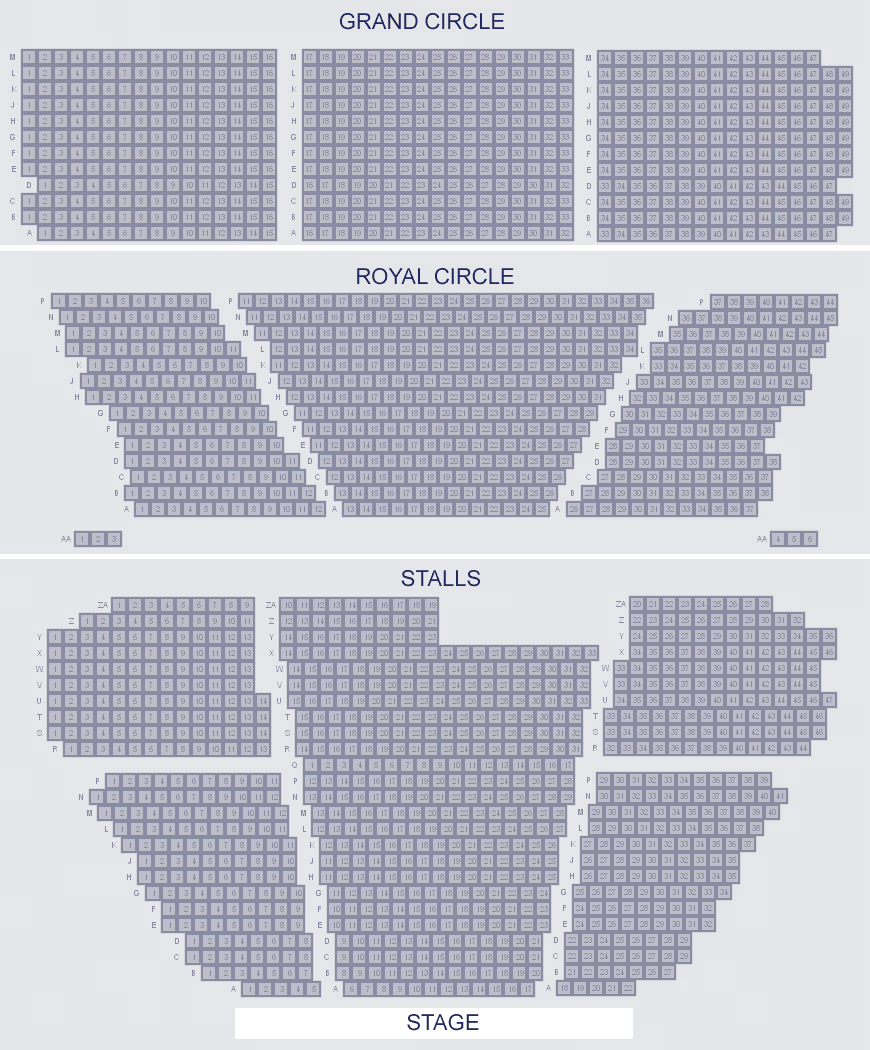
British theatre does not begin and end in London. The country has a network of producing and receiving theatres of genuine ambition and quality that collectively make up one of the strongest regional theatre cultures in the world. Several of the most significant productions of recent decades originated outside London, and many of the best theatre buildings in Britain are in cities where a seat costs considerably less than an equivalent West End position. This guide covers the UK's leading regional theatre venues and what makes each one worth seeking out.
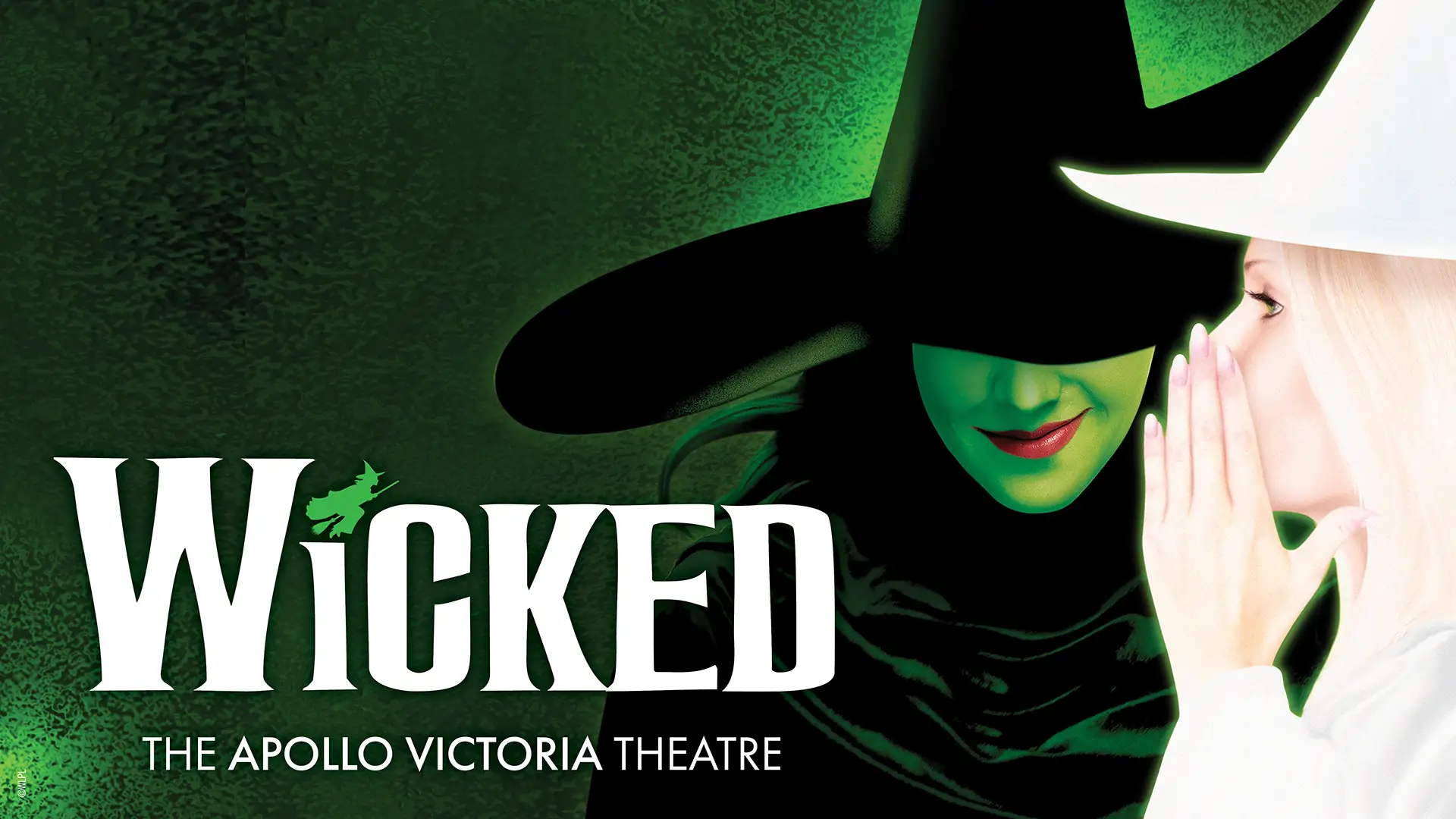
The regional theatre circuit serves several functions. It is where major West End productions tour after their London runs, bringing shows like Hamilton and Wicked to audiences across the country. It is also where the producing theatres (organisations that make their own work rather than simply receive touring productions) create the work that feeds into London, Broadway and international stages. The relationship between London and the regions is not one of centre and periphery; it is a genuine exchange in both directions.
Chichester Festival Theatre in West Sussex is one of the most significant producing theatres in the country. The main theatre, the Festival Theatre, is a hexagonal thrust stage configuration seating around 1,300 people; the adjoining Minerva Theatre is a studio space with a flexible configuration. The venue produces its own work from spring through autumn, and many of its productions have transferred to London and Broadway.
The theatre's reputation rests on consistently high production values, strong casting and a programme that balances popular audience appeal with genuine artistic ambition. For theatre-goers within reasonable distance of Chichester, it is one of the most rewarding destinations in the country.
The Royal Exchange Theatre in Manchester occupies a converted Victorian exchange building in the city centre. The theatre itself is a glass and steel module suspended inside the great hall of the exchange, seating around 700 people in a theatre-in-the-round configuration. The visual effect is remarkable and the configuration means no seat is far from the stage.
The Royal Exchange is one of the leading producing theatres in the country. Its work spans new writing, revivals of classic texts and co-productions with other major British organisations. Productions from the Royal Exchange regularly transfer to London, including to the Old Vic Theatre, the Bridge Theatre and the National Theatre. For audience members in the north of England, it is the essential theatrical destination.
Leeds Playhouse (formerly West Yorkshire Playhouse) is a major producing theatre in the city centre of Leeds, close to the bus station and a short walk from Leeds train station. It operates two main spaces: the Quarry Theatre (around 750 seats in a thrust configuration) and the more intimate Courtyard Theatre.
Leeds Playhouse has a strong record in new writing and in producing work by and for communities that are less frequently represented on the main stage of large British theatres. Its productions regularly transfer to London and tour nationally. The building was substantially refurbished in 2019 and now has excellent facilities and accessibility.
The Citizens' Theatre in Glasgow is one of Scotland's leading producing theatres, with a history of ambitious and politically engaged work going back to the 1970s. The building is a restored Victorian theatre in the Gorbals area of Glasgow. The Citizens' has a particular reputation for work that challenges audiences and for casting and programming decisions that reflect the full range of Scottish society.
Theatre Royal Bath is one of the oldest theatre buildings in continuous operation in the country, dating from 1805. As a receiving house at the centre of Bath's city, it programmes a mix of touring West End productions, pre-London tryouts and visiting productions. Several productions have used the Theatre Royal Bath as a testing ground before London transfers.
The building is Georgian in character and one of the most beautiful theatre interiors in the country. For visitors to Bath, an evening at the Theatre Royal is a natural addition to the cultural itinerary.
The Crucible Theatre in Sheffield is best known internationally as the home of the World Snooker Championship, but its theatrical programme is one of the strongest of any producing theatre in the north of England. The main Crucible stage is a thrust configuration seating around 980 people; the adjoining Studio theatre offers a more intimate space for smaller-scale and more experimental work.
The Crucible has a strong history of producing large-scale revivals of classic texts alongside new writing and co-productions. Its output has influenced British theatre considerably, and productions have transferred to London on multiple occasions. For audience members in Yorkshire and the wider north of England, it is an outstanding destination for high-quality theatre at a price point generally below equivalent West End productions.
Nottingham Playhouse is a major producing theatre in the East Midlands, with a thrust-stage main house seating around 750 people. Its programme balances popular musicals and classic texts with new writing and community engagement. The theatre has a long history of work that connects specifically with Nottingham's population, and its productions regularly receive national attention.
The Playhouse is a few minutes' walk from Nottingham city centre and easily accessible from the train station. For theatre-goers in the Midlands who want a strong producing theatre within comfortable reach, Nottingham Playhouse is a reliable option.
Producing versus receiving. A producing theatre creates its own work; a receiving theatre programmes touring productions made elsewhere. Both have value, but a producing theatre offers something unique: the work is created specifically for that space and community, and the relationship between the audience and the production has a particular quality that touring work cannot always replicate.
Transfer history. Theatres with a strong record of productions transferring to London are typically those with consistently high standards of production. The organisations named above have all contributed work that has reached national and international stages.
Booking ahead. Unlike many West End shows, regional theatre productions run for shorter periods and can sell quickly, particularly for opening weeks and popular titles. Booking a few weeks ahead is advisable for any production that is likely to be popular.
West End shows on national tour are ticketed through the individual venues. For London productions including Les Misérables, Hamilton and the rest of the West End programme, BritishTheatre.com covers the full London programme. For London tickets, tickadoo covers all major West End productions. tickadoo also covers gift vouchers for theatre occasions including London visits.
Stay in the spotlight
Get the latest theatre news, reviews and exclusive offers straight to your inbox.