A trip to the West End works best when the show is part of a wider day out rather than the whole of it. London's theatre district sits in one of the most interesting parts of the city, surrounded by things to see, eat and do. With a little planning, you can turn an afternoon or evening performance into a full day that makes the journey worthwhile. Here is how to put one together.
The first decision is which show to see, and that choice will shape the rest of your day. Matinee performances (usually starting at 2:00pm or 2:30pm on Wednesdays and Saturdays) work well if you want to arrive in London mid-morning, see a show and still have the evening free. Evening performances (typically 7:30pm) suit those who prefer to explore during the day and end with the theatre.
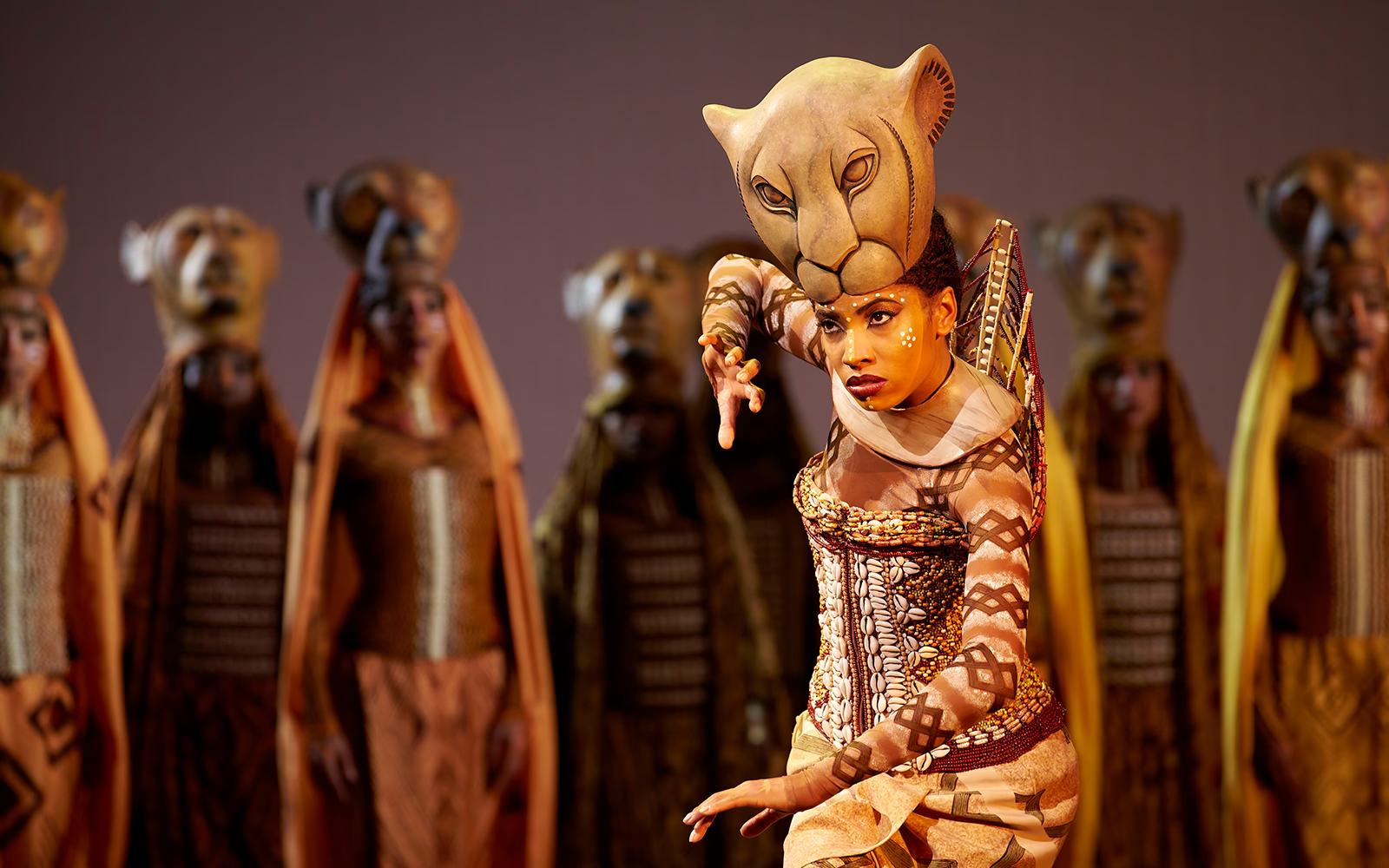
Browse the full lineup of West End shows on BritishTheatre.com. If you need help choosing, our guides to individual shows cover what to expect, who each one suits and how long it runs. Popular options include The Lion King at the Lyceum Theatre, Wicked at the Apollo Victoria, and Hamilton at the Victoria Palace. Book through tickadoo to secure your seats.
Most West End theatres sit within a small area of central London, but each neighbourhood has its own character. Knowing what is nearby helps you fill the hours around the show.
Covent Garden (theatres include the Lyceum, the Novello and Theatre Royal Drury Lane) is surrounded by independent shops, street performers and the covered market. The London Transport Museum is here, and the Royal Opera House is a two-minute walk away. It is a good area for browsing without a fixed plan.
Soho and Chinatown (theatres include the Prince Edward, the Sondheim and the Palace) offer some of London's best food options. Chinatown has reliable, affordable restaurants for a quick pre-theatre meal, and Soho's side streets are packed with cafes, bars and bakeries.
Around Victoria and Westminster (theatres include the Apollo Victoria and the Victoria Palace) suit visitors who want to combine a show with London sightseeing. Buckingham Palace, St James's Park and Westminster Abbey are all within walking distance. An afternoon matinee at the Apollo Victoria could easily follow a morning walk through the park.
South Bank (venues include the National Theatre, the Old Vic and the Bridge Theatre) runs along the Thames. The Tate Modern, Borough Market and the riverside walk between Waterloo Bridge and Tower Bridge make this a strong option for a full day out, particularly in warmer weather.
Eating before the show is part of the ritual for many theatre-goers, and the West End has no shortage of options. Most restaurants in the theatre district are used to the pre-show rush and offer set menus designed to get you fed and out the door in time.
A few practical points: book your table in advance, especially for Friday and Saturday evenings. Allow at least 90 minutes between sitting down and curtain up. If you are seeing a matinee, a late breakfast or early lunch is usually more relaxed than trying to squeeze in a full meal beforehand.
You do not need to eat in the same street as your theatre. Most West End venues are five to ten minutes apart on foot, so you can eat in Covent Garden and walk to a theatre in Soho without any difficulty.
If you are seeing a 7:30pm performance, you have the whole day to explore. A useful pattern: arrive in London mid-morning, spend a few hours at a museum or gallery (the National Gallery, the British Museum and the V&A are all free and worth your time), have a leisurely lunch, then head to the theatre district for an early dinner before the show.
After an evening performance, most restaurants in the area will have closed their kitchens, but there are late-night options in Soho and Chinatown. Alternatively, a drink at a bar near the theatre is a pleasant way to wind down before heading home. Many theatres are close to major Underground stations, and the Tube runs late enough to get you home or back to your hotel comfortably.
Matinees work particularly well for families or anyone coming from outside London. A typical matinee finishes around 4:30pm to 5:00pm, which leaves the whole evening open. After the show, you could walk through Covent Garden or along the South Bank, have an early dinner, or head to a second attraction.
Some visitors see a matinee and an evening show on the same day. It is a long day, but if you have two shows you want to see, it is entirely doable with a break for food in between.
If you are planning a day around a family-friendly show like The Lion King or Matilda the Musical, keep the day manageable. Children tire quickly in central London, so plan one or two activities before the show rather than trying to pack the day full.
The London Transport Museum in Covent Garden is a reliable hit with younger children and sits minutes from the Lyceum. The Science Museum in South Kensington suits slightly older children and is free. Build in time for a meal that children will enjoy, and aim to arrive at the theatre with time to spare so there is no rush.
Travel. If coming from outside London, check train times and book in advance. The major stations (Waterloo, Euston, King's Cross, Paddington) are all connected to the theatre district by the Underground.
Luggage. If you are making a day trip by train, travelling light makes the day much easier. Most theatres do not have cloakrooms or luggage storage. There are commercial luggage storage services near most major stations if needed.
Weather. London's weather is unpredictable. Layers and a compact umbrella are sensible any time of year. If rain disrupts your plans, the theatre district has enough covered spaces, cafes and shops to keep you occupied.
Tickets. Book your show in advance through tickadoo and check the BritishTheatre.com show listings for details on running times and suitability before you finalise your day.
Stay in the spotlight
Get the latest theatre news, reviews and exclusive offers straight to your inbox.