The West End's most famous productions are largely musicals, and the city's reputation for musical theatre is well earned. But London also has one of the richest straight theatre traditions in the world, and audiences who want spoken drama, classic texts, and ambitious new writing will find more choice and more quality in the capital than almost anywhere else. This guide covers the best venues and productions for non-musical theatre in London.
The concentration of producing theatres, the tradition of Shakespeare and the English dramatic canon, and the pipeline of new writing from subsidised organisations make London exceptional for plays as well as musicals. The National Theatre, the Old Vic, the Royal Court and the Bridge Theatre are four of the most significant producing theatres in any city in the world, and between them they mount work that regularly redefines what the play form can do.
For audience members who prefer plays or who have never been sure whether musicals are for them, London offers a choice that is at least as rich as the musical programme, though it requires slightly more active searching since the plays receive less marketing attention outside the theatre community.
The National Theatre on the South Bank is the single most significant producing organisation in British theatre. Its three auditoriums, the Olivier (a large open-stage house), the Lyttelton (a proscenium house) and the Dorfman (a flexible studio), run simultaneously and produce an enormous range of work, from large-scale new productions of classic texts to world premieres of new plays, international productions, and transfers from subsidised theatres across the country.
The Lyttelton Theatre at the National seats around 890 people and is the most accessible of the three spaces for general audiences: the proscenium format is familiar, the sight lines are excellent from central positions, and the programme regularly includes productions that become the theatrical event of their year. National Theatre productions regularly transfer to the West End and to Broadway, and many of the most celebrated plays of the past thirty years were first seen here.
The National Theatre is on the South Bank, a short walk from Waterloo station and directly accessible by bus across Waterloo Bridge. It is worth noting that the National Theatre is a destination in its own right: the building, the river views, and the surrounding walkway make an evening at the NT a broader experience than simply attending a performance.
The Old Vic Theatre on The Cut near Waterloo is one of the most historic theatre buildings in London, having operated as a major venue since the nineteenth century. It is currently a producing theatre with a strong programme of new productions alongside revivals of classic texts.
The Old Vic's auditorium is a mid-Victorian horseshoe design seating around 1,000 people, with a warm and intimate character that is particularly effective for plays. The proximity of the audience to the stage and the visual warmth of the building make it one of the best houses in London for watching spoken drama. Productions at the Old Vic regularly attract major casting and have a track record of exceptional productions of Shakespeare, Chekhov and new work.
The Bridge Theatre near London Bridge station is the most significant relatively new West End-scale venue in London. Opened in 2017, it is purpose-designed for versatile staging: the auditorium can be configured as a traditional proscenium, in the round, or as a promenade space, and the theatre uses all three configurations depending on the production.
The Bridge Theatre's programme is primarily plays and non-musical work, with an emphasis on new writing and productions of classic texts in inventive stagings. The venue seats around 900 people in its standard configuration and has quickly become one of the most anticipated booking destinations in London. Productions in the promenade configuration offer an immersive experience that is quite different from any conventional seated performance.
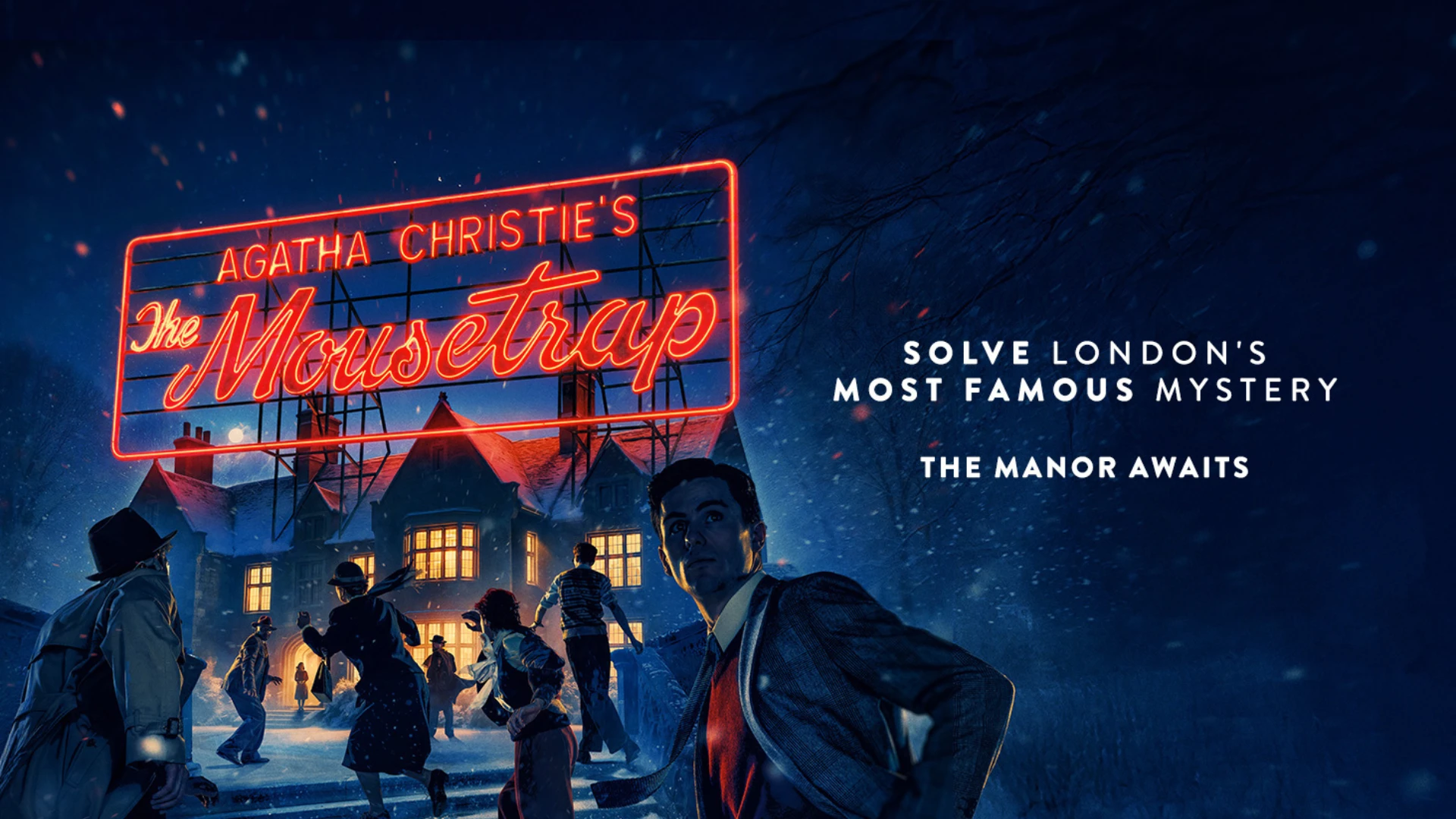
The Mousetrap at St Martin's Theatre holds the world record for the longest continuous run of any theatrical production. Agatha Christie's murder mystery has been playing in London since 1952 and, while it is very much a piece of theatrical history, it also works well as an evening out: the plotting is tight, the theatrical conventions of the whodunit are deployed with skill, and the experience of sitting in a West End theatre watching a play that has run for more than seventy years has a particular quality.
For audience members who want something that is distinctly and historically London rather than a production that could have come from anywhere, The Mousetrap is a unique option. It is not the most artistically ambitious show in London, but it is unlike anything else.
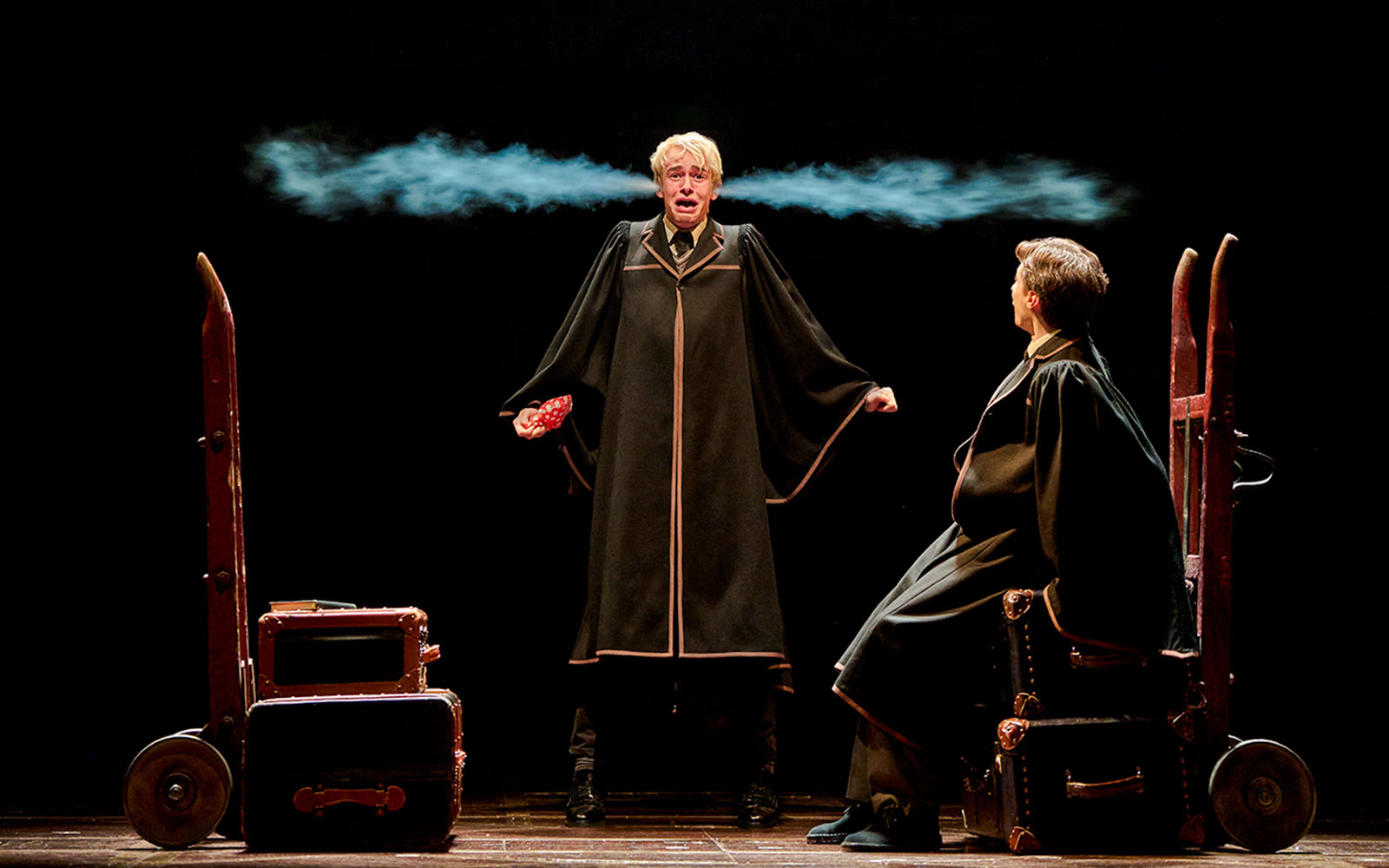
Harry Potter and the Cursed Child at the Palace Theatre is a reminder that non-musical theatre can be spectacular. The play, which follows Harry Potter's son Albus and his friendship with Scorpius Malfoy, uses theatrical techniques including illusions, lighting, movement and staging to create effects that are as visually impressive as anything in the musical theatre programme. It is a large-scale theatrical event that happens not to have a song score.
For audience members who associate spectacular theatre with musicals and have been unsure whether straight drama can match the sensory experience, Cursed Child is a persuasive demonstration that it can. Age guidance is ten and above.
The Hunger Games on Stage is an adaptation of Suzanne Collins' novel for the stage, a large-scale production that deploys physical theatre, staging invention and theatrical storytelling to bring the dystopian world of Panem to life. The show represents a strand of adaptation work that is increasingly prominent in London theatre: ambitious takes on material from other forms that demonstrate what theatre can do that other media cannot.
For audience members whose primary interest is storytelling rather than song, these large-scale non-musical productions represent an important part of the London offer.
The challenge with non-musical theatre in London is that productions are typically shorter runs than long-running musicals. While shows like The Lion King and Wicked play continuously, a National Theatre production or Old Vic revival may run for eight to twelve weeks. Checking what is on at any given time requires checking the individual theatre schedules rather than relying on the handful of permanent West End shows.
BritishTheatre.com covers the full range of London productions, including plays and non-musical work alongside the musical programme, making it easier to see what is available on any particular visit. For tickets across the full West End programme, tickadoo covers all major productions. tickadoo also covers options for gift vouchers for theatre occasions.
What is the best play to see in London? The National Theatre, Old Vic and Bridge Theatre are consistently the most reliable destinations for high-quality new productions of plays. What is "best" depends on what is running during any given visit; checking the schedules of these three venues alongside the St Martin's Theatre (for The Mousetrap) and the West End shows currently playing gives the clearest picture.
Is non-musical theatre harder to book in London? Not necessarily, but shorter runs mean less time to book. For National Theatre and Old Vic productions, booking a few weeks ahead is usually sufficient for most nights. For opening nights and press performances, booking earlier is advisable.
Are West End plays suitable for children? It depends on the production. Harry Potter and the Cursed Child (age guidance ten and above) and some Shakespeare productions in accessible versions work well for children. Most serious new writing at the National Theatre or Old Vic is intended for adult audiences.
What is The Mousetrap and how long has it been running? The Mousetrap is a murder mystery by Agatha Christie that has run continuously in London since 1952, making it the world's longest-running theatrical production. It plays at St Martin's Theatre in the West End.
Stay in the spotlight
Get the latest theatre news, reviews and exclusive offers straight to your inbox.