A West End show is often the centrepiece of a day in London rather than the entirety of it, and planning what to do around a performance requires a different kind of thinking than simply booking a ticket. The timing of the show, its location in the city and the interests of the group all affect what makes sense as a pairing. London's principal theatre district sits within one of the most concentrated areas of cultural and tourist activity in the world, and an evening performance leaves the day open for a wide range of activities that can complement rather than compete with the theatrical experience. This guide covers the main areas to consider when building a full day around a West End show, from South Bank mornings to Covent Garden afternoons to the question of where to eat before the curtain goes up.
For audiences attending a production at the National Theatre or another South Bank venue, the day almost designs itself. The South Bank cultural corridor between Waterloo Bridge and Blackfriars Bridge contains an extraordinary concentration of cultural institutions within a short walk of each other.
The Tate Modern, the Royal Festival Hall, the Hayward Gallery, the BFI Southbank cinema and the National Theatre itself are all positioned along the riverside walkway, and spending a day moving between them before an evening performance allows for a genuinely immersive cultural experience. The Tate Modern's permanent collection is free to enter, and exhibitions run through the day in both the main building and the Blavatnik Building extension. The Royal Festival Hall's public spaces are open and free, with food and drink available and views of the Thames from the upper levels.
The South Bank is also a strong option for families, with the riverside walk providing a relaxed environment that works for different ages. Skateboarding at the undercroft beneath the Hayward Gallery, street food along the riverside and the open spaces near the National Theatre give the area a variety that suits a full day's visit. The National Theatre's own public spaces, including free events in the foyer, extend the experience of the venue beyond the performance itself.
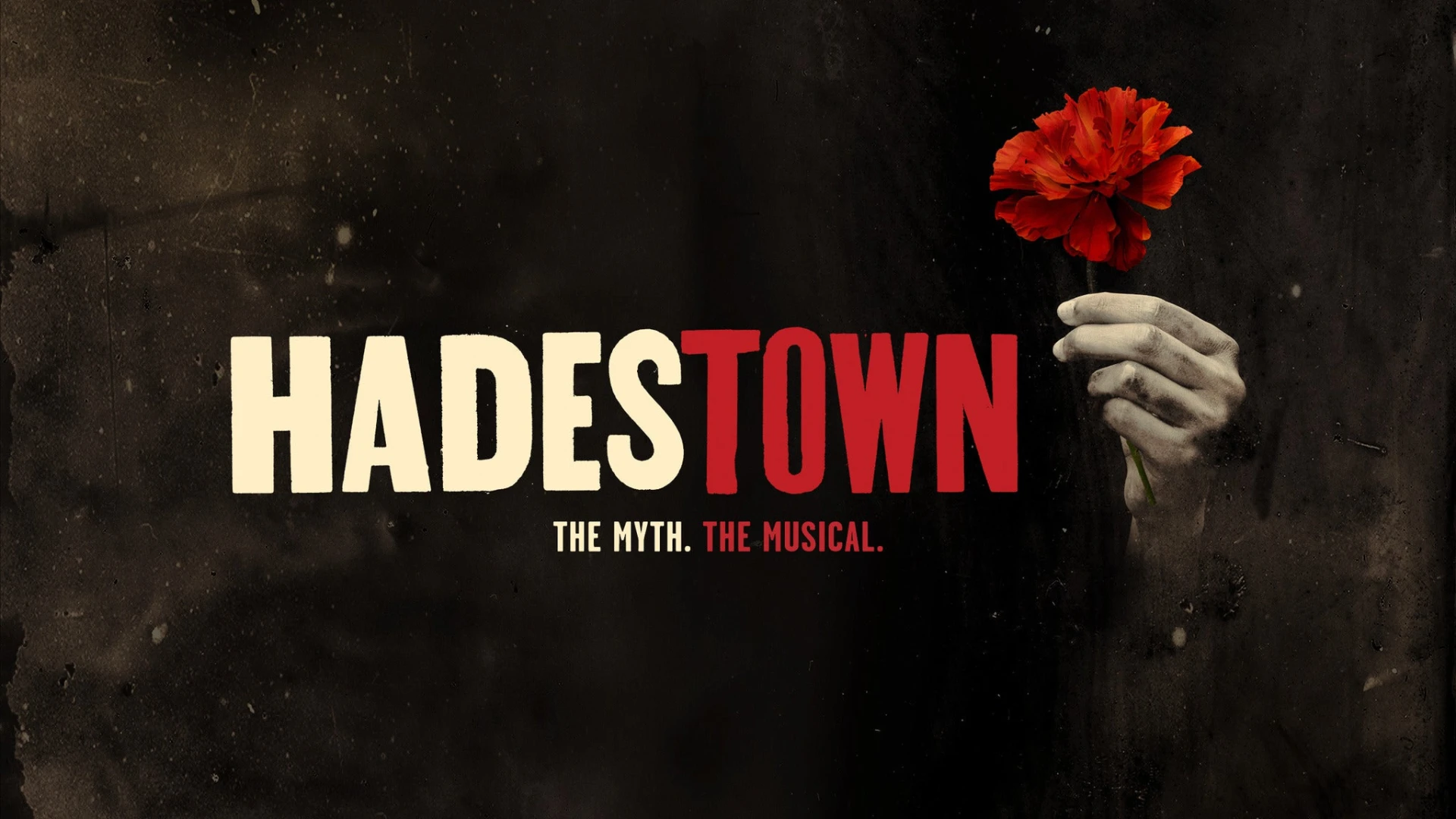
For productions clustered around Shaftesbury Avenue, the Strand or the northern edge of Covent Garden itself, the Covent Garden area is the natural base for a day built around the show. Shows like Hamilton at the Victoria Palace Theatre and Hadestown at the Lyric Theatre Shaftesbury Avenue sit at the centre of this district, and the area offers a full day's worth of activity without requiring travel to other parts of the city.
Covent Garden Market and the surrounding streets provide shopping, street performance, cafes and restaurants that make the area a natural gathering point before an evening performance. The London Transport Museum on the eastern edge of the Piazza has a programme that appeals to a wider audience than its name might suggest, and the permanent collection, which traces the history of public transport in London, is engagingly presented and often less crowded than the major national museums.
Somerset House, a short walk from the main Theatreland district, provides gallery exhibitions and events throughout the year. The courtyard and the riverside Terrace bar offer a different atmosphere from the busier streets of Covent Garden and provide a quieter pre-theatre option. The Victoria Embankment and the Thames riverside walk are easily accessible from the Strand and provide a route between attractions that keeps the river in view.
For audience members attending matinee performances, which typically begin between 2.30pm and 3pm, the morning is available for museum visits before the show. The South Kensington museum quarter contains three of the most significant museums in Britain within a few minutes' walk of each other: the Victoria and Albert Museum, the Natural History Museum and the Science Museum are all free to enter and collectively represent a full morning's activity.
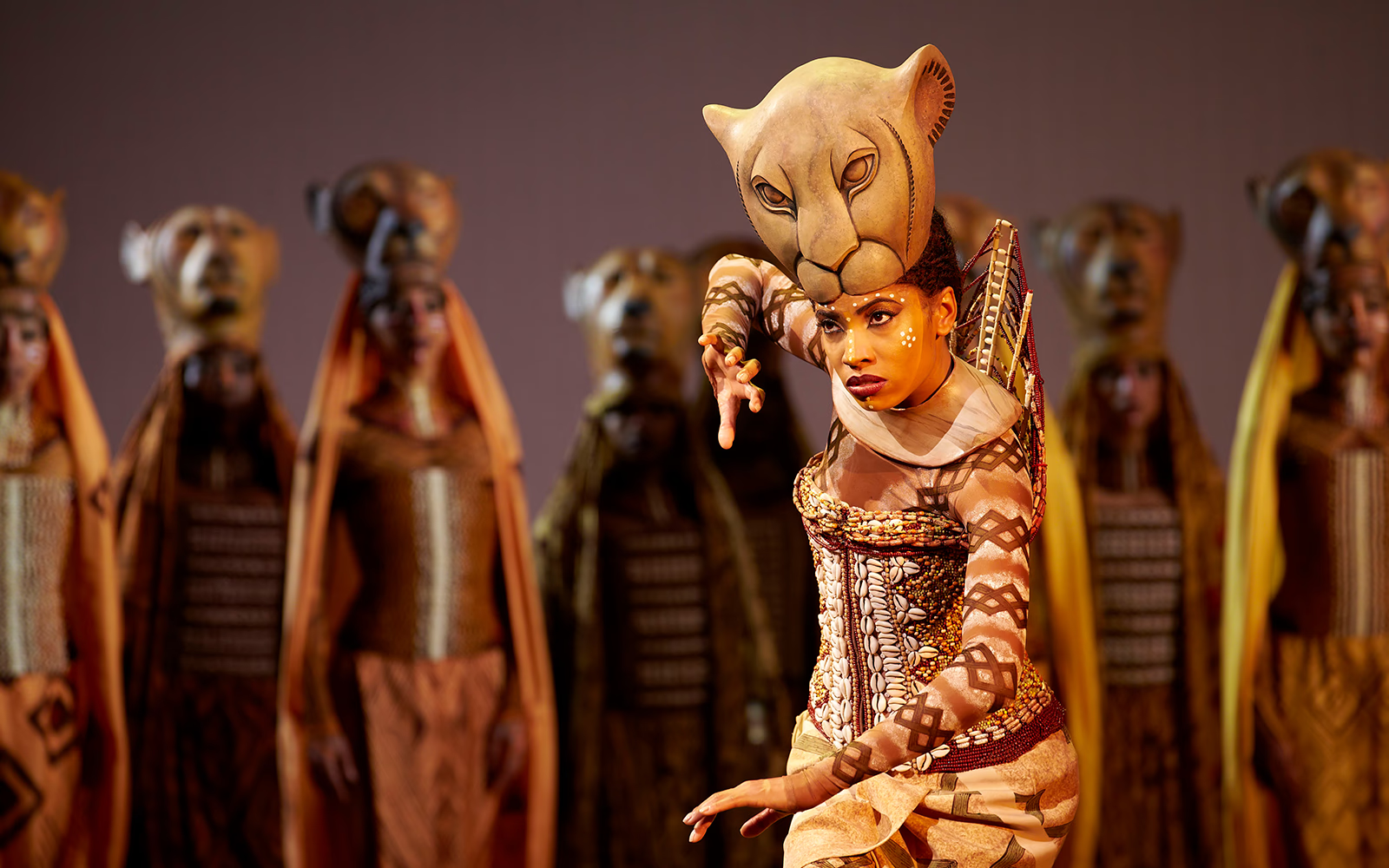
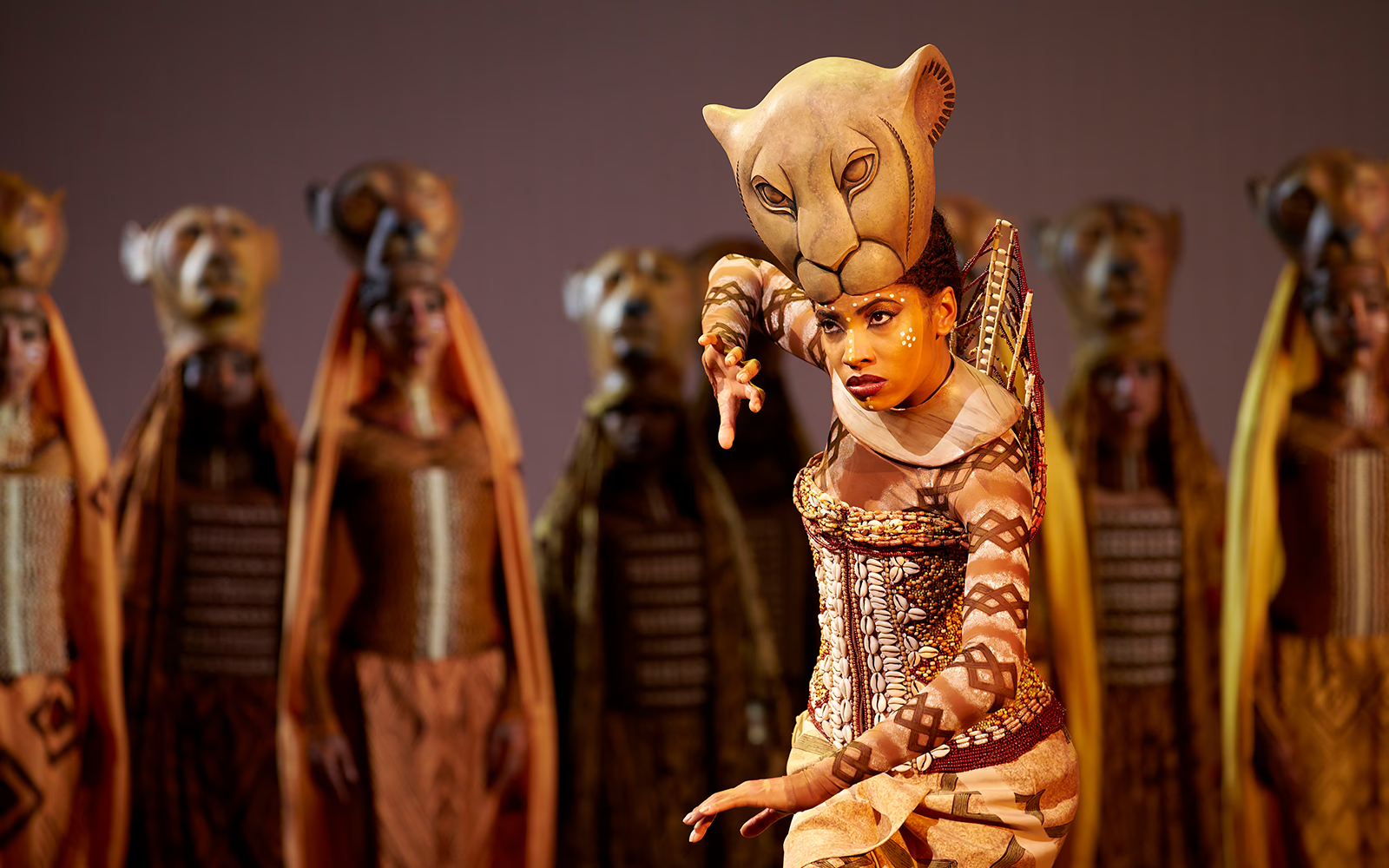
The Lion King at the Lyceum Theatre and Wicked at the Apollo Victoria Theatre are both accessible from Victoria by Underground (District and Circle lines to South Kensington), making a morning in the museums and an afternoon matinee a practical combination that suits families with children well. The Natural History Museum in particular draws younger visitors, and pairing it with a family-friendly theatrical production creates a day structured around the interests of different ages in the group.
For audiences whose production is in the evening, the museums offer an afternoon option that leaves time for dinner in the area before heading to the theatre. The South Kensington and Knightsbridge areas have a range of restaurants at different price points, and booking ahead for pre-theatre dinner in this part of the city is advisable given the density of visitors.
The question of where to eat before a show is partly a function of where the show is. The main clusters of pre-theatre restaurants follow the geography of the theatre districts: Covent Garden and Soho for shows in the Shaftesbury Avenue area, the Strand and around Charing Cross for theatres closer to that end of the circuit, and the South Bank for National Theatre productions.
For Les Misérables at the Sondheim Theatre and other shows in the Queen's Theatre and Shaftesbury Avenue cluster, Soho provides an enormous range of pre-theatre dining options within a ten-minute walk. The concentration of restaurants in and around Old Compton Street and Wardour Street is among the densest in London, covering cuisines from around the world at most price points.
The general principle of pre-theatre dining is to book in advance rather than arriving in search of a table, particularly for Saturday evening performances when competition for tables is at its highest. Many restaurants in Theatreland offer pre-theatre menus with two or three courses at a set price between 5pm and 7pm, and these represent significantly better value than ordering from the full menu later in the evening.
The practical frame for combining theatre with London attractions is the performance time. For evening performances, which typically begin at 7.30pm, the rest of the day is available. A morning museum visit, an afternoon of sightseeing in the relevant area and a pre-theatre dinner from around 6pm leaves a comfortable margin before the curtain goes up.
For matinee performances, the morning is the main available window, which suits a briefer but focused cultural activity rather than a full-day programme. Evening shows that run until 10pm or later leave the following morning as the natural time for any further sightseeing, which is a consideration for visitors staying overnight in the city.
Transport between London's main cultural areas is straightforward by Underground: the South Bank is reached from Waterloo or Southwark, Covent Garden has its own station on the Piccadilly line, and the South Kensington museum cluster is served by the District, Circle and Piccadilly lines. Allowing twenty minutes for Underground journeys in central London provides a reliable buffer that avoids the risk of arriving late for a performance.
For tickets to West End productions featured in this guide and across the full London programme, tickadoo provides seat maps, pricing and real-time availability. For the complete current programme across all London theatre venues, BritishTheatre.com lists all productions with full booking details. tickadoo also offers theatre gift vouchers for occasions where booking flexibility is more useful than a pre-selected production.
What London attractions are near the West End theatres? The main West End theatre district is within walking distance of Covent Garden, Somerset House and the Thames Embankment. Theatres on the South Bank, including the National Theatre, are adjacent to the Tate Modern, Royal Festival Hall and other South Bank cultural institutions.
How do I combine a museum visit with a West End show? For evening performances, a full morning and afternoon museum visit is practical before heading to the theatre. The South Kensington museums (Victoria and Albert, Natural History, Science) work well alongside matinees at nearby venues, and the South Bank institutions pair naturally with National Theatre productions.
What is the best area for pre-theatre dining in London? The Soho and Covent Garden areas offer the widest range of pre-theatre dining for shows in the Shaftesbury Avenue district. Many restaurants offer set pre-theatre menus between 5pm and 7pm at reduced prices. Booking in advance is advisable for Saturday evenings and other peak times.
Can I combine theatre with sightseeing for a family day out? Yes. For families, pairing a morning at the Natural History Museum or a South Bank walk with a matinee of a family production like The Lion King works well as a full-day programme. Both activities are served by good Underground connections from central London.
Stay in the spotlight
Get the latest theatre news, reviews and exclusive offers straight to your inbox.