A heated conversation about theatre etiquette has erupted across social media and the airwaves after acclaimed actress Lesley Manville described the practice of audience members photographing curtain calls as "insulting." The comments, made during an appearance on BBC Radio 4, have divided theatregoers, performers, and industry professionals alike, touching on questions of money, marketing, and what it truly means to experience live performance.
What Did Lesley Manville Say?
Manville, currently starring in the National Theatre's sprawling production of Les Liaisons Dangereuses, made her feelings clear during a Radio 4 interview. "We are all in this room, we are telling you a story, you're listening," she said. "Clap or don't clap, but don't just stick your phone in our face. I find it insulting."
Her comments followed an unusual pre-show announcement at the National Theatre performance, which explicitly asked the audience to refrain from taking photographs not only during the show, but also during the curtain call. That request raised eyebrows even before Manville elaborated on her stance. For many regular theatregoers, snapping a photo of the bows has become a near-automatic part of the experience, a quick memento before the house lights come up and reality floods back in.
The Case for Putting the Phone Away
Manville's position is not without merit. After pouring emotional and physical energy into a demanding three-hour performance, stepping forward to take a bow only to face a wall of glowing phone screens rather than applauding faces must feel alienating. There is a powerful argument that the curtain call is the final act of a shared, communal experience, and that reducing it to a photo opportunity chips away at the magic of what makes live theatre unique.
Theatre, by its nature, is ephemeral. Each performance is unrepeatable. The grainy, shaky phone footage that audiences capture rarely does justice to the moment, and the act of filming can take the viewer out of the experience entirely. Instead of celebrating the performers with their full attention, audience members find themselves framing shots, adjusting angles, and worrying about storage space. The spontaneous joy of a standing ovation loses something when it is mediated through a screen.
Journalist and writer Kate Maltby offered a nuanced counterpoint during a discussion on BBC Front Row, noting that for shorter audience members, holding a phone aloft is sometimes the only way to actually see the performers on stage during a standing ovation. It is a practical reality that underscores how complex this seemingly simple question actually is.
The Case for Curtain Call Photos
On the other side of the debate, a vocal contingent of theatregoers has pointed out that tickets, especially in the West End, are not cheap. With top-tier seats at major London productions frequently costing well over £100, audiences understandably feel that a quick photograph of the curtain call is a small and reasonable keepsake. For many people, a trip to the theatre is a special occasion, and a photo is a way to mark and remember it.
There is also the question of who benefits from curtain call imagery. Not every performer has the luxury of a career filled with glossy production photographs. For ensemble members, understudies, and swing performers, a few audience-captured images from the bows might be the only visual record of their work in a particular production. Those photos can become cherished additions to a portfolio, or simply a personal reminder of a special night.
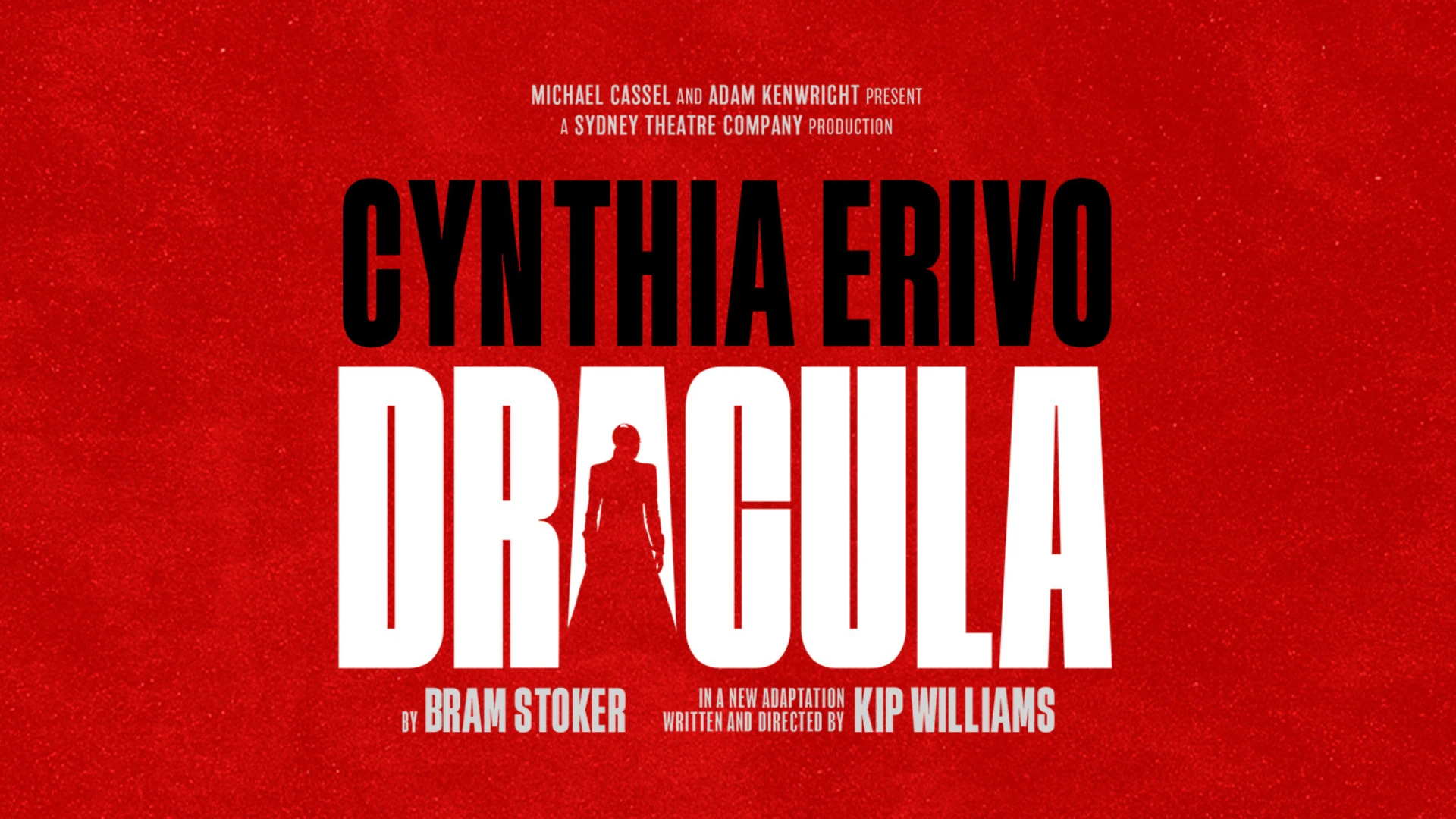
Beyond individual performers, curtain call images can celebrate the artistry of others involved in a production. Costume designers see their work displayed in full under the lights. In productions like the recent staging of Dracula starring Cynthia Erivo, curtain calls have given camera operators and specialist technicians their own moment in the spotlight, a recognition of collaborative craft that might otherwise go unseen by the public.
When Shows Lean In (or Opt Out)
The reality is that different productions take very different approaches. Six, the blockbuster pop musical at the Vaudeville Theatre, actively encourages audiences to get their phones out for the final number, with the cast telling the crowd "you're gonna wanna film this." The result? Thousands of user-generated clips that have helped turn the show into a social media phenomenon, introducing it to audiences who might never have heard of it otherwise.
Come Alive! The Greatest Showman Circus Spectacular and My Neighbour Totoro at the RSC took the opposite approach, requesting no photography during the bows. Those requests were widely respected. Totoro's magical final appearance was kept under wraps, preserving the surprise for future audiences. The West End production of Cabaret at the Kit Kat Club went further still, applying stickers over phone cameras to cultivate an atmosphere of mystique and exclusivity. It became part of the show's identity.
Paddington the Musical took yet another approach, inviting media to its first preview specifically to capture and share footage of the bows, understanding that those clips would generate excitement and help launch a brand new West End production.
The inconsistency across the industry highlights an important truth: there is no universal rule. It comes down to a production-by-production decision, shaped by branding, artistic vision, and commercial strategy.
The Marketing Paradox
Here is where the debate becomes particularly thorny. Many productions that discourage audience phone use will simultaneously pack their opening night curtain calls with professional photographers and videographers. The resulting images are pushed across social media platforms to generate buzz. Curtain call videos on platforms like TikTok can attract millions of views, delivering enormously valuable free marketing for shows.
Some musicals have even begun choreographing their curtain call sequences specifically to create shareable, visually dynamic content. The bows are no longer just a moment of gratitude between performer and audience; they have become a strategic marketing asset. Telling audiences they cannot film the very thing the production itself is filming for promotional purposes creates an understandable tension.
The question of social capital also looms large. In an era where Instagram stories and TikTok posts serve as markers of cultural participation, a curtain call photo from a premium seat can function as a subtle display of wealth and privilege. For some critics of the practice, this status-signalling aspect is what makes the phone-wielding feel so jarring. It transforms a moment of artistic communion into something more transactional.
Where Does This Leave Theatregoers?
Ultimately, neither side of this debate is entirely wrong. Lesley Manville speaks from a place of genuine passion for the art form, and her desire for audiences to be fully present in the moment resonates with anyone who has felt the electric connection of a truly engaged auditorium. At the same time, the landscape of live entertainment has shifted. Social media is not separate from the theatre experience for many people; it is an extension of it, a way of sharing enthusiasm and bringing new audiences through the doors.
The most practical solution, and the one that already seems to be emerging organically across the industry, is for individual productions to set clear expectations. If a show does not want phones out during the bows, a polite and firm announcement before the performance begins can work wonders. If a show welcomes it, saying so openly removes any awkwardness. What causes frustration on both sides is ambiguity.
For theatregoers attending shows in London and beyond, the simplest advice is this: pay attention to the announcements, respect the wishes of the production, and when in doubt, put the phone away. The memory of a truly great performance will outlast any blurry photo.
What This Means for the Wider Theatre Conversation
Manville's comments have opened up a discussion that extends well beyond curtain calls. Questions about audience behaviour, the role of technology in live spaces, and the balance between accessibility and reverence for the art form are only going to become more pressing as theatre continues to compete for attention in an increasingly digital world. The best productions will find ways to embrace both the communal magic of the live experience and the connective power of social media, rather than treating them as mutually exclusive.
If this debate has you thinking about your next trip to the theatre, browse our full list of London shows, explore the latest musicals and plays, or discover something new to see this season on our news and features page.
Susan Novak has a lifelong passion for theatre. With a degree in English, she brings a deep appreciation for storytelling and drama to her writing. She also loves reading and poetry. When not attending shows, Susan enjoys exploring new work and sharing her enthusiasm for the performing arts, aiming to inspire others to experience the magic of theatre.
Stay in the spotlight
Get the latest theatre news, reviews and exclusive offers straight to your inbox.