Stratford-upon-Avon is the home of the Royal Shakespeare Company and the birthplace of Shakespeare himself, which gives the town a theatrical significance unlike anywhere else in Britain. For theatre-goers based in or visiting London, a trip to Stratford offers something fundamentally different from the West End: productions of Shakespeare and classic drama by the company that has shaped the way those texts are performed in Britain, in buildings that were built specifically for that purpose. This guide covers the RSC's venues, the town, and the practicalities of visiting from London.
The Royal Shakespeare Company was founded in its modern form in 1961, though there had been theatre at Stratford associated with Shakespeare's works since the nineteenth century. The company operates as a producing house, generating its own productions rather than receiving touring shows, and its work combines the Shakespearean canon with other classic drama and occasional new writing. Productions from Stratford regularly transfer to London and elsewhere; the RSC's Aldwych season in London was a significant feature of British theatre for decades, and the company continues to bring work to the capital from time to time.
The RSC's reputation has been built by the directors, writers and performers who have worked with it over its history. Stratford is where careers in classical theatre are made in Britain, and the ensemble company model the RSC has maintained, in which actors commit to a full season of productions rather than a single show, distinguishes it from most of what happens in the West End.
The Royal Shakespeare Company operates three venues within the Stratford theatre complex, each with a distinct character.
The Royal Shakespeare Theatre is the main house. The current building opened in 2010 after a major reconstruction of the earlier 1932 theatre, and seats approximately 1,000 people around a thrust stage that projects into the auditorium. The audience sits on three sides of the playing area, which places spectators much closer to the action than a traditional proscenium theatre allows and creates a sense of involvement in the performance that is central to the company's approach. For large-scale Shakespeare, the RST is the primary venue.
The Swan Theatre is an Elizabethan-style galleried playhouse that opened in 1986, seating approximately 450 people on three levels around a thrust stage. Its intimate scale and timber-gallery aesthetic are intended to echo the kind of theatre in which Shakespeare's own company would have performed. The Swan is used for work that benefits from its closer, more immediate staging, including Jacobean and other early modern drama alongside Shakespeare.
The Other Place is the company's studio space, a flexible black-box theatre seating approximately 150 people that has been used for experimental and smaller-scale work throughout its history. Productions here tend to be the most adventurous in the RSC's programme, and the physical proximity to the performers is complete.
Stratford-upon-Avon is approximately one hundred miles from London, and the journey by public transport takes around two hours, depending on the route and service.
By train: The most practical rail route from London is from Marylebone station, operated by Chiltern Railways, with trains to Stratford-upon-Avon requiring a change at Leamington Spa or running direct depending on the service. Direct trains from Marylebone take approximately two hours; journey times with a change can be similar. The alternative route is from London Euston to Coventry and then a connecting train or bus; journey time is comparable.
Stratford-upon-Avon station is approximately fifteen to twenty minutes' walk from the theatre complex on Waterside, or a short taxi journey.
By car: The drive from London typically takes two to two and a half hours via the M40, depending on traffic. Stratford-upon-Avon has town-centre and park-and-ride car parking available.
By coach: National Express operates coach services from London Victoria Coach Station to Stratford-upon-Avon, with journey times of approximately two hours thirty minutes.
Stratford is a compact market town on the River Avon in Warwickshire. The Shakespeare connection is pervasive: the town contains Shakespeare's Birthplace on Henley Street, Anne Hathaway's Cottage at Shottery, Hall's Croft and other properties associated with Shakespeare and his family, all managed by the Shakespeare Birthplace Trust. For theatre-goers, a day trip to Stratford can combine an RSC performance with time spent in the town and these historic properties.
The riverside area around the theatre complex is pleasant to walk, with views over the Avon and access to the theatre's own public areas. Stratford has a good range of restaurants and cafes within walking distance of the RST, and pre-theatre dining in the town is straightforward to arrange.
The RSC operates a season-based programme that runs across the year, with periods of intensive production at Stratford and periods when the company is working elsewhere or preparing new work. The exact season schedule changes year to year.
Booking well in advance is essential for popular productions and popular performance dates. The RSC's core Shakespeare productions, particularly those featuring well-known performers, can sell out months in advance. Checking the RSC's own website for availability is the recommended first step when planning a visit.
For those combining a visit to Stratford with a West End trip, the two make natural companions. The RSC's Shakespeare productions offer a contrasting experience to London's commercial musical theatre programme, and many theatre-goers find that seeing both in close proximity enriches the experience of each.
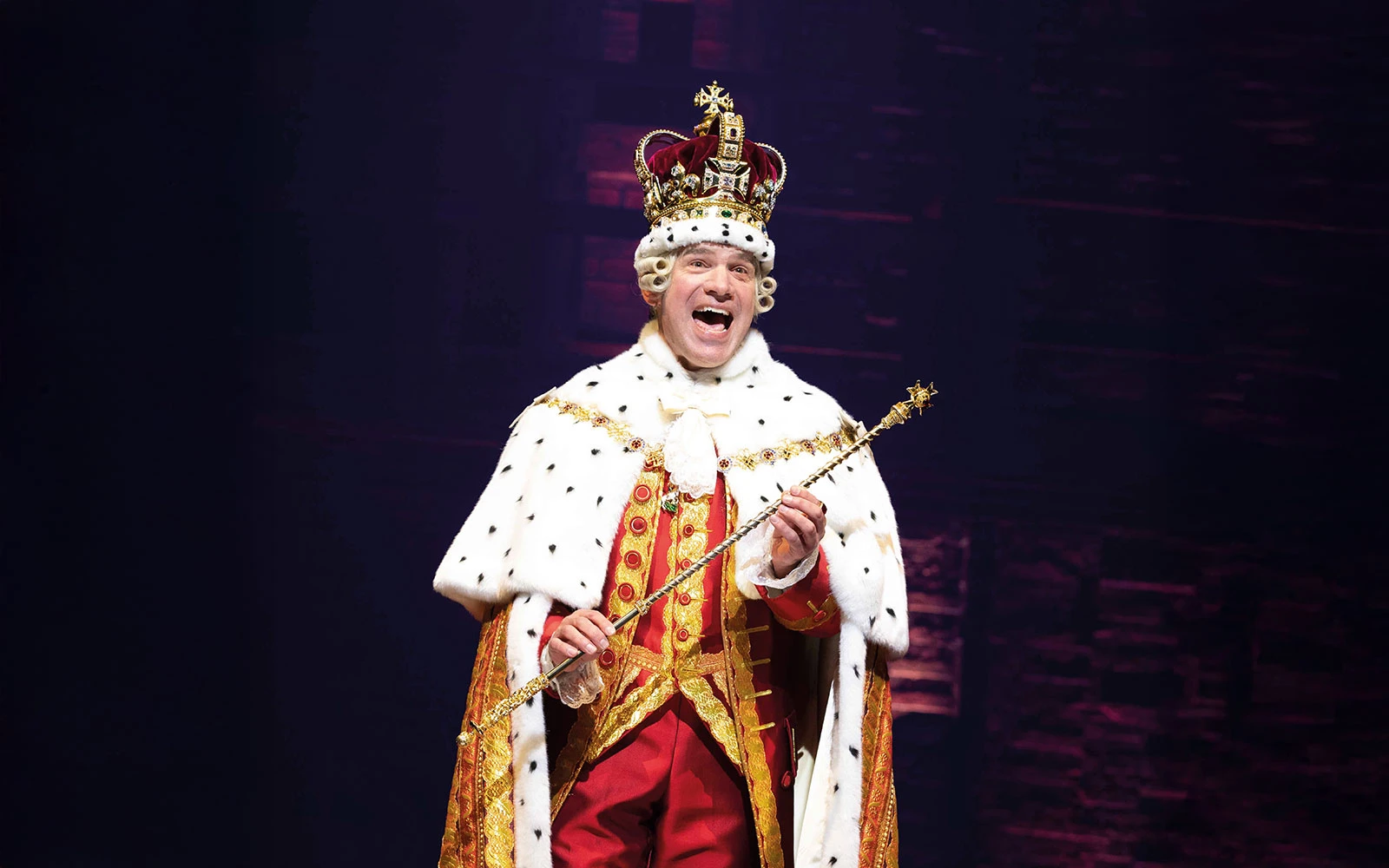
Shows like Hamilton at the Victoria Palace Theatre and Les Misérables at the Sondheim Theatre represent the West End's large-scale producing ambition in the musical theatre tradition; the RSC offers its equivalent in the classical drama tradition. Both are worth experiencing as part of a broader picture of what British theatre does.
For West End tickets, tickadoo covers availability across all London productions. For planning a theatre trip that includes both London and Stratford, BritishTheatre.com has guides to shows and venues across Britain.
How do I get to Stratford-upon-Avon from London? The most practical rail route is from London Marylebone via Chiltern Railways, with a journey time of approximately two hours. Driving via the M40 typically takes two to two and a half hours depending on traffic.
What are the RSC's theatres in Stratford? The RSC operates three venues: the Royal Shakespeare Theatre (main house, approximately 1,000 seats, thrust stage), the Swan Theatre (approximately 450 seats, Elizabethan galleried playhouse) and The Other Place (approximately 150-seat studio space).
How far in advance should I book RSC tickets? For popular productions, booking several months in advance is advisable. The RSC's productions, especially those featuring well-known performers or popular Shakespeare plays, can sell out well ahead of performance dates. Check the RSC's own website directly for availability.
Can I combine a Stratford visit with a West End trip? Yes. The two are complementary: Stratford offers classical drama in purpose-built spaces, while the West End covers a much broader range of productions. Many theatre-goers make a combined trip over two or three days. tickadoo handles West End tickets.
Is there more to do in Stratford than the theatre? Yes. The Shakespeare Birthplace Trust manages several properties in and around the town associated with Shakespeare and his family, including Shakespeare's Birthplace, Anne Hathaway's Cottage and several others. The town centre and riverside are pleasant to walk, and the surrounding Warwickshire countryside is accessible by car.
Stay in the spotlight
Get the latest theatre news, reviews and exclusive offers straight to your inbox.