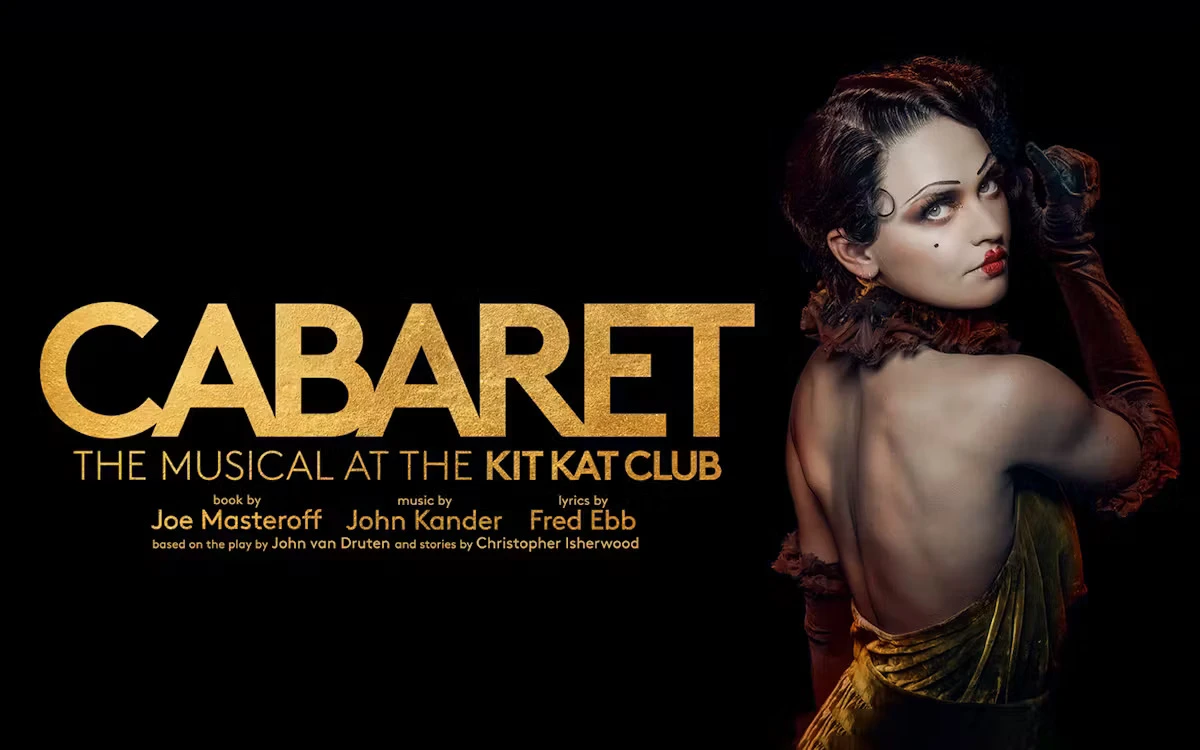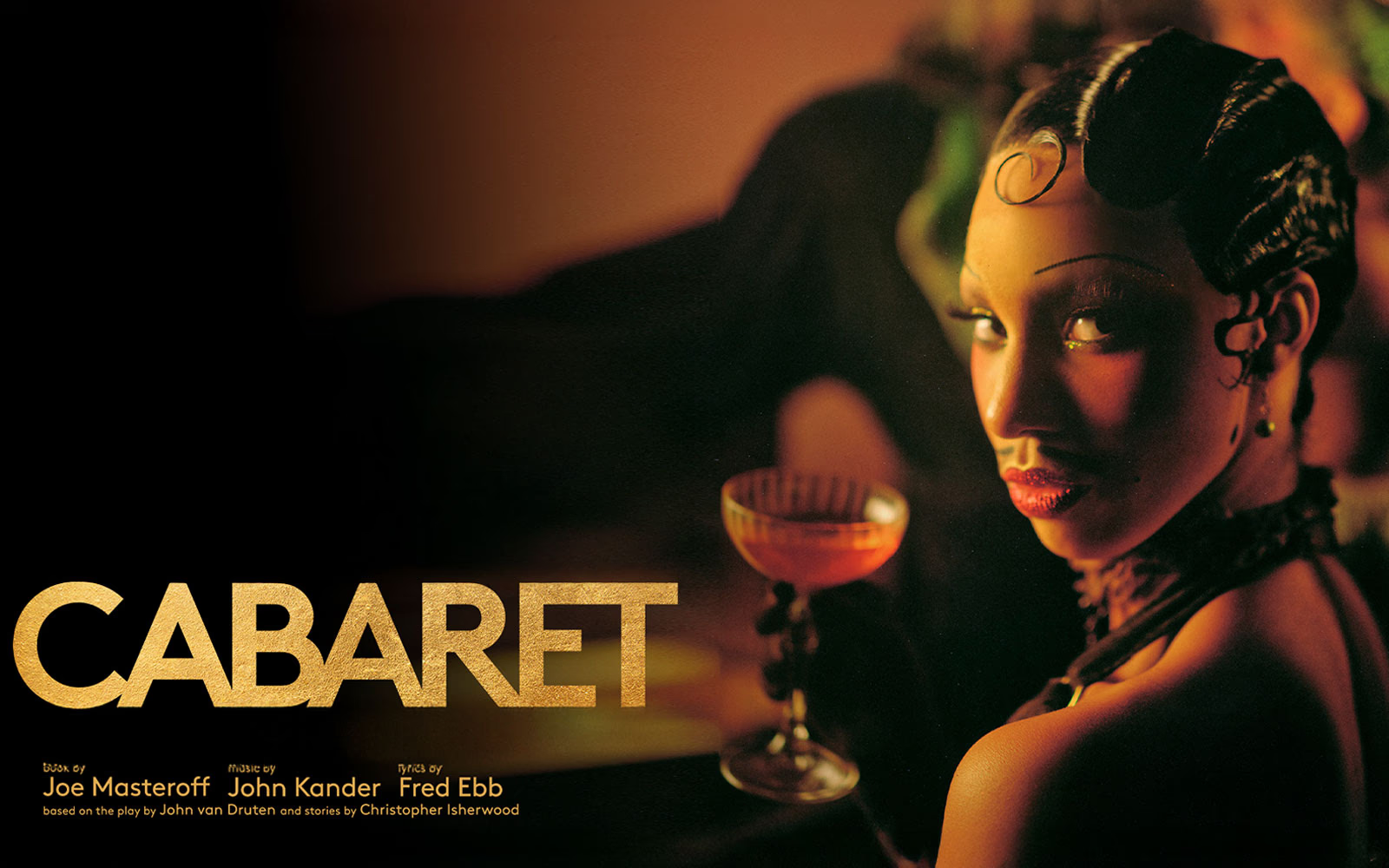
Cabaret at the Kit Kat Club is one of the most distinctive productions in the current West End programme and one of the most discussed theatrical experiences in London. The production places the audience inside a version of the Berlin nightclub that forms the setting of the show, dissolving the boundary between performance and environment in a way that transforms the relationship between the audience and the material. This guide covers the show's origins, the story, the immersive staging and what visitors need to know before they arrive, including how to choose seats and what to expect from the experience.
Cabaret is a musical with a book by Joe Masteroff, music by John Kander and lyrics by Fred Ebb. It opened on Broadway in 1966 and is based on Christopher Isherwood's semi-autobiographical Berlin stories and the play I Am a Camera, which drew on those stories. The show is set in Weimar-era Berlin in the early 1930s, as the Nazi Party is rising to power and the decadent culture of the city's nightlife is about to be extinguished. The central venue of the story is the Kit Kat Klub, a seedy cabaret in which the emcee presides over a programme of entertainment that grows increasingly desperate and symbolic as the political situation deteriorates.
The original Broadway production was directed by Harold Prince and choreographed by Ron Field, and its 1972 film adaptation, directed by Bob Fosse and starring Liza Minnelli and Joel Grey, became one of the most celebrated film musicals of the twentieth century. The show has been revived numerous times in both New York and London, with each major production bringing a distinct directorial perspective to the material.
The current production is directed by Rebecca Frecknall and represents a significant departure from conventional staging. Rather than presenting Cabaret as a show performed on a stage in front of an audience, Frecknall's production places the audience inside the environment of the Kit Kat Club itself.
Cabaret follows two main narrative threads that intersect and comment on each other. The principal story concerns Cliff Bradshaw, an American writer who arrives in Berlin and becomes romantically involved with Sally Bowles, an English cabaret performer at the Kit Kat Klub. Sally is vivacious and self-destructive, committed to the pleasures of the present and unwilling to acknowledge the darkening political reality around her. Cliff is more aware, and his growing unease as Germany moves toward dictatorship is the emotional perspective through which the audience watches events unfold.
The secondary story concerns two older characters: Fräulein Schneider, the landlady of the boarding house where Cliff stays, and Herr Schultz, a Jewish fruit seller who falls in love with her. Their relationship, and Fräulein Schneider's painful decision about it as antisemitism intensifies, provides the show with much of its emotional weight.
Throughout both stories, the Emcee serves as a narrator and commentator, appearing in the cabaret numbers and using performance to reflect, comment on and ultimately embody the show's themes. The Emcee is the show's most theatrically complex role: simultaneously the host of the entertainment, the spirit of the nightclub and the representative of everything that is about to be destroyed.
The show's ending does not provide reassurance. It is among the most unsparing conclusions in the musical theatre canon, refusing the comfort of resolution and making explicit what the preceding entertainment has implied throughout.
The defining feature of this production is its treatment of the performance space. The venue has been converted from its conventional theatre configuration into a version of the Kit Kat Club, with audience members seated at small tables, in tiered seating areas, along the edges of the performance space and in configurations that place them in the midst of the action rather than in front of it. The performance area is not a fixed stage with a clear front: it is the space of the nightclub, which extends around and among the audience.
This means that arriving at the Kit Kat Club is itself part of the experience. Audience members do not arrive at a theatre, find their seats and wait for a show to begin: they arrive at a nightclub environment that is already active, with performers in character among the audience before the performance formally begins. The atmosphere is immersive from the moment of entry, and the material that follows the formal start has been experienced in the context of having already been inside the world of the show.
The staging choice is not purely aesthetic: it serves the show's thematic purposes. A production that asks the audience to consider how entertainment functions as a distraction from political reality gains specific force when the audience has been participating in that entertainment from the moment they arrived.
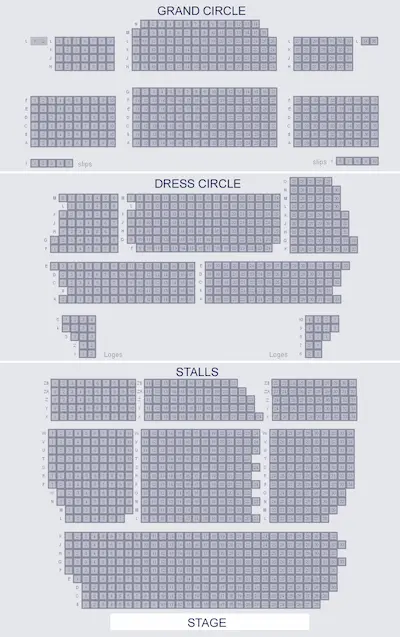
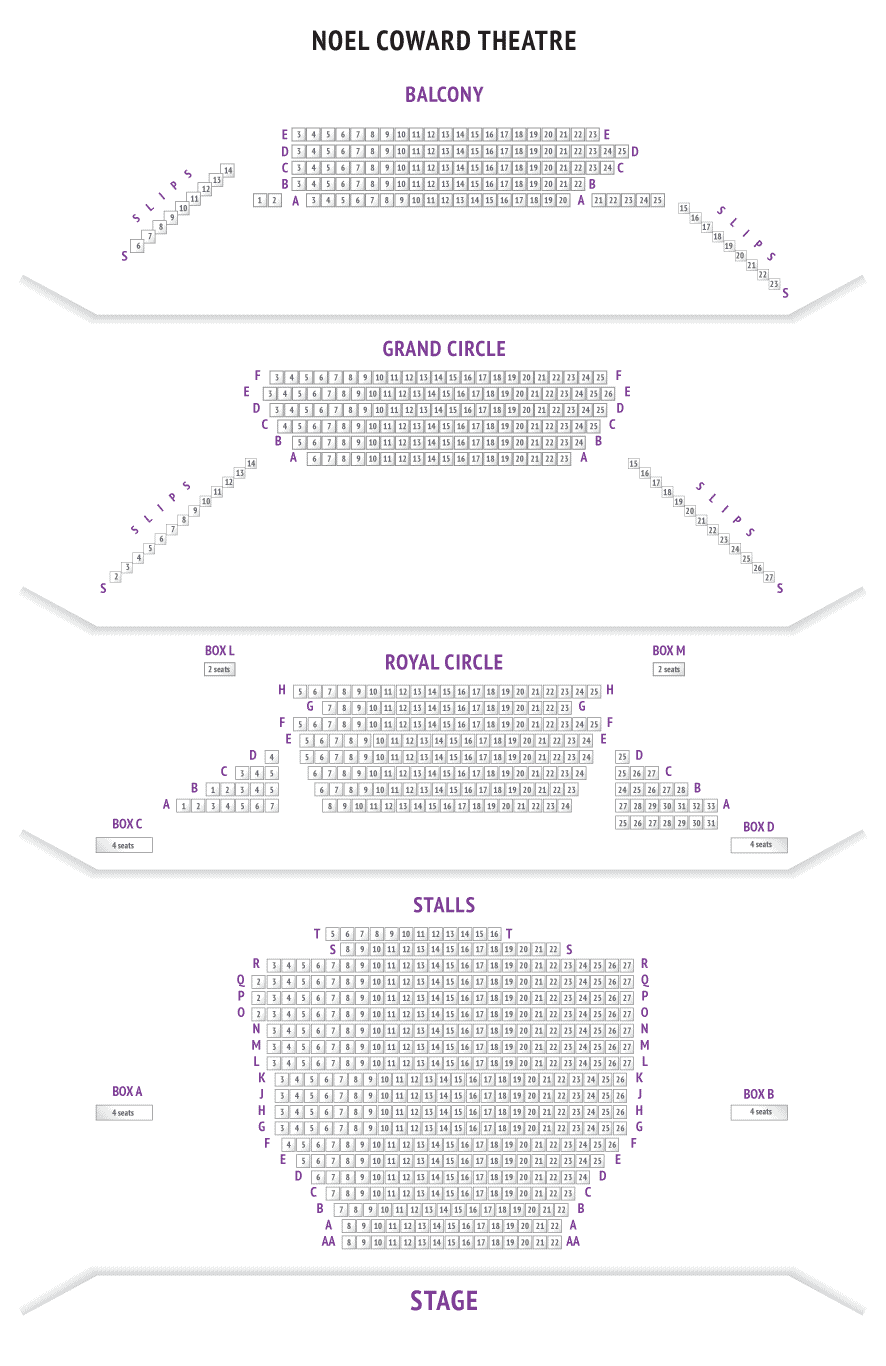
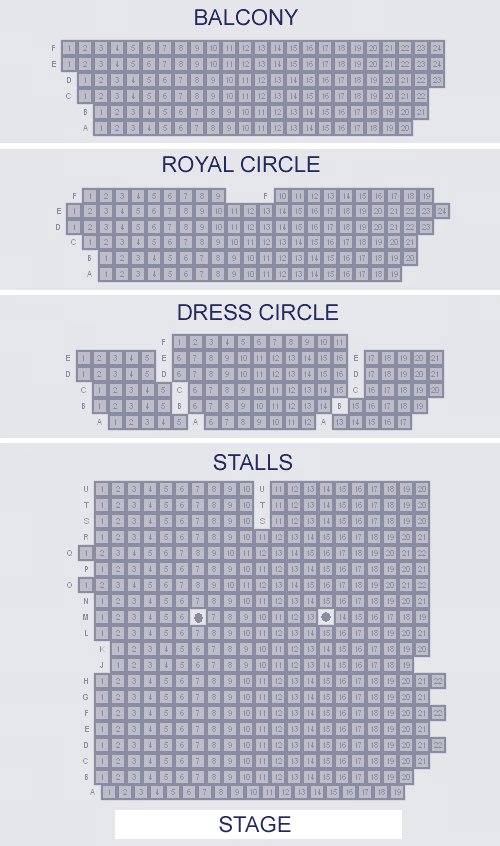
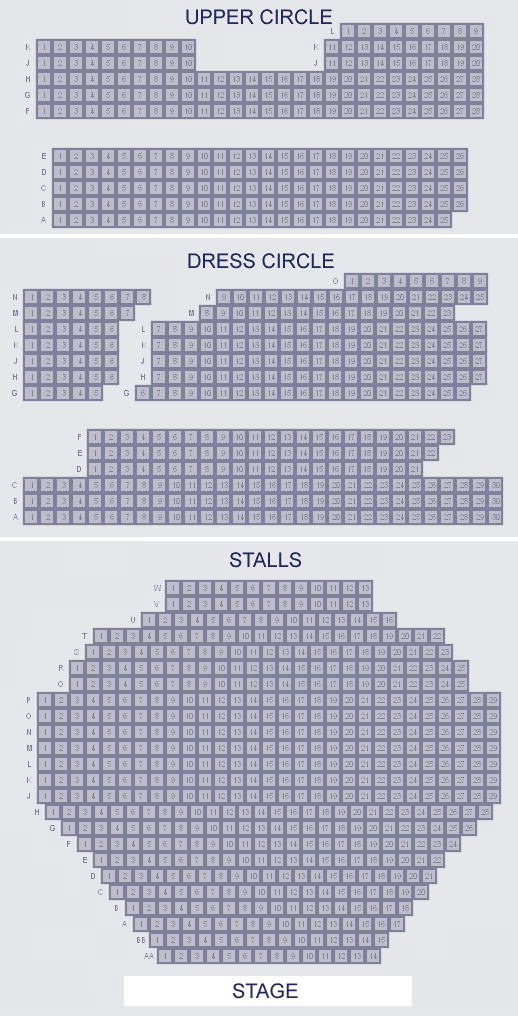
Different seating positions within the Club offer different relationships to the performance. Those seated at tables on the floor of the club are in the most immediate proximity to the action, with performers moving around and among them. Those in the raised areas have a more conventional elevated view but remain within the environment rather than separated from it by a formal stage boundary. Reviewing the seating categories available before booking is important, as the choice of position significantly affects the character of the experience.
The Kander and Ebb score for Cabaret is among the most carefully constructed in the musical theatre canon. Songs function differently depending on who is performing them, when they appear in the narrative and what the political context has become by the time they are heard. "Cabaret," the title number, is Sally's defiant commitment to living entirely for pleasure, and its appeal shifts from charming to disturbing as the show progresses and it becomes clear what she is choosing to ignore. "Tomorrow Belongs to Me," the chilling nationalistic song, is among the most unsettling sequences in any major musical and demonstrates the score's capacity to make ideology audible in musical form.
The Emcee's numbers function as theatrical commentary on the action, using musical performance to articulate what the show's characters cannot or will not say directly. Their effect in the immersive staging is heightened by the context: the Emcee's performance numbers are the entertainment of the Kit Kat Club, which the audience is attending.
Audience members for the Kit Kat Club production are encouraged to arrive early to take advantage of the pre-show atmosphere. The club environment is active before the formal start, and arriving early allows time to settle into the space, order from the bar and experience the atmosphere without rushing to find your position.
The nature of the immersive staging means that the dress code is more relaxed and the social context more informal than a conventional West End production. Audience members who want to dress up for the occasion will find the nightclub atmosphere accommodating; those who prefer to dress casually will be equally at home.
Some physical elements of the staging may be unexpected for audiences with no prior knowledge of the production's format. The space is not laid out in conventional theatre rows, and the action can take place close to and around audience members. For audiences with limited mobility or who require specific seating arrangements, contacting the venue in advance is advisable.
For tickets to Cabaret at the Kit Kat Club, tickadoo provides full seat category availability with descriptions of each position. Given the significance of seating choice to the character of the experience in this production, reviewing the different category options carefully before booking is recommended. For the full West End programme, BritishTheatre.com provides complete listings, and tickadoo also offers theatre gift vouchers.
What is Cabaret at the Kit Kat Club? Cabaret at the Kit Kat Club is a West End production of the Kander and Ebb musical, staged in an immersive format in which the audience occupies a version of the Kit Kat Club nightclub setting of the show. It is directed by Rebecca Frecknall and has been one of the most acclaimed productions in London in recent years.
What is Cabaret the musical about? Cabaret is set in Weimar Berlin in the early 1930s and follows Sally Bowles, an English cabaret performer, and Cliff Bradshaw, an American writer, against the backdrop of the Nazi Party's rise to power. The show uses the entertainment of the Kit Kat Klub as a framework for exploring how society is complicit in its own destruction.
Is Cabaret suitable for children? Cabaret is not a production for younger children. The show contains adult themes including sexuality, substance use, political violence and the Holocaust. It is generally recommended for audiences aged fourteen and above, and parents should consider the content carefully before bringing younger teenagers.
What is the immersive staging of Cabaret at the Kit Kat Club? The venue has been converted into a version of the Kit Kat Club from the show, with audience members seated at tables and in tiered positions within the nightclub environment rather than in conventional theatre seating in front of a stage. Performers move through the space, and the show begins before the formal start with pre-show activity in the club.
How long is Cabaret at the Kit Kat Club? The show runs for approximately two and a half hours, including one interval. Arriving early to experience the pre-show atmosphere is recommended.
Which seats are best at the Kit Kat Club? Different seating positions offer materially different experiences. Floor-level tables place the audience in the most immediate proximity to the performers; raised seating areas offer a more elevated perspective while remaining within the club environment. Reviewing the available seating categories before booking will help in choosing the position that suits your preferences.
Stay in the spotlight
Get the latest theatre news, reviews and exclusive offers straight to your inbox.