It is one of the most fascinating turnaround stories in recent musical theatre history. Amélie the Musical, based on the beloved 2001 French film, was unceremoniously dismissed on Broadway in 2017 before finding a passionate new life on British stages. How did a show that closed without a single Tony nomination become a critically adored production that earned Olivier Award recognition? The answer lies in a combination of creative reinvention, inspired casting, and a fundamental reimagining of how the show's music should sound.
The Rocky Road to Broadway
The musical adaptation of Amélie first appeared on stage in 2015, with a world premiere at the Berkeley Repertory Theatre in California. The show featured music by Daniel Messé, lyrics by Nathan Tysen and Messé, and a book by Craig Lucas. The initial reception was cautiously optimistic, with critics noting the potential in the material even if the execution wasn't quite there yet.
Samantha Barks, who had already built a devoted following through her screen and stage work (including her turn as Eponine in Les Misérables), originated the role of Amélie Poulain. Barks spoke openly about how she identified with the character: a dreamer from a small place who yearns for something bigger. Having left the Isle of Man as a teenager to chase her acting ambitions in London, she brought genuine emotional depth to the role. It was a performance that helped establish the show's potential, even if the production itself still needed refining.
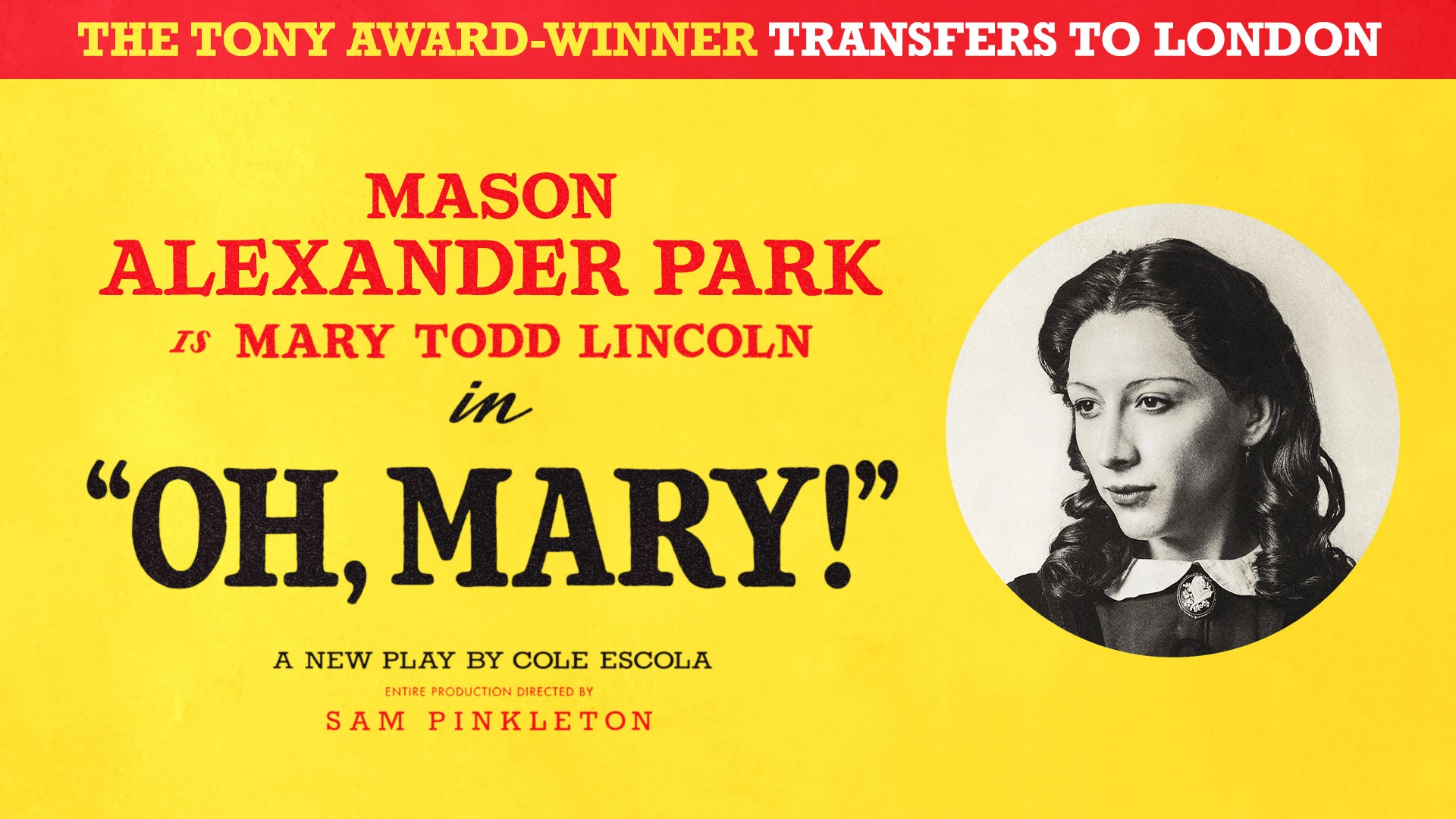
Tony Award winner Pam MacKinnon directed the Berkeley premiere, making her musical theatre debut after a career defined by serious dramatic works, including productions of Edward Albee plays and the Pulitzer Prize-winning Clybourne Park. Choreographer Sam Pinkleton, who has since gone on to stage the hit comedy Oh, Mary!, brought his distinctive flair for eccentric physicality to the production.
Phillipa Soo and the Move to Broadway
The following year, Tony Award nominee Phillipa Soo took over the title role for a run at the Ahmanson Theatre in Los Angeles. Soo was one of the hottest names in musical theatre at the time, having originated the role of Eliza Hamilton in Lin-Manuel Miranda's era-defining Hamilton. Her involvement brought significant star power and enough commercial momentum to propel the show to a Broadway opening.
With the move to New York came creative adjustments aimed at broadening the show's appeal. The music was adapted to feel more commercially accessible. A slick "pop version" of the standout number "Times Are Hard for Dreamers" was released as a single. The Broadway cast recording, while polished and professionally executed, smoothed away much of the quirky, handmade charm that had defined the original material. Montmartre, the beating heart of the story, felt distant and abstract rather than warmly present.
Broadway critics were unforgiving. Reviews described the central characters as hollow, the songs as clunky, and the Parisian setting as barely perceptible. The show felt overstuffed in a way that robbed it of the delicate whimsy that made the original film so enchanting. Making matters worse, the 2016-2017 Broadway season was fiercely competitive. Up against powerhouses like Dear Evan Hansen, Come From Away, and Natasha, Pierre and the Great Comet of 1812, Amélie was brutally outmatched. When it received zero Tony nominations, the closing notice followed almost immediately. The show ran for just 56 performances.
A Fresh Start on British Stages
Despite Broadway's verdict, there remained a strong belief that the core material had real merit. Only two years after the New York closure, Amélie received its UK premiere in a production that approached the show from an entirely different angle. Rather than attempting to replicate what had come before, the British creative team started with a fundamentally new vision.
Director Michael Fentiman led the new production, joined by designer Madeleine Girling, choreographer Tom Jackson Greaves, and, crucially, a new musical team. Barnaby Race and musical director Samuel Wilson provided fresh orchestrations and arrangements that would prove transformative. Musical supervision and direction came from George Francis, while Elliot Griggs designed the lighting and Tom Marshall handled sound. All worked in close consultation with the original writers, but the result was unmistakably different from anything audiences had heard before.
The production premiered at the Watermill Theatre in Newbury, a venue renowned for its intimate, resourceful approach to musical theatre. As is the Watermill's signature style, this was an actor-musician production, meaning every performer played their own instruments on stage. This single creative decision proved vital to unlocking the show's true potential.
Why the Actor-Musician Approach Changed Everything
The actor-musician format stripped away the layers of orchestral polish that had distanced the Broadway production from its source material. Instead of a pit band creating a wall of sound, the performers themselves generated the music, making it feel organic, spontaneous, and deeply personal. Each cast member brought their own individual sound and instrumental personality to the production, creating a textured, handcrafted quality that perfectly mirrored Amélie's own quirky, homemade view of the world.
Where Broadway had tried to make Amélie bigger and more commercially slick, the UK production went in the opposite direction. It embraced intimacy, eccentricity, and warmth. The Watermill's small stage forced creative solutions that made the storytelling more inventive and the emotional beats more immediate. Suddenly, the songs that critics had called "clunky" felt charming and tender. The characters that had seemed "empty" became vibrant and full of heart.
The new orchestrations by Race and Wilson deserve particular credit. By reimagining how the score sounded, using the acoustic instruments played live by the cast, they restored the Gallic warmth and offbeat beauty that had always been lurking within Messé's compositions. The music finally sounded like it belonged in the cobblestoned streets of Montmartre rather than on a polished studio recording.
Audrey Brisson and the Journey to London
French-Canadian actress Audrey Brisson took on the title role for the UK premiere, and her performance proved to be a revelation. Brisson brought an authenticity and gentle charm to Amélie Poulain that felt entirely natural. Her French-Canadian heritage gave the character a genuine cultural grounding that connected audiences to the Parisian setting in a way the Broadway production had struggled to achieve.
The production transferred from Newbury and eventually made its way to London, where it played to enthusiastic audiences and critical acclaim. Brisson's performance earned her an Olivier Award nomination, a remarkable achievement for a show that had been written off as a failure just a couple of years earlier. The contrast with Broadway's reception could hardly have been more stark.
The UK production demonstrated something that theatre makers have long known but occasionally forget: that a show's success often depends less on the material itself and more on the choices made in bringing it to life. The same songs, the same characters, and the same story produced wildly different results when approached with different sensibilities.
What Made the Difference?
There are several theories as to why Amélie flourished in the UK after struggling in America. Some point to the casting, arguing that Brisson's connection to the material ran deeper than the star-driven approach taken on Broadway. Others credit the actor-musician format for restoring the show's soul. Still others suggest it was simply a matter of timing and context: British audiences, perhaps more familiar with and sympathetic to European storytelling, were more receptive to the show's gentle, whimsical tone.
The truth likely encompasses all of these factors. The UK creative team demonstrated a profound empathy for and understanding of what the show wanted to be. Rather than trying to force Amélie into the mould of a big, glossy Broadway musical, they let it be small, strange, and beautiful. They trusted the audience to lean in rather than trying to project outward. And audiences responded with genuine affection.
The story of Amélie the Musical serves as a powerful reminder that no show should be judged solely on the basis of a single production. A piece of theatre can live many lives, and sometimes it takes the right combination of artists, venue, and audience to reveal what was always there beneath the surface. For Amélie, that revelation happened to take place not in Berkeley or on Broadway, but in the intimate confines of a small theatre in Berkshire.
What This Means for Theatre Fans
The Amélie story offers encouragement for anyone who has ever fallen in love with a show that the wider world seemed to reject. It also highlights the extraordinary contribution that UK regional theatres like the Watermill make to musical theatre, often taking creative risks that larger commercial venues cannot afford. The actor-musician tradition, which has roots stretching back decades in British theatre, continues to produce some of the most inventive and emotionally resonant productions anywhere in the world.
For those inspired by stories of theatrical reinvention and the enduring power of great musical storytelling, there is always something remarkable playing on London's stages. Browse our full list of musicals currently running in London, or explore all upcoming shows to find your next unforgettable theatre experience.
Susan Novak has a lifelong passion for theatre. With a degree in English, she brings a deep appreciation for storytelling and drama to her writing. She also loves reading and poetry. When not attending shows, Susan enjoys exploring new work and sharing her enthusiasm for the performing arts, aiming to inspire others to experience the magic of theatre.
Stay in the spotlight
Get the latest theatre news, reviews and exclusive offers straight to your inbox.