Glasgow has a theatre culture that is among the most diverse and active in Britain outside London. The city supports a range of venues that together cover large-scale touring productions, producing houses with long histories of new writing and innovative staging, experimental arts spaces and the more traditional repertoire of variety and pantomime. For theatre audiences who want to explore what Britain produces outside the commercial West End, Glasgow is one of the most rewarding destinations.
The Theatre Royal on Hope Street is Glasgow's principal venue for large-scale touring productions and the largest theatre in Scotland. Opened in 1867 and substantially rebuilt in the late nineteenth century, it is the oldest theatre in the city and has operated continuously through periods of major change in the cultural life of both Glasgow and Scottish theatre. The building's Victorian interior, with its gilded auditorium and multiple levels, gives it a grandeur of atmosphere that suits the large-scale musicals and opera productions it most frequently hosts.
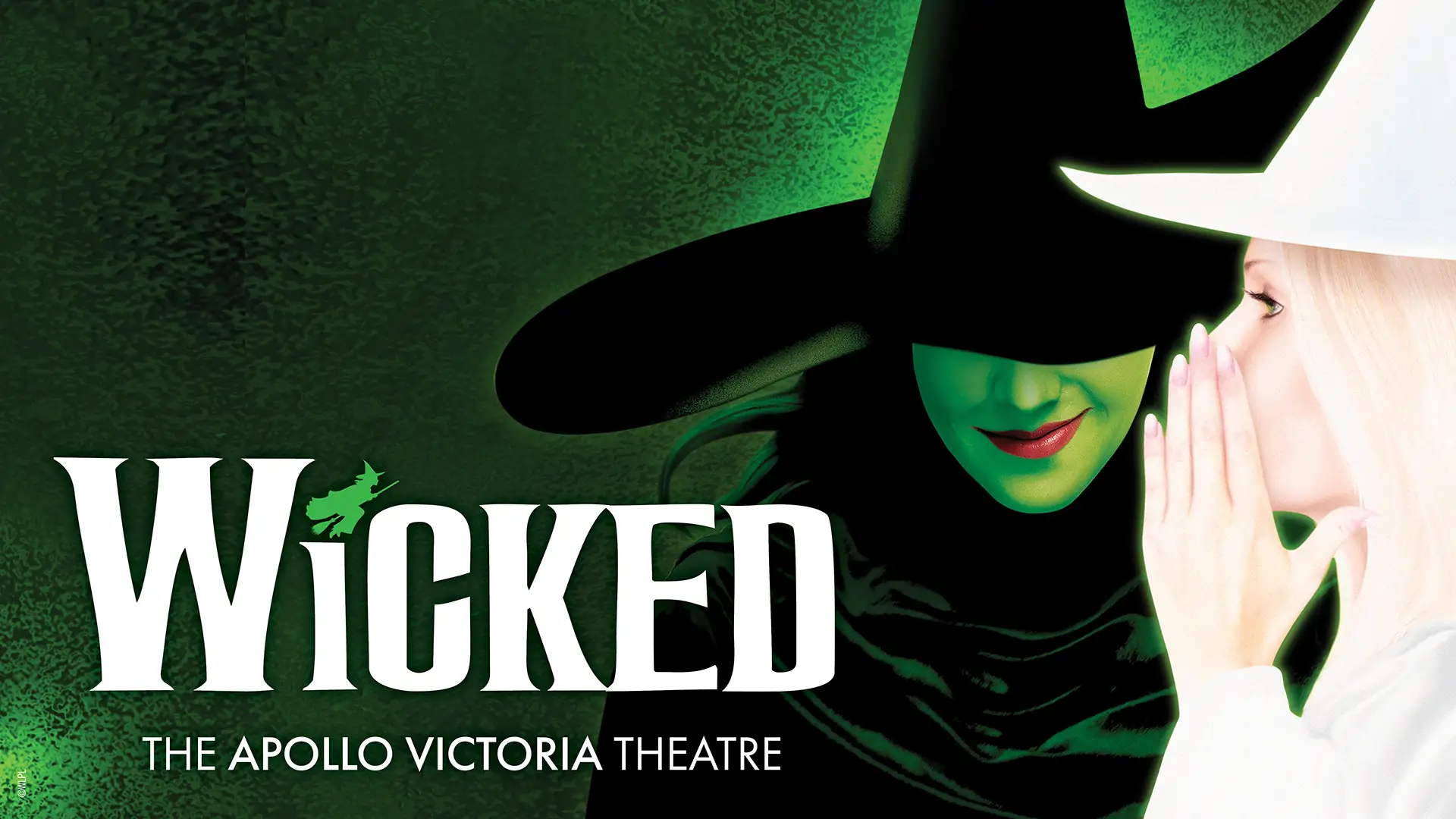
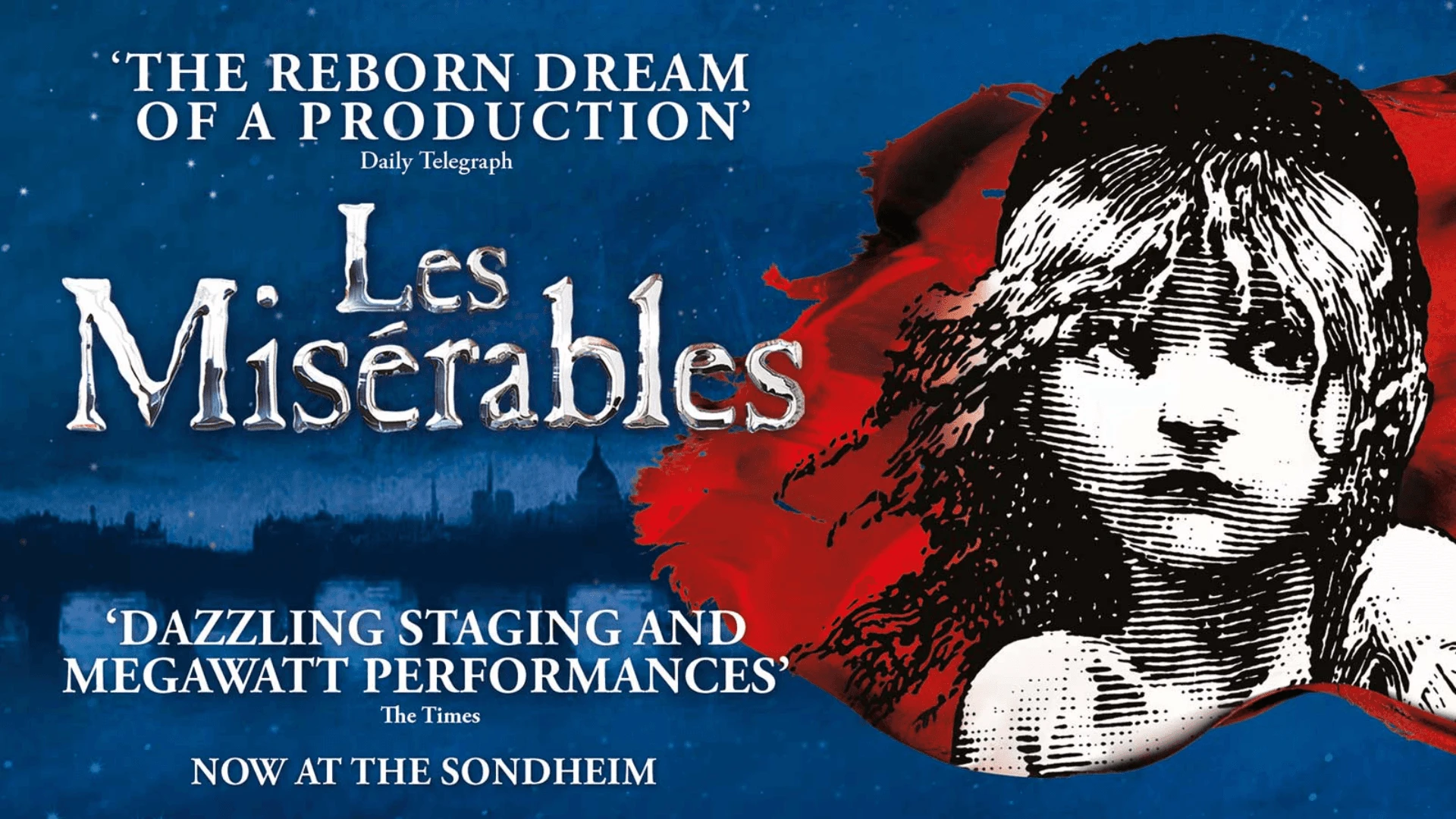
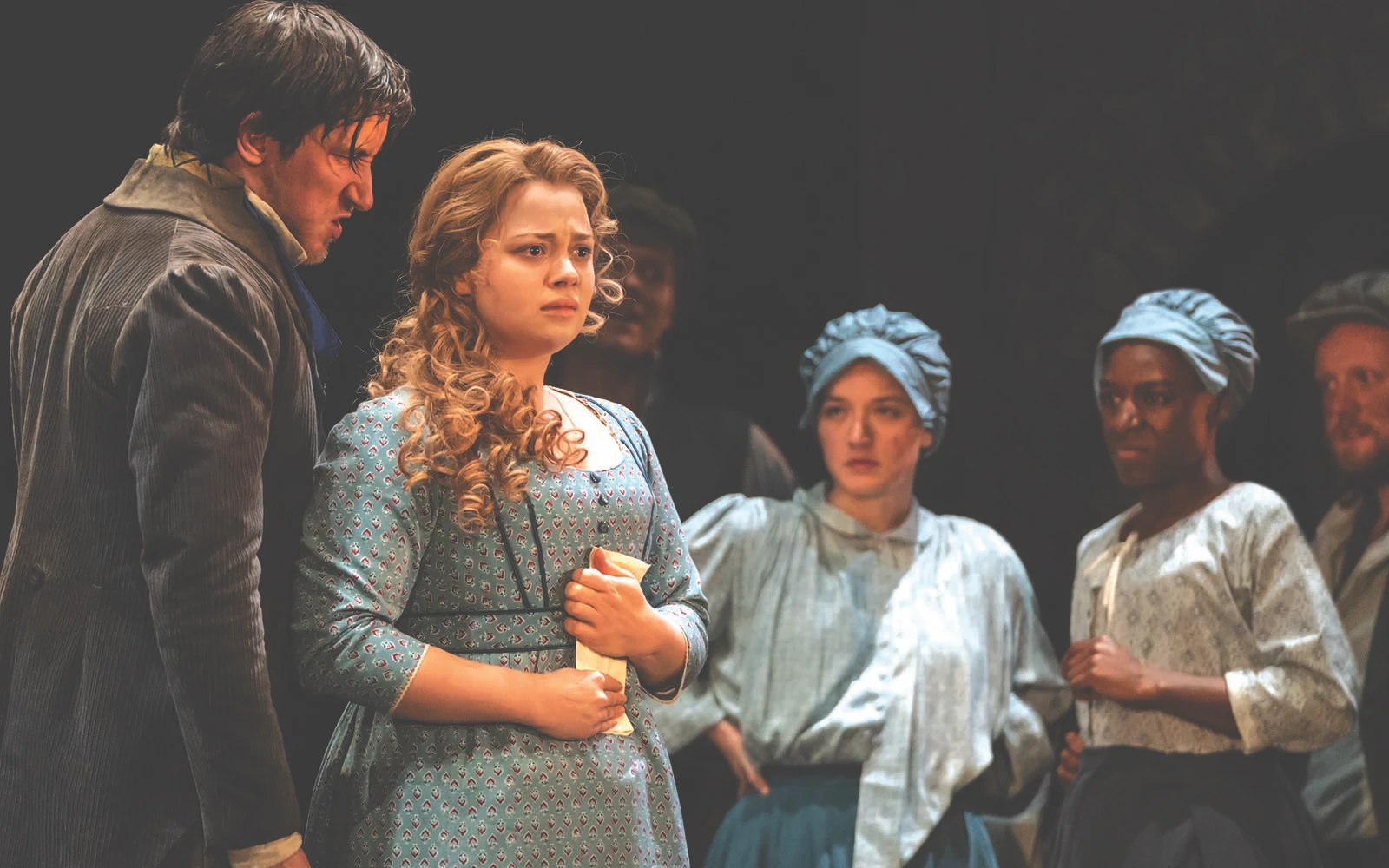
As a receiving house rather than a producing theatre, the Theatre Royal hosts touring productions from across Britain and internationally. West End touring productions of shows including Les Misérables, Wicked and Hamilton have all appeared at this venue over the years when on national tour, and it functions as the Glasgow equivalent of the West End's major receiving houses. For visitors to Glasgow who want to see a major touring production in a theatre of comparable ambition to the London houses, the Theatre Royal is the appropriate destination.
Information about what is currently playing at Glasgow's theatres is available through the venues' own websites and through BritishTheatre.com, which covers touring productions from the West End alongside the London programme. A full list of theatre venues available on the site provides context for the London programme.
The Citizens Theatre in the Gorbals is one of the most significant repertory producing companies in Britain. Founded in 1943 and associated throughout the twentieth century with artistically ambitious and sometimes provocative productions, the Citizens has maintained a consistent identity as a producing house committed to work that goes beyond the mainstream. It operates in a Victorian theatre building that underwent substantial renovation in recent years, reopening with improved facilities while preserving the character of the original auditorium.
The Citizens is run on a repertory model that produces its own programme of new plays, translations and revivals. The character of the work is typically more challenging and less commercially predictable than the touring programme at the Theatre Royal, and the venue has been associated with some of the most significant productions in Scottish theatrical history. For theatre audiences interested in new writing and repertory theatre rather than large-scale commercial touring, the Citizens is the most important venue in Glasgow.
The Citizens has a tradition of accessibility, including low ticket prices and community engagement, that makes it distinctive among producing theatres of comparable ambition in Britain.
The King's Theatre on Bath Street is a traditional Victorian theatre with a programme that covers popular drama, comedy, pantomime and receiving touring productions. With a capacity of around 1,700 seats, it is the largest theatre by capacity in Glasgow for non-opera programming, and its programme reflects the popular entertainment tradition of the Victorian theatrical circuit.
The King's is particularly associated with its annual pantomime, which is one of the most attended theatrical events in Scotland each year. The panto tradition at the King's has a long history and a consistent popular following, and for audiences interested in the British pantomime tradition in a traditional theatrical setting, the King's represents one of the best venues in the country for this form.
The Tron Theatre in Trongate in the Merchant City is Glasgow's main new writing venue outside the Citizens. A smaller and more intimate space than the principal houses, the Tron presents new Scottish and British work alongside visiting international productions. Its programme is reliably adventurous and tends toward work that takes formal risks or engages with contemporary culture in ways that the larger receiving houses cannot.
The Tron has a café-bar and a social character that makes it a venue for an evening out in the broader sense rather than purely a theatre visit, and it sits in a part of Glasgow that has a lively restaurant and bar culture around it. For audiences looking for new writing at an intimate scale, the Tron is among the most interesting options in the city.
Tramway, in the south side of Glasgow, operates as an experimental arts venue rather than a conventional theatre. It presents work in large flexible spaces that have previously been used by some of the most significant experimental theatre companies in Europe, and the character of its programme is at the furthest remove from the commercial touring circuit. For audiences interested in performance art, physical theatre, visual performance and work that challenges the conventions of theatrical presentation, Tramway is the most important venue in Scotland.
Tramway is not the right venue for first-time theatregoers or for audiences whose primary interest is in the mainstream programme; it is a venue for audiences who want to encounter work that pushes at the boundaries of what theatre is and does.
Glasgow's theatre season operates year-round across its different venues. The Theatre Royal and King's Theatre have their busiest periods in autumn and winter, with major touring productions in the run-up to Christmas and the pantomime season running into January. The Citizens and Tron have active spring and autumn seasons for new work. Tramway presents major projects throughout the year, often with international companies in residence for limited periods.
For visitors from elsewhere in Britain, Glasgow is accessible by direct train from London Euston (approximately four and a half hours), Edinburgh (approximately fifty minutes), and other major cities. The city's theatre venues are spread across the city centre and accessible on foot from Glasgow Central and Glasgow Queen Street stations.
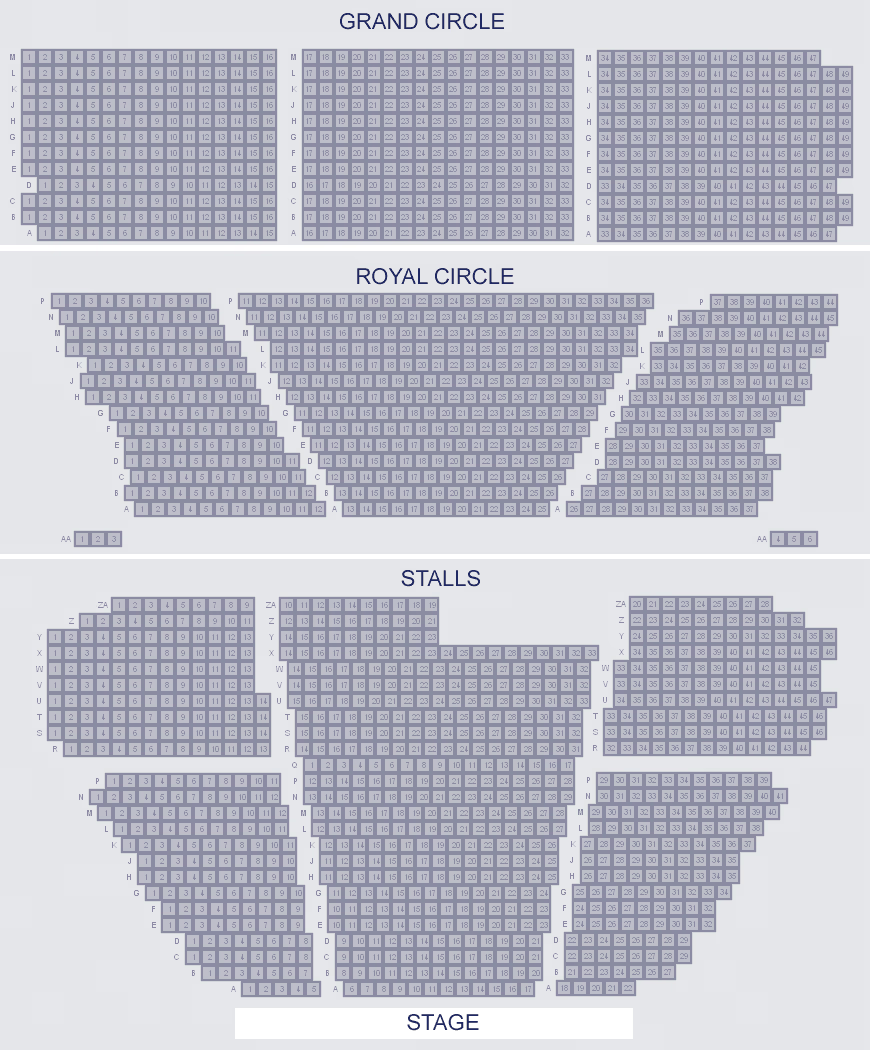
Glasgow's theatres sell tickets through their own websites and box offices. For London theatre and the national touring programme, tickadoo covers the full West End with seat maps and pricing for all major venues. BritishTheatre.com lists the current London and touring programme. tickadoo also offers theatre gift vouchers.
What is the best theatre venue in Glasgow? The Theatre Royal is the largest and most prominent venue for large-scale touring productions. The Citizens Theatre is the leading producing house for new and challenging work. Both are important in different ways depending on what kind of theatrical experience you are looking for.
Do West End shows tour to Glasgow? Yes. Major West End touring productions appear at the Theatre Royal and King's Theatre. Productions like Les Misérables and other large-scale musicals include Glasgow dates on national tours.
Is Glasgow a good city for theatre? Glasgow has one of the most varied theatre landscapes in Britain, from large-scale receiving houses through to internationally significant producing companies and experimental venues. It is among the most active theatre cities in the UK outside London.
How do I get to Glasgow's theatres from London? Glasgow is served by direct trains from London Euston, with journey times of approximately four and a half hours. Both Glasgow Central and Glasgow Queen Street stations are close to the main theatre venues.
Stay in the spotlight
Get the latest theatre news, reviews and exclusive offers straight to your inbox.