Theatre is a collaborative and ephemeral art form, and the memoir or autobiography provides one of the few ways in which the experience of making it can be preserved and shared with audiences who were not in the room. The body of published writing by and about theatre practitioners spans performer memoirs, directorial accounts, production histories, and reflections by designers, choreographers and writers, and the best of these books offer a perspective on theatrical work that programme notes, reviews and the performances themselves cannot provide. This guide covers the main categories of theatre memoir and the kinds of reading experience each offers.
The largest category of theatre memoir is the performer account, in which an actor, singer or dancer describes their life in the industry. These books vary considerably in their approach: some are straightforward accounts of a career chronology; others are more reflective explorations of the craft and its demands. The best performer memoirs do more than recount productions and anecdotes; they examine what it means to inhabit a character, how a career develops over time, and the particular pressures and pleasures of stage performance as a sustained professional practice.
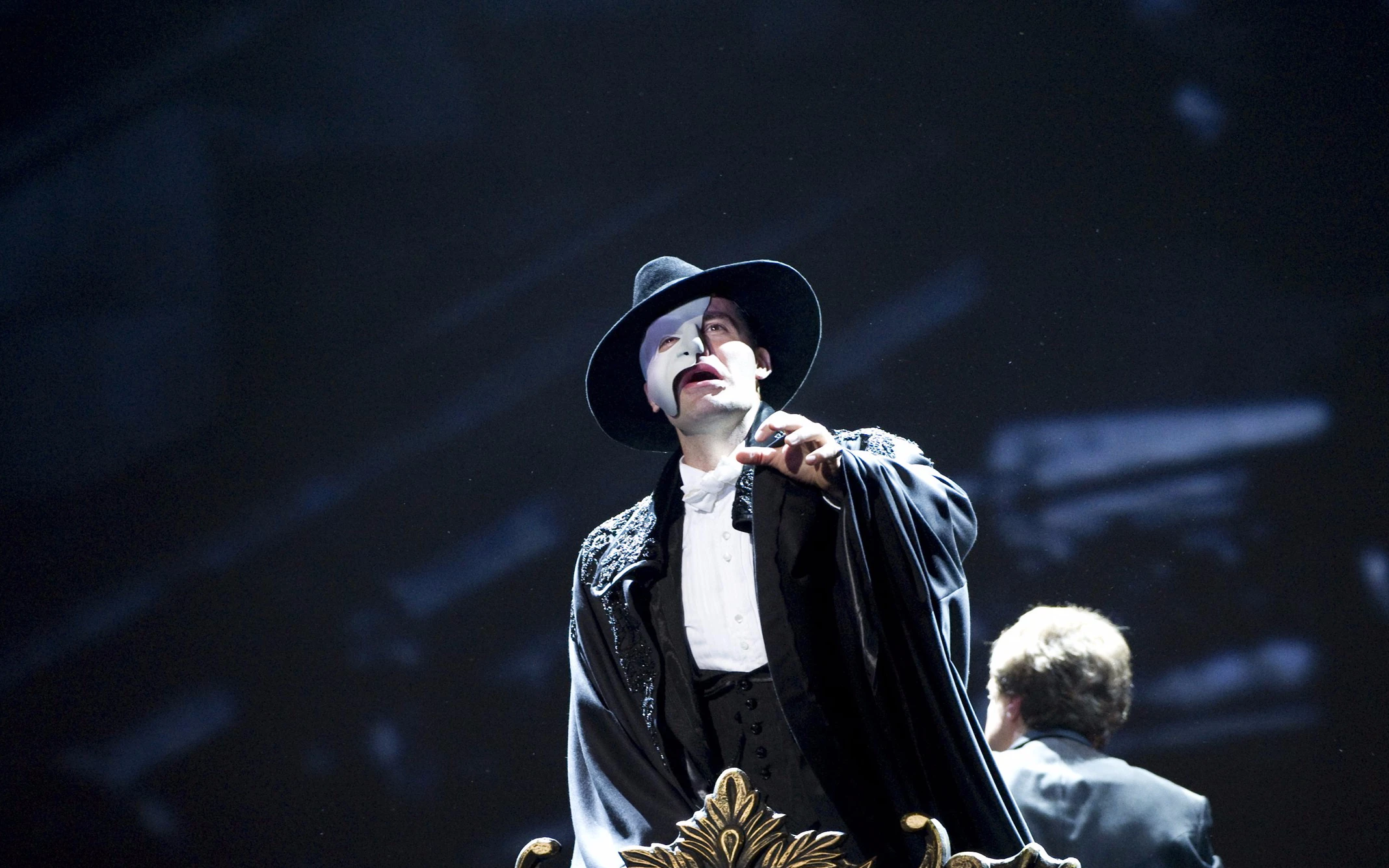
British musical theatre has produced a significant body of performer memoir, much of it reflecting the particular qualities of the West End circuit: the repertory of long-running productions, the close communities of casts who inhabit the same shows for months or years, and the distinctive culture of the large commercial musical. For readers who attend shows like The Phantom of the Opera or Les Misérables regularly, performer accounts of what it is like to be inside those productions over extended periods provide a perspective on familiar works that changes how they are experienced from the audience.
Directorial and producer memoirs offer a different view of the theatrical process, focusing on the decisions made before the curtain rises rather than the experience of the performance itself. These accounts are often particularly interesting for what they reveal about the gap between a production's conception and its realisation, the compromises and discoveries that occur during the rehearsal process, and the way in which shows change between their initial development and their eventual opening.
Some of the most revealing theatrical writing comes from figures who have overseen landmark productions: the challenges of realising a complex stage picture on a budget, the management of creative disagreements between collaborators, the relationship between a director's vision and the needs of the performers executing it. These accounts give readers who primarily experience theatre as audience members a sense of the institutional and artistic complexity behind even a straightforward-seeming production.
A related genre to the memoir is the production history, which traces the creation and development of a specific show rather than a career. These books have a particularly strong tradition in musical theatre, where the complexity of collaboration between book writers, lyricists, composers, directors, choreographers, and designers creates a web of creative decisions that a production history can trace with a level of detail impossible in other formats.
Works that have had significant cultural impact and long production histories have often generated their own literature. For readers interested in shows that have run for years in the West End or toured extensively through the British theatrical landscape, a production history provides context for how such a show came to exist in the form it does, the creative evolution it underwent from initial development through to the present, and the decisions that shaped its enduring popular appeal.
Among the less commonly discussed categories of theatre memoir are accounts by choreographers and designers, whose contributions to theatrical production are often less visible to audiences than the work of performers and directors. Choreographer memoirs have a particular interest for the way they describe the relationship between movement and music, between the physical and the dramatic, and between the choreographer's intentions and the bodies of the dancers executing the work.
Design memoirs and accounts provide insight into the visual and spatial thinking that underlies a production's look, how a set designer approaches the problem of creating a world within the constraints of a stage and a budget, and the often intense collaboration with directors and lighting designers that shapes the final theatrical image the audience encounters.
Beyond memoir and autobiography by practitioners, the biographical literature about theatrical figures includes substantial academic and journalistic work on major actors, directors and impresarios. These accounts bring a critical distance that the memoir, written from the inside, cannot always provide, and they situate individual careers within the wider history of theatre.
For readers who attend productions regularly and want to understand what they see in a richer context, theatrical biography provides a bridge between the experience of watching performances and the history of the form. Productions like Hamilton have their own significant literature, including the works that prompted the show's creation, and reading alongside attending is one way of deepening the engagement with productions that are more than just entertainment.
For readers new to theatre memoir, the most accessible entry point is typically the performer account by someone whose work they already know from stage or screen. The familiarity of the subject provides context for the material, and the conversational quality of many performer memoirs makes them approachable reading even for those not deeply familiar with the theatrical world. From there, the more specialist genres of directorial account and production history reward readers who have developed an appetite for the texture of theatre-making.
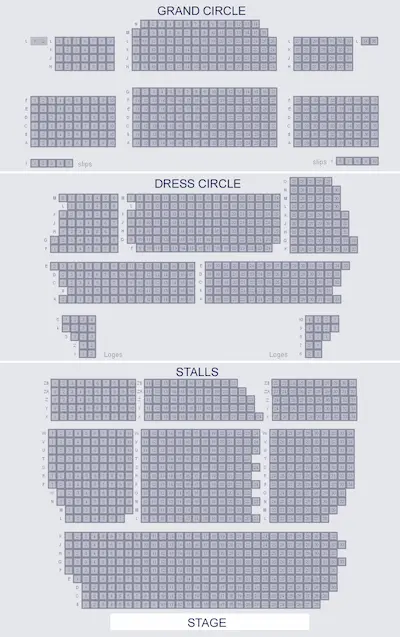
For tickets to the West End productions discussed in the theatrical literature and across the full current programme, tickadoo provides seat maps and pricing for all major London theatre venues. The complete current programme with full production information is available at BritishTheatre.com. tickadoo also offers theatre gift vouchers for theatre-loving readers.
What kinds of books are classed as theatre memoirs? Theatre memoirs include autobiographies and memoirs by performers, directors, choreographers and designers, as well as production histories tracing the creation of specific shows. The category covers both reflective personal accounts of a career and more focused accounts of individual productions or phases of theatrical work.
Why read theatre memoirs if you already attend shows? Memoirs and production histories provide a perspective on theatrical work that the performance itself cannot offer: the process of making a show, the creative decisions behind a production, and the experience of the practitioners whose work you see on stage. Reading about a production you have seen or intend to see changes how you understand what you are watching.
Are there theatre memoirs specifically about West End musicals? The West End musical has generated a substantial literature of memoir and production history. Performers, choreographers and creatives associated with major long-running productions have written accounts of their work, and these represent some of the most accessible and engaging reading available about the experience of making large-scale commercial theatre.
Stay in the spotlight
Get the latest theatre news, reviews and exclusive offers straight to your inbox.