Choreography is one of the defining elements of musical theatre, and in the best West End productions the dance numbers do more than entertain: they advance the story, reveal character and create emotional moments that no other theatrical medium could produce. When dance is central to a show's identity, the live performance of it in a major theatre carries a physical energy and collective power that recording cannot replicate. This guide identifies the West End shows where choreography is most central to the experience and where seeing it performed live is the specific pleasure of attending.
Hamilton at the Victoria Palace Theatre has choreography that is fundamental to the show's identity. Andy Blankenbuehler's original choreography, reproduced in the West End production, draws on hip-hop, jazz and contemporary dance to create a visual language that matches the score's fusion of musical styles. The movement in Hamilton is not decorative but structural: it carries narrative information, expresses character and uses the full stage in a way that makes the spatial dimension of the performance as expressive as the music.
Numbers like "The Room Where It Happens" and the Act Two opening are examples of how Hamilton uses choreography to tell story and create atmosphere simultaneously. For audiences who want to see a show where the dance is as carefully crafted and meaningful as any other element of the production, Hamilton is among the strongest current examples in the West End.
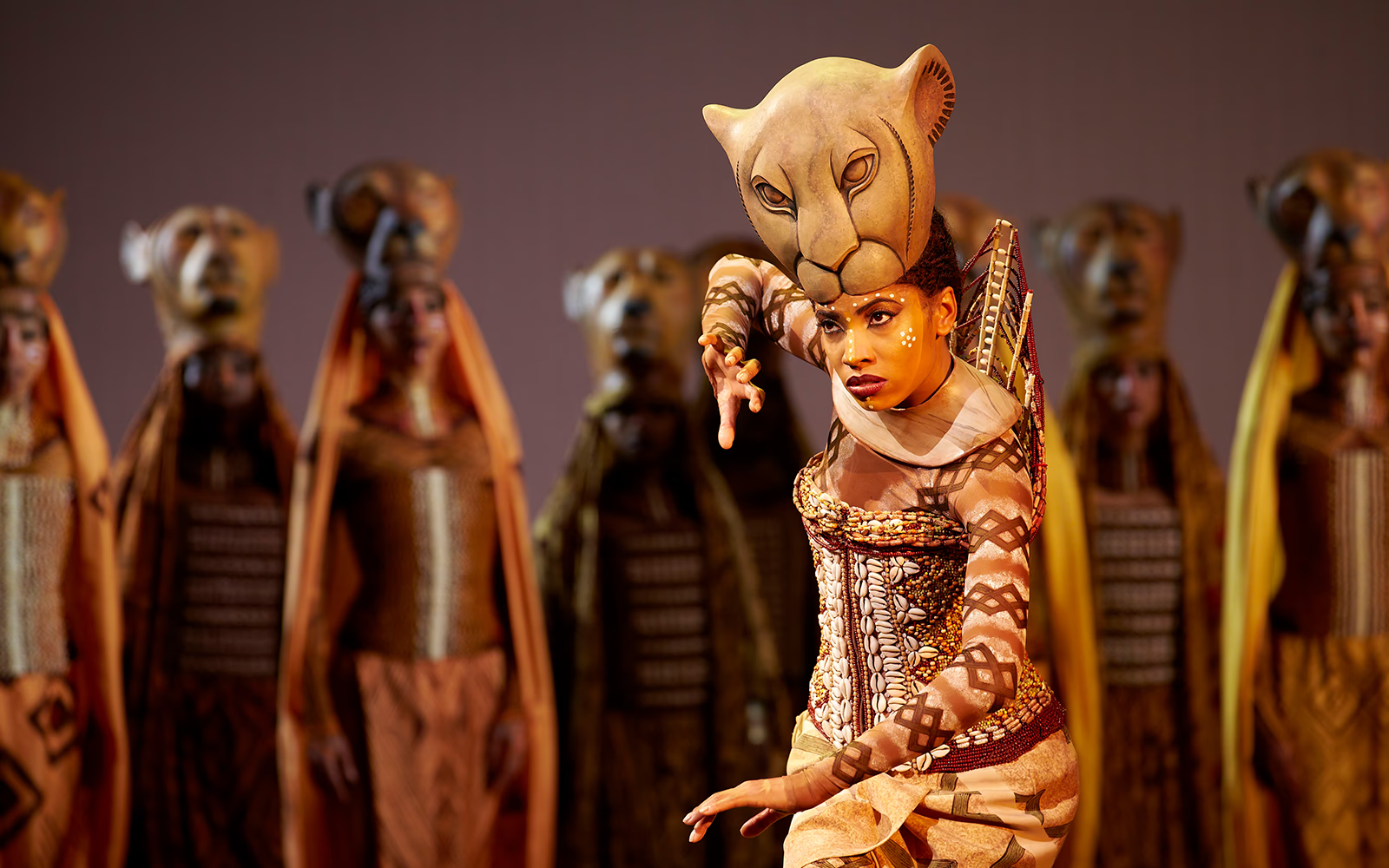
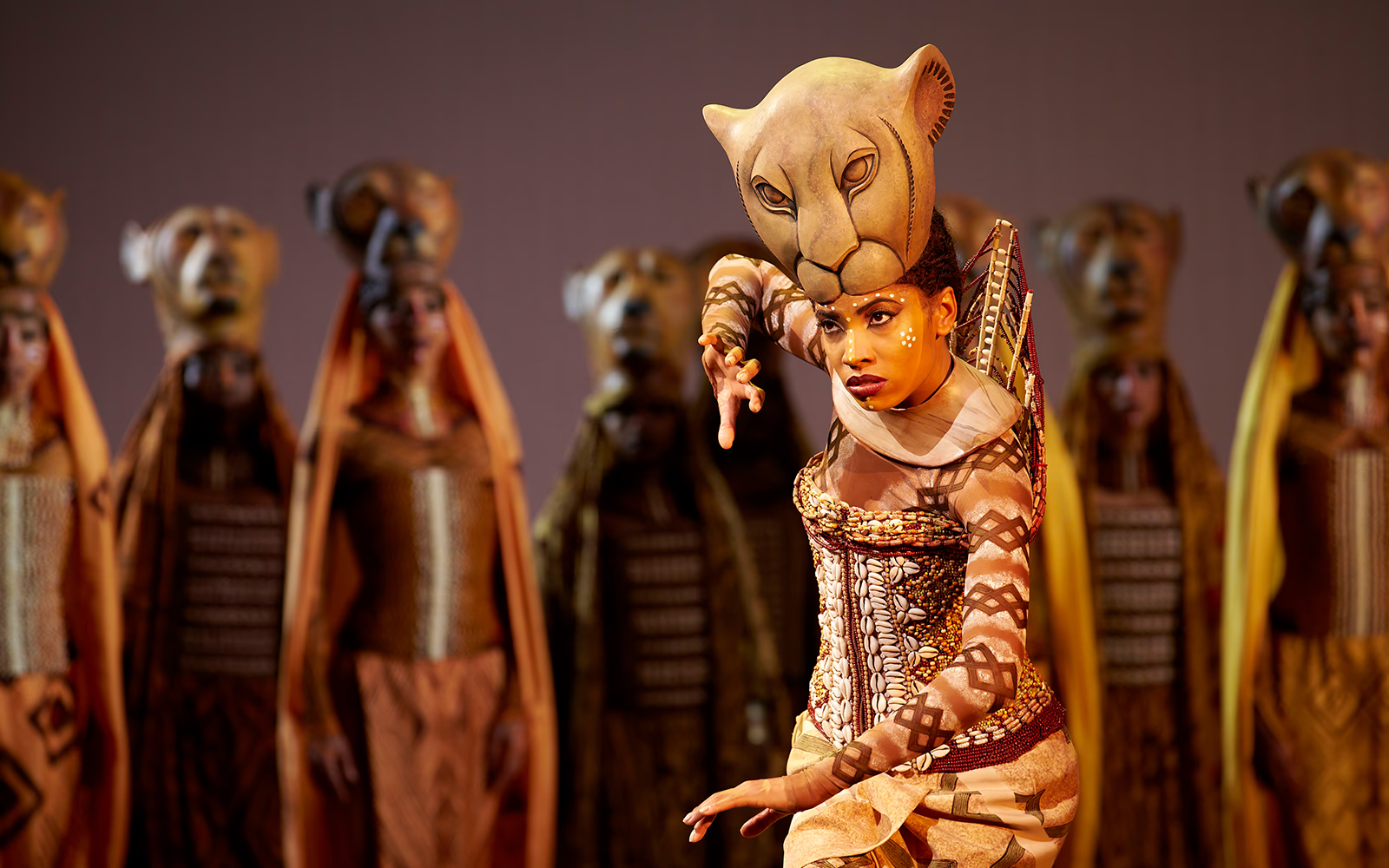
The Lion King at the Lyceum Theatre draws on African dance forms and Garth Fagan's choreography to create movement that is quite unlike anything else in the commercial West End. The show's approach to physicality is central to its theatrical identity: the dancers who bring the animal world to life combine physical transformation with traditional dance vocabulary in a way that generates the show's most memorable visual images.
The choreography in The Lion King is inseparable from the design and puppetry: movement, costume and object manipulation all work together to create the animals and environments of the story. For audiences who want to see a show where dance is integrated with design and stagecraft to produce something genuinely distinctive, The Lion King remains one of the most original productions in the West End.
Wicked at the Apollo Victoria Theatre has large-scale ensemble choreography that makes full use of the Apollo Victoria's wide stage. The production numbers in Wicked are staged for spectacle: the ensemble numbers in Act One in particular use the stage's full width and depth to create visual pictures of considerable impact.
The choreography supports the show's two central performances: the contrast between Elphaba and Glinda's physical characterisations is established and developed through their movement as much as through their singing and the dialogue. The transformation scenes at the end of Act One depend on the choreographic build from the preceding staging, and seeing the production with the full ensemble in a major house gives these moments the scale they require.
Hadestown at the Lyric Theatre uses movement in a way that reflects the folk and blues character of Anaïs Mitchell's score. The choreography is less obviously spectacular than in large-scale musicals like Wicked or Hamilton, but it is precisely calibrated to the emotional register of the material. The workers in Hades move in patterns that suggest industrial repetition and oppression; the more lyrical passages have a quality that connects the show to its folk mythology roots.
For audiences interested in choreography as dramatic expression rather than spectacular display, Hadestown demonstrates how movement can serve a show's narrative and thematic content in ways that go beyond entertainment. The production's commitment to integrating every element of its staging is visible in how the movement relates to the music, the design and the story.
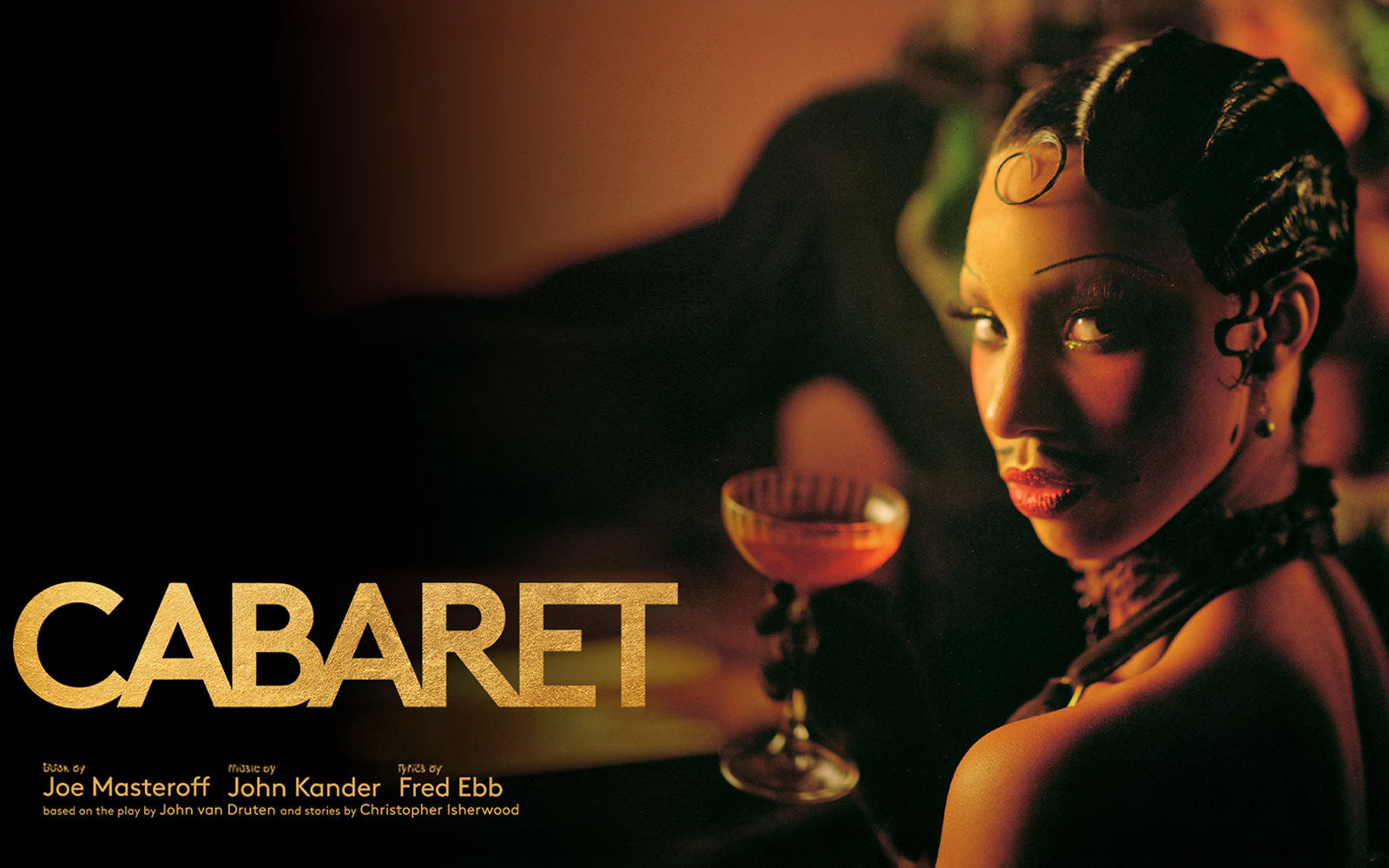
Cabaret at the Kit Kat Club uses choreography as a central element of its immersive theatrical environment. The numbers in the club setting are performed in a space that surrounds the audience, and the staging of the choreography reflects the show's world of Weimar-era Berlin nightlife with a directness and energy that a conventional proscenium arrangement could not achieve.
The Kit Kat Girls and Boys are both performers and inhabitants of the world the production creates, and their movement is part of how the show establishes and maintains its atmosphere. For audiences who want to see choreography used as environmental storytelling rather than theatrical spectacle, Cabaret at the Kit Kat Club is a distinctive example of how dance can define a production's relationship with its audience.
Mamma Mia is built around ABBA's catalogue, and the choreography reflects the energy and spirit of the songs directly: it is joyful, accessible and focused on the collective pleasure of the audience as much as on the technical achievement of the performers. The dance in Mamma Mia is not the primary theatrical statement but the right vehicle for the material: it creates the communal, celebratory atmosphere that makes the show one of the most reliably enjoyable in the West End.
For audiences who want choreography that invites participation and generates an uncomplicated shared pleasure in the theatre, Mamma Mia delivers what it promises with consistency and confidence.
The productions in this guide represent different approaches to choreography: from Hamilton's narrative dance vocabulary to The Lion King's fusion of dance and design, from Wicked's large-scale spectacle to Hadestown's character-driven movement and Cabaret's immersive staging. The right choice depends on what kind of choreographic experience you are looking for and what kind of theatrical environment you want to be in.
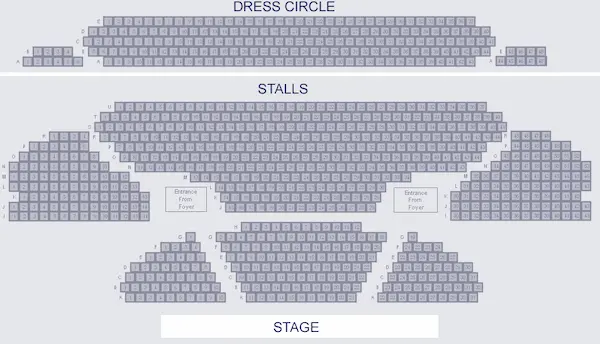
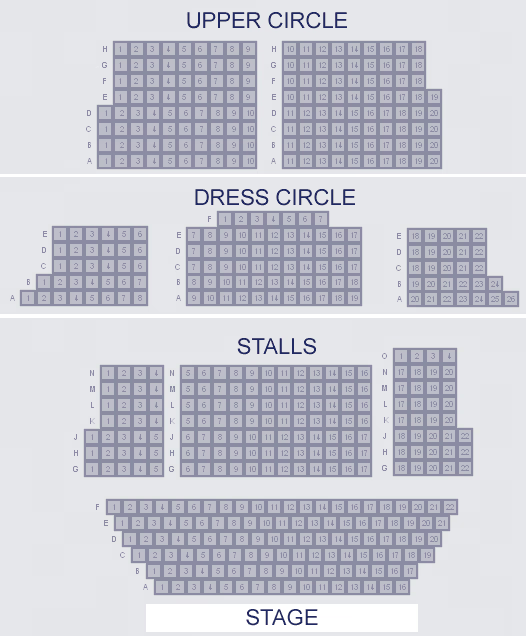
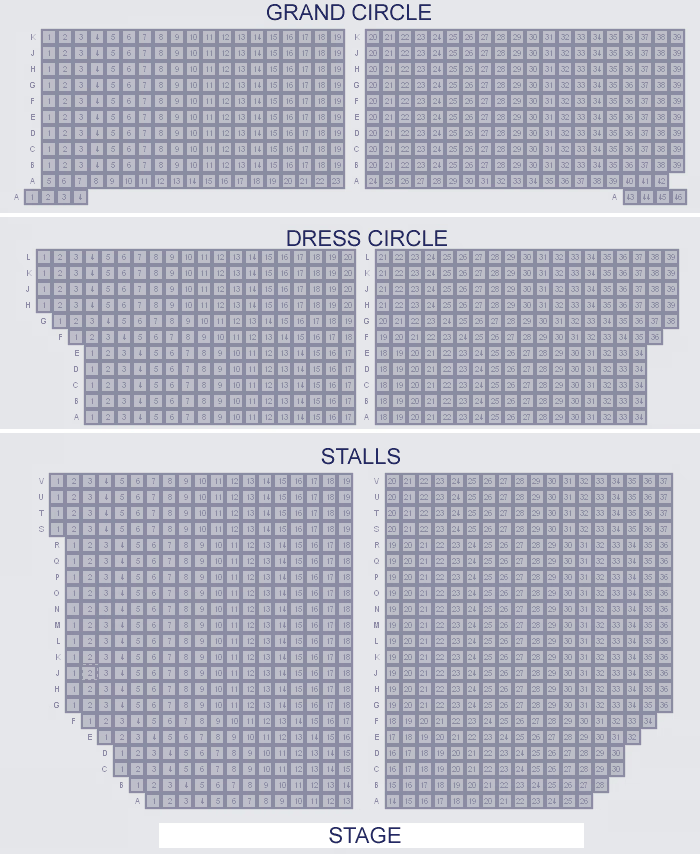
All of these productions are significantly enhanced by good sightlines: dance is a spatial art and seeing the full stage picture matters. Central seats in the Stalls or the front rows of the Dress Circle tend to give the most complete view of ensemble choreography.
For tickets to all the productions featured in this guide, tickadoo covers the full West End programme with seat maps and pricing. For the complete listing of current and upcoming West End shows and venues, BritishTheatre.com provides full production information. tickadoo also offers theatre gift vouchers.
Which West End shows have the best choreography? Hamilton, The Lion King and Wicked are among the most highly regarded for their choreography. Each uses dance in a different way: Hamilton fuses hip-hop and contemporary styles, The Lion King integrates African dance with puppetry and design, and Wicked delivers large-scale ensemble spectacle.
Is Hamilton a dance show? Hamilton is primarily a musical, but its choreography is integral to how the story is told. The movement vocabulary draws on hip-hop and contemporary dance in ways that serve the narrative and characterisation throughout the show. Seeing it performed live makes the choreographic achievement clearer than recordings can convey.
What West End shows are best for dance enthusiasts? Hamilton, The Lion King and Hadestown are all strong choices for audiences with a specific interest in choreography. Cabaret at the Kit Kat Club uses movement as part of its immersive theatrical environment in a way that distinguishes it from conventional staging.
Does the venue matter for seeing dance in the West End? Yes. Central seats with clear sightlines to the full stage make a significant difference when dance is a major element of the production. For shows like Wicked at the Apollo Victoria or Hamilton at the Victoria Palace, where ensemble choreography uses the full stage width, central positions in the Stalls or Dress Circle are noticeably better than side seats.
Stay in the spotlight
Get the latest theatre news, reviews and exclusive offers straight to your inbox.