The question of what to wear to the theatre is a common one, and the answer has changed considerably over the past few decades. The formal dress expectations of the mid-twentieth century have given way to a much wider range of what you will see in a West End audience. This guide covers the practical considerations: what to avoid, what works well, how to dress up without overdoing it, and how comfort fits into the equation.
No West End theatre enforces a dress code for standard performances, and no theatre will turn anyone away at the door for their clothing choices. Audiences at major West End shows like Hamilton at the Victoria Palace Theatre or The Lion King at the Lyceum Theatre dress across the full spectrum: you will see jeans and trainers alongside evening dresses and suits in most auditoriums on any given night.
The practical conclusion is that there is no obligation to dress formally, and no dress choice that would be inappropriate for a West End show, within the normal bounds of what you might wear in any public setting.
That said, many audience members choose to dress up for a theatre visit, and there are some practical and social reasons why that can be worthwhile.
The theatre is an occasion, and dressing appropriately for an occasion is something many people find enhances the experience. The act of dressing intentionally for an evening out is itself a preparation: it signals to yourself and to whoever you are going with that the evening matters.
For first visits to major productions, particularly first nights or special events, a degree of dressing up is common and adds to the atmosphere of the event. Looking around an auditorium before a show and seeing an audience that has made an effort creates a collective sense of occasion that is part of what makes the theatre feel different from other forms of entertainment.
There is also a practical dimension: evening wear or smart casual is often simply more comfortable and appropriate for a two-to-three-hour seated occasion than very casual clothes are.
Smart casual is the most versatile approach. For women, this might be a dress, a skirt and blouse, or well-cut trousers with a smart top. For men, a shirt (with or without a tie), smart trousers or chinos, and clean shoes. Neither extreme: not formal enough to be uncomfortable, not casual enough to feel underdressed for a significant evening out.
Evening wear is always appropriate. If you want to dress for the occasion, there is nothing excessive about wearing evening dress to a major West End production. A degree of formality suits the context and most theatres are well set up for an audience in evening wear. The only practical consideration is that large bags and heavy coats will need to be managed, as most West End theatre seats are closely spaced and storage is limited.
Smart jeans work in most contexts. Dark jeans in good condition with a smart top or jacket read as smart casual and are entirely appropriate for a West End show. Heavily distressed or very casual jeans read as something different.
Trainers are common in West End audiences and are not out of place. A pair of clean, contemporary trainers with otherwise smart clothing reads as a deliberate style choice rather than an afterthought.
Regardless of style choices, comfort matters for a two-to-three hour seated performance. A few practical points:
Heels. High heels are worn regularly at the theatre by many audience members, but West End theatre buildings have uneven floors, raked aisles and stone steps in many cases. Comfortable walking shoes or block heels are more practical than very high stiletto heels for navigating the building, and the journey to and from the theatre by public transport.
Very large bags. Most West End theatre seats do not have under-seat storage. A bag that needs to go on your lap or on the floor between rows can be uncomfortable for a long performance. A smaller bag, or a bag that can be stored at the cloakroom if one is available, is more practical.
Noisy jewellery or accessories. This is a minor point but worth considering for people sitting nearby: anything that rattles or clinks during moments of silence in the performance is a small distraction for those around you.
Heavy coats. Many West End auditoriums are warm when full. Bringing in a heavy coat means either wearing it throughout or managing it on your lap or over your arm. A lighter layer that can be removed and folded is more practical in most cases.
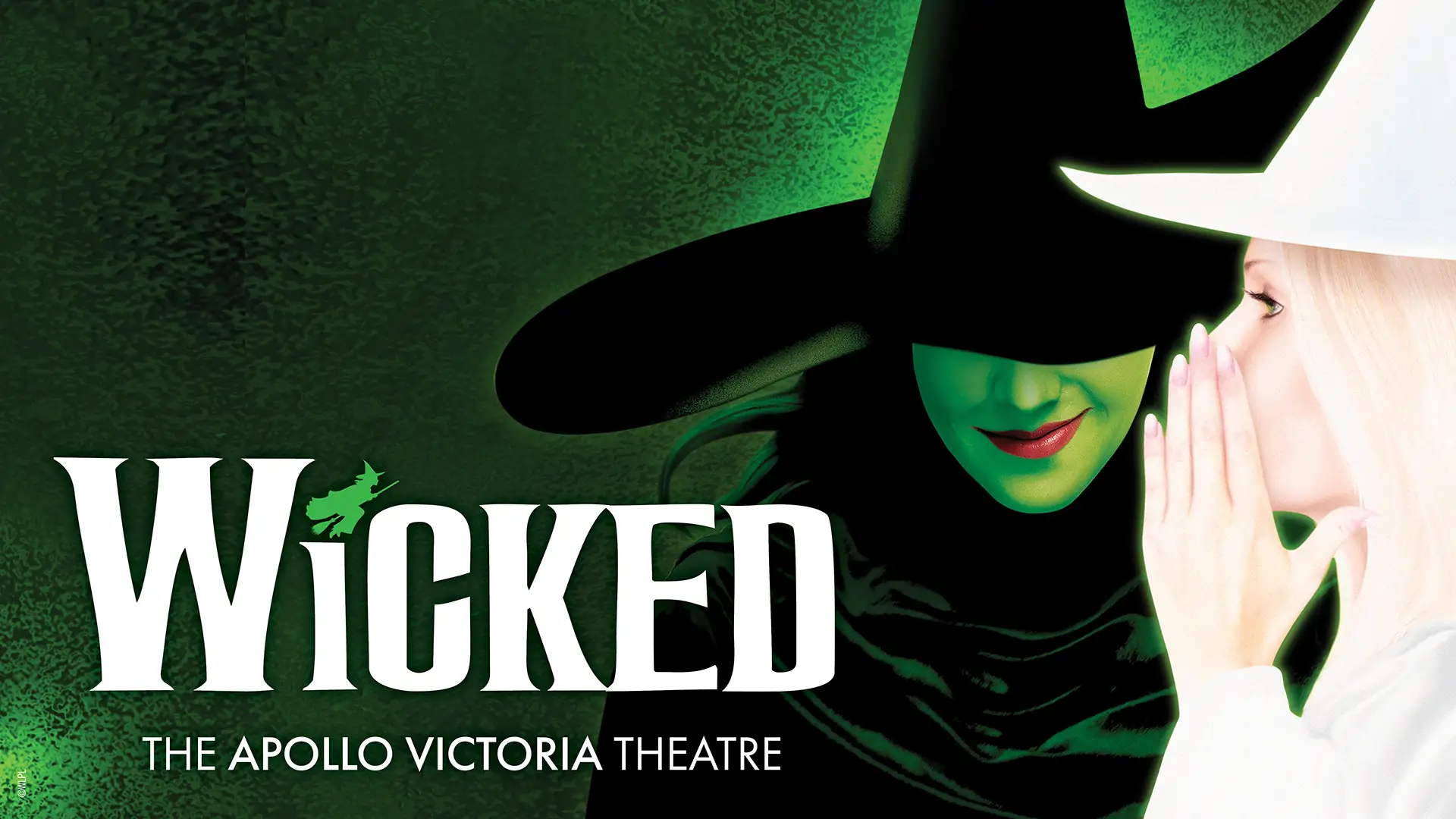
Large-scale musicals attract the widest range of dress across the audience. Wicked, Hamilton, Les Misérables and similar shows have audiences that include families, tourists, first-time theatre-goers and regular attendees. Any dress level from smart casual to evening wear is appropriate.
Classic drama and serious productions at venues like the National Theatre or in straight play programming at major West End theatres tend to attract slightly more formally dressed audiences on average, though the same broad principle applies: there is no requirement to dress formally.
Preview and press performances attract critics, industry professionals and regular attendees. On these nights, the audience typically dresses more formally than on a standard performance date.
Matinee performances attract a somewhat more casual audience than evening shows on average, particularly midweek matinees. Smart casual is entirely appropriate.
Before heading out for an evening at the theatre, the relevant practical questions are:
Will I be comfortable sitting in these clothes for two to three hours? Do my shoes work for a walk to and from the Underground or bus? Is my bag manageable in a theatre seat? Do I have a lighter layer I can take off if the auditorium is warm?
If yes on all counts, the outfit works.
For tickets to West End shows across all major productions, tickadoo covers full availability. BritishTheatre.com has guides to all major West End productions, including practical visitor information for each venue. tickadoo also covers gift vouchers and other options for theatre occasions.
Stay in the spotlight
Get the latest theatre news, reviews and exclusive offers straight to your inbox.