The West End is the most visible part of the British theatre landscape for audiences planning family trips to the theatre, but it represents only a fraction of the family-friendly theatrical activity happening across the country. Large-scale touring productions, regional producing houses, pantomime at local theatres, and smaller companies that develop work specifically for young audiences collectively provide an extensive family theatre offer that is accessible to most of the UK population without the need to travel to London. This guide covers the main categories of family theatre available beyond the West End and how to find what is available in your area.
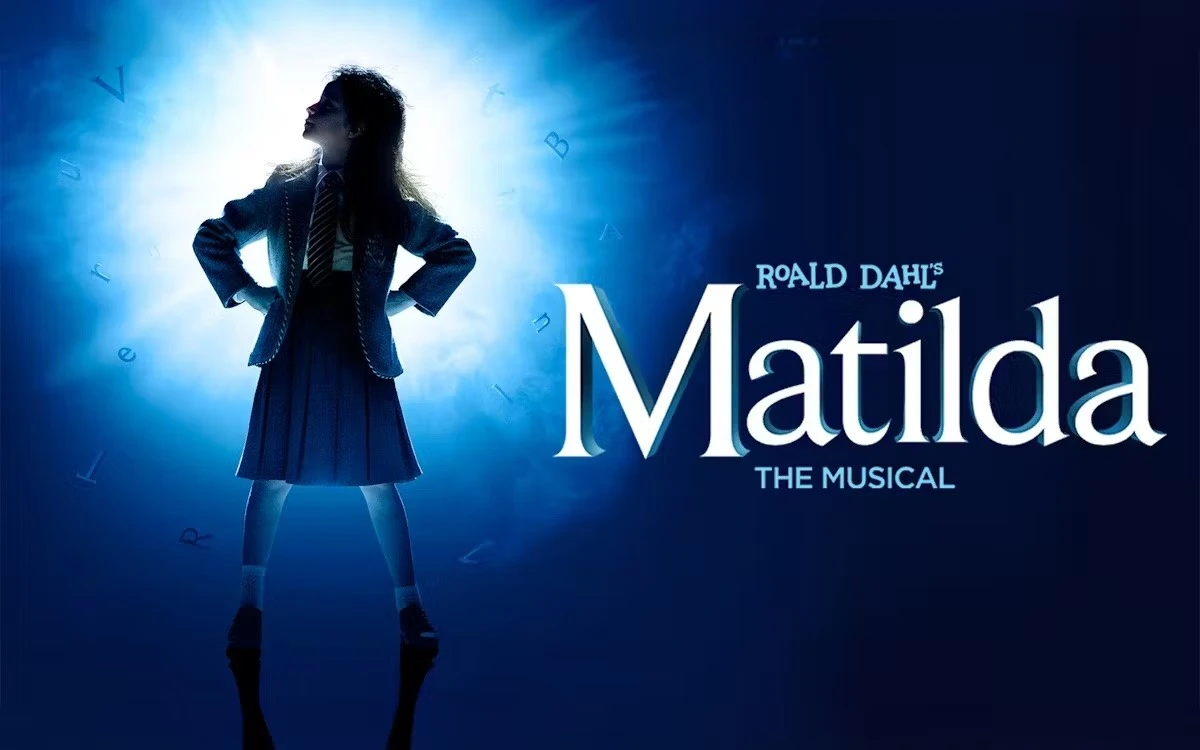
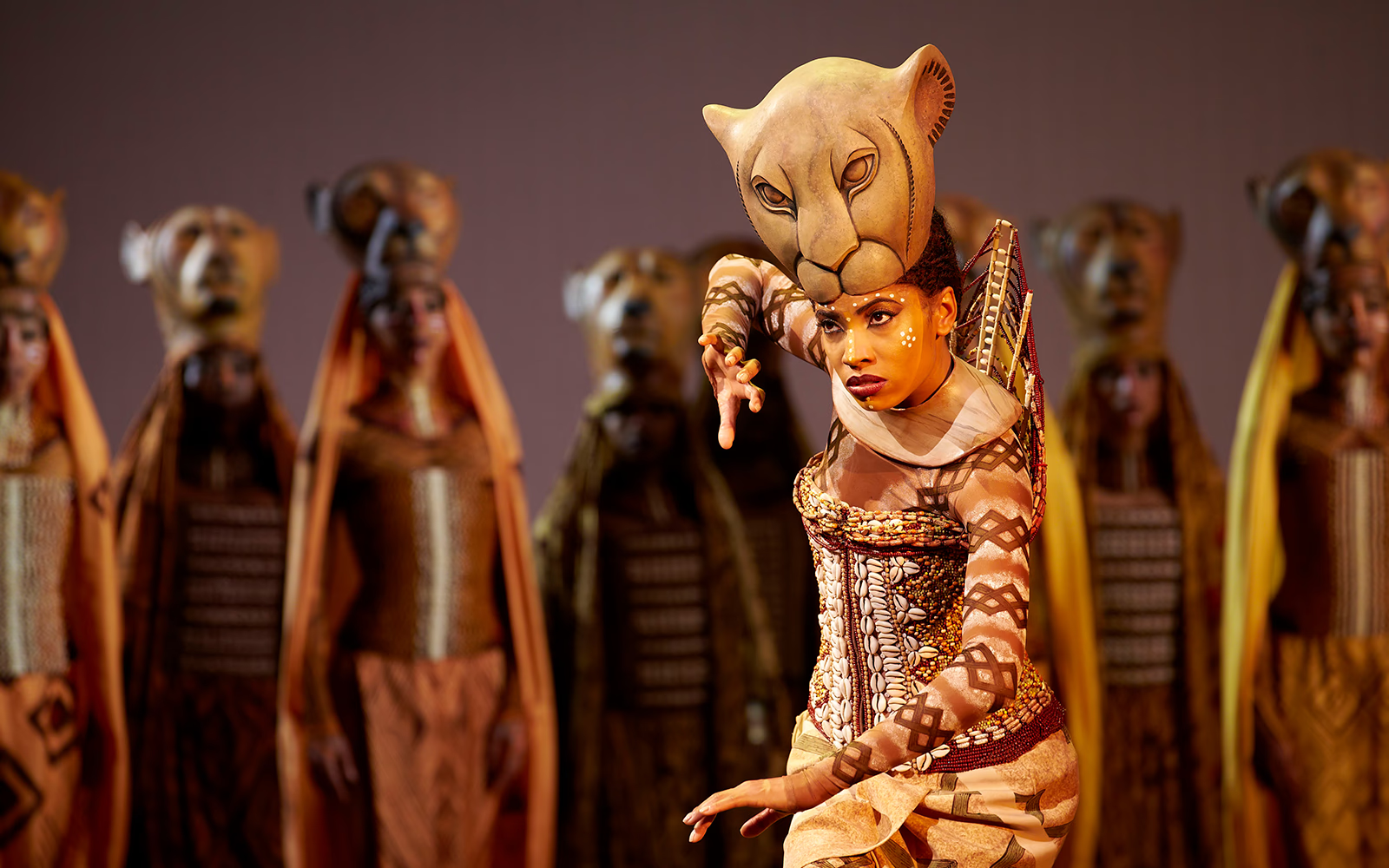
The most direct extension of the West End family theatre experience is the national touring production. Many of the shows that run in the West End also send touring productions on extended circuits of regional venues, bringing full-scale professional performances to cities and towns across the country. Productions of The Lion King, Matilda the Musical and similar large-scale family musicals have toured to venues including provincial opera houses, arts centres and converted cinemas that provide the technical infrastructure for a full touring production.
Touring versions of West End shows typically use the same design and musical arrangements as the London production, with casts drawn from musical theatre performers who specialise in touring work. The experience of seeing a touring production is not identical to the West End original, but for audiences for whom a London trip is not practical or affordable, the touring version provides access to work of the same creative standard.
The national touring schedule for family productions is typically announced well in advance, and the best way to find out what is coming to venues near you is through the venue's own website and through the national touring listings at BritishTheatre.com.
Beyond the receiving houses that host touring productions, a number of regional producing theatres develop and produce their own family work. The Royal Shakespeare Company, based in Stratford-upon-Avon, includes family productions in its programme, including its Christmas family show which draws significant audiences from across the country. The National Theatre's regional touring programme sends productions developed at the South Bank to venues across the UK, and smaller producing houses in most major UK cities have their own family programming.
These regional productions are not touring versions of London shows but original work created by the producing house's own artistic team. The quality of regional producing theatre for young audiences is high, and for families interested in supporting original new work rather than attending polished commercial transfers, regional producing houses offer a different kind of theatrical engagement.
Pantomime is the most widely attended form of live theatre in Britain and takes place at hundreds of venues across the country each winter season, typically from November through to January. The pantomime tradition is a distinctive British theatrical form combining comedy, audience participation, cross-dressing conventions, familiar stories and local references, and it remains the primary introduction to live theatre for many children.
Professional pantomimes range from productions at large-scale regional theatres with significant budgets and high-profile celebrity casting to smaller-scale shows at local arts centres and studio theatres. Quality varies considerably, and a good regional pantomime from a company with a strong track record provides an experience that many children remember well into adulthood.
For families new to pantomime, checking the theatre's track record with previous shows and looking at what cast has been announced provides the most useful guide to what to expect. Booking in advance is strongly recommended as pantomimes, particularly at popular venues and on school holiday dates, sell out well ahead of the performance.
A sector of the British theatre landscape specialises in making work specifically for children, including very young children who are not ready for conventional performance formats. Peepolykus, Unicorn Theatre in London, the Polka Theatre in Wimbledon and similar organisations develop productions that are specifically designed for the attention spans, developmental stages and physical engagement of young audiences.
This sector produces work that adults often find as engaging as their children do, partly because the best work for young audiences is made with the same rigour and intelligence that the best adult theatre requires. Productions in this sector use imagination, physical performance, design and sound in ways that are not constrained by the conventions of mainstream theatre, and the results are frequently more inventive than much of what appears on larger stages.
Shows from this sector appear at arts centres, in school halls, at festivals and in touring venues, and they are often less well-publicised than commercial touring productions despite being of comparable quality. Following the programming of regional arts centres and specialist children's theatre companies provides the best guide to what is available.
Summer outdoor theatre is an established tradition in the UK, and a number of venues and companies provide family-accessible work in outdoor settings. Shakespeare productions in public parks, touring companies performing in outdoor theatre spaces, and festival theatre events all expand the family theatre offer beyond what conventional indoor venues provide.
For families with young children who find the conventions of indoor theatre challenging, outdoor performances can provide a more relaxed environment. The informality of outdoor performance, the ability to bring food and drink, and the generally more tolerant atmosphere around young children's responses to the performance make this a useful alternative to the formal indoor theatre context.
The most practical approach to finding family theatre in your area is to follow the programmes of regional arts centres and theatres that have a track record of family programming. Most regional venues publish their season programmes several months in advance, making it possible to plan around specific productions rather than discovering them at short notice.
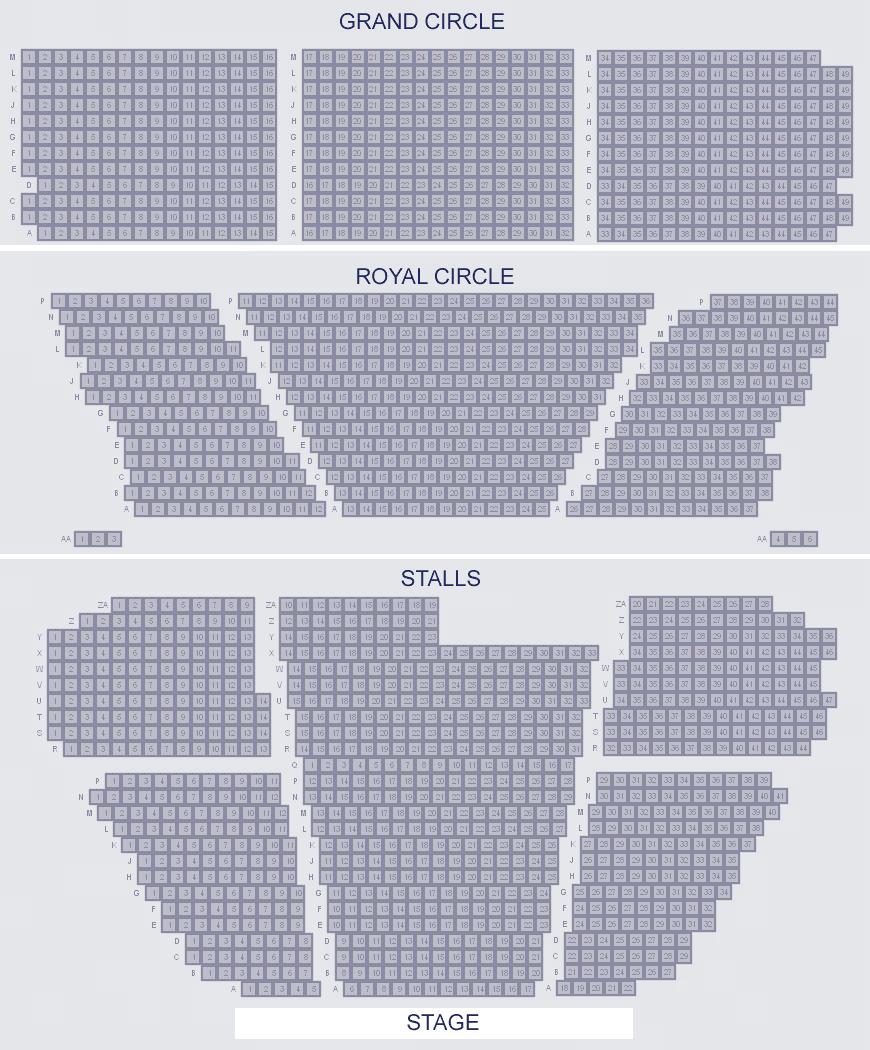
For the national touring schedule and productions that will visit venues across the UK, BritishTheatre.com covers touring productions across all UK theatre venues alongside the London programme. For productions playing in or transferring to London, tickadoo provides seat maps and ticket availability. tickadoo also offers theatre gift vouchers for family theatre occasions.
Is family theatre outside London as good as the West End? Quality varies as it does anywhere, but the regional family theatre landscape includes work of very high standard. Touring productions of West End shows use the same creative material as the London production; regional producing houses create original work of comparable quality to London fringe theatres; and the specialist sector of companies making work for young audiences produces some of the most inventive theatrical work in the country.
How do I find family theatre touring near me? The best approach is to follow the programme of regional arts centres and theatres in your area, which publish their seasons in advance. National touring listings are also available through theatre websites covering the full UK programme. Mailing lists from regional venues provide alerts about new announcements.
What age is family theatre appropriate for? Age suitability varies considerably depending on the type of show. Touring musicals like Matilda are generally suitable for children from around five or six and upward. Productions for very young children made by specialist companies may be suitable from as young as six months. Pantomime is typically suitable for children from three or four. Always check the specific guidance from the venue or company for a particular production.
What is the difference between a touring production and a West End show? A touring production travels from venue to venue across the country, typically using the same design and arrangements as the West End original but with a separate cast. The theatre buildings and technical infrastructure at regional venues vary, which can affect some elements of the staging, but the core creative material is the same.
Stay in the spotlight
Get the latest theatre news, reviews and exclusive offers straight to your inbox.