The Capital Theatre is one of London's newest major theatrical venues, having opened within the Westfield complex in 2025. It represents a significant addition to London's theatre infrastructure, bringing a large-format purpose-built auditorium to a location that combines strong transport connectivity with the amenities of a major shopping and dining development. For audiences planning their first visit, this guide covers what to expect from the building, how seating is arranged, practical access information and how to make the most of a visit.
The Capital Theatre was built as a contemporary large-scale theatrical venue designed from the outset to receive major commercial productions. Purpose-built theatres of this kind have practical advantages over older, converted or adapted buildings: step-free access throughout, modern acoustic design, clear sightlines from a higher proportion of the auditorium, and facilities that reflect current expectations rather than historical constraints.
The theatre occupies its own footprint within the Westfield development, with a dedicated entrance and front-of-house areas that connect to the wider complex. The relationship with Westfield means that pre-theatre dining, coffee and shopping are available in the immediate vicinity without requiring a separate journey, which makes the Capital Theatre a convenient destination for audiences combining an evening out with other activities.
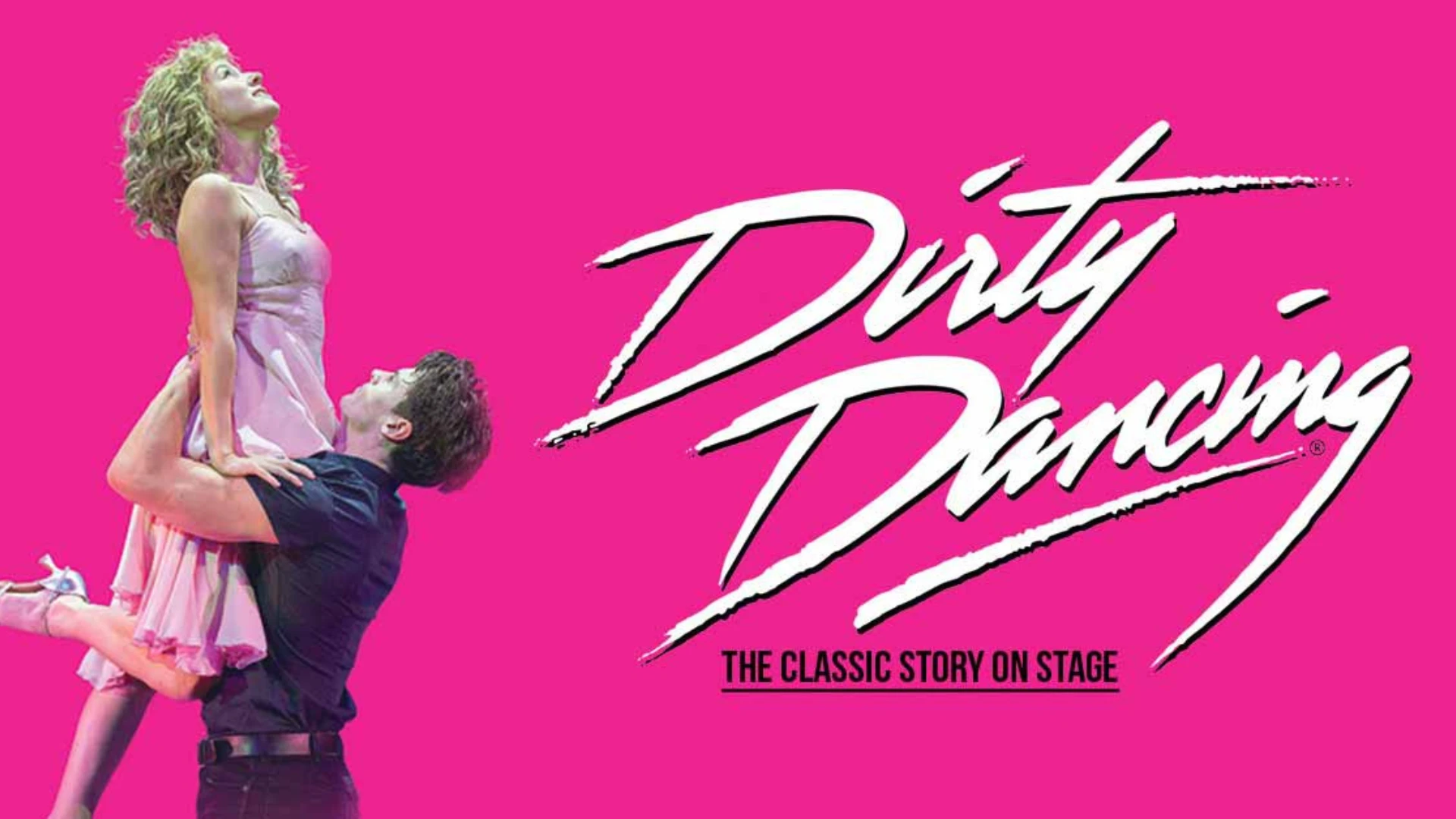
The auditorium is designed around a large proscenium stage appropriate for the kind of large-scale commercial productions the theatre receives, with a capacity suited to major touring productions of West End musicals. Productions like Dirty Dancing the Musical and the kind of large touring musicals that also run in the West End proper, such as Hamilton, represent the level of production the Capital Theatre is designed to host.
The main auditorium of the Capital Theatre has multiple levels of seating arranged around a wide proscenium stage. The stage dimensions are large enough to accommodate full-scale commercial productions with significant flying facilities, automated set changes and the technical infrastructure that major touring musicals require.
The auditorium's design prioritises clear sightlines from all areas of the house, and as a purpose-built contemporary venue it benefits from the kind of sight-line engineering that older theatres, which have often adapted their original designs through successive refurbishments, cannot always match. Acoustic design is integrated into the building from the ground up, which typically produces more consistent audio quality across the auditorium than venues relying on older natural acoustics or retrospectively installed systems.
The front-of-house areas include bars, refreshment counters and accessible facilities on multiple levels, with step-free connections between all levels of the building.
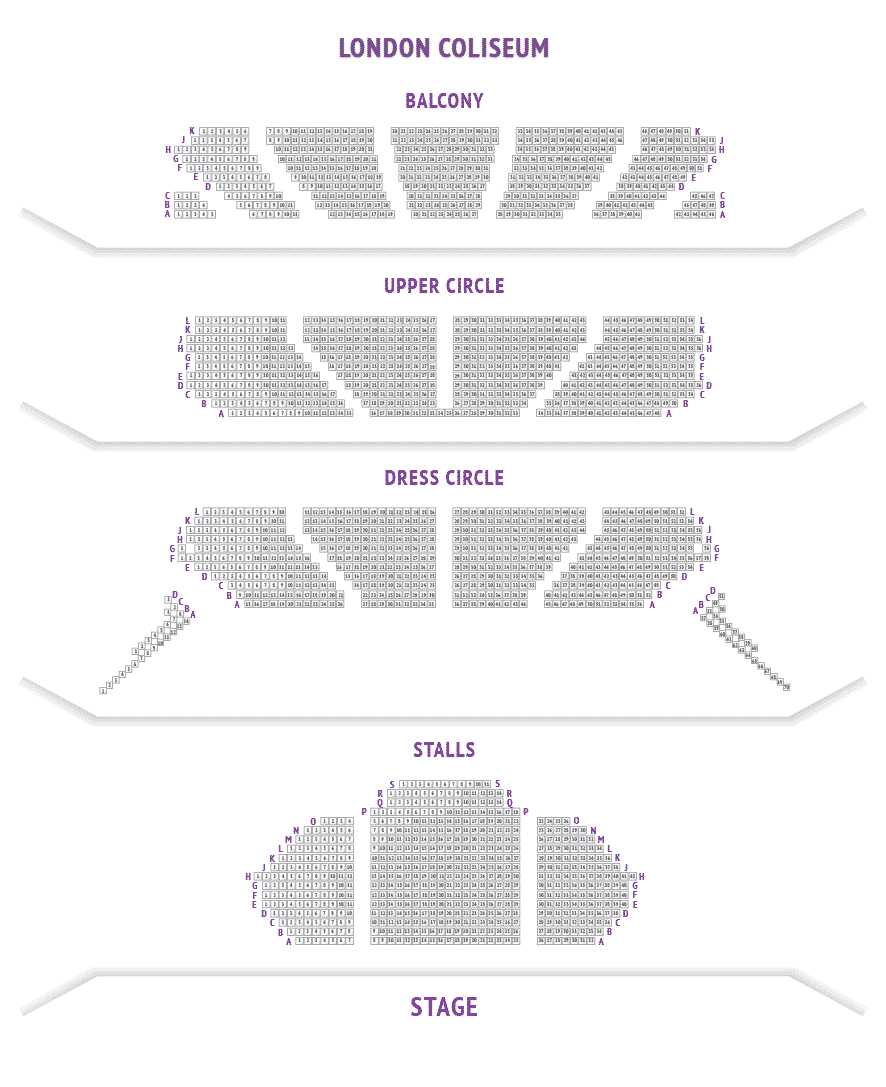
The Capital Theatre auditorium is arranged across stalls and circle levels, with the specific configuration reflecting the venue's purpose-built design.
Stalls: The stalls level provides the closest experience to the stage and suits audiences who prefer proximity to the performance. Central stalls positions from approximately the middle of the floor offer the best combination of proximity and an unobstructed view of the full stage picture. Front stalls positions provide maximum closeness to the stage but require looking upward at scenic elements that extend above the proscenium line, which can affect the experience of productions with significant vertical staging. The stalls rake in a purpose-built theatre is usually well-calibrated to ensure that most stalls positions have clear forward sightlines.
Circle levels: The circle levels provide an elevated perspective on the stage that suits productions making extensive use of the full stage width and depth. Front circle central positions offer the clearest overview of large ensemble choreography and complex staging, and in a purpose-built venue the circle front rows are typically well-positioned in terms of both sightlines and acoustic conditions. Middle and rear circle positions on the central section of each level provide good sightlines at a greater distance from the stage. Side positions on the circle levels should be checked for any angle of view that might limit visibility of stage activity at the far end of the stage.
For large-scale musicals with significant ensemble sequences, a central mid-stalls or circle front position tends to provide the most satisfying combination of proximity and panoramic view. For productions where individual performers' expression and physical detail are central to the experience, closer stalls positions allow for a more immediate engagement with the performance.
As a venue opened in 2025, the Capital Theatre is fully accessible in accordance with current standards. Step-free access is available throughout the building, from the entrance to all levels of the auditorium, via lifts integrated into the building's design. Dedicated wheelchair spaces and companion seating are positioned at appropriate points on each level, providing access to the full range of viewing positions rather than limited options at a single location.
Hearing loops are installed throughout the auditorium. Accessible toilet facilities are available on all levels. The venue's accessibility provisions extend to the front-of-house and bar areas, which are also step-free and designed for ease of navigation by audiences with mobility aids.
For audiences with specific access requirements, contacting the venue's access team in advance is recommended to confirm the most suitable seating position, discuss any particular provisions needed and ensure a smooth experience on the day.
The Capital Theatre's position within the Westfield complex provides access to a range of transport options. Westfield sites are served by multiple Underground lines and National Rail services, making them among the more transport-accessible large venues in London. Bus services connect to the Westfield complex from multiple directions, and the transport links are designed to handle the significant visitor volumes that a major retail and leisure destination generates.
There is substantial car parking within the Westfield complex, which provides an option for audiences travelling by car. Blue Badge spaces are available in the car park and close to the theatre entrance. The parking connection to the theatre means that arriving by car does not require navigating separate arrangements in the way that many central London theatres require.
The integration of transport, parking and the venue itself in a single development makes the logistics of a theatre visit somewhat simpler than at many West End venues, where transport and arrival arrangements are more fragmented.
The Westfield setting means that pre-theatre dining and post-show refreshments are available in the surrounding complex without the need to book in advance at a specific restaurant, though booking ahead at busier periods is still advisable. The range of dining options in a major Westfield development covers a variety of price points and cuisines.
The theatre itself has bars and refreshment options within the front-of-house areas, available before the performance and during the interval. Bar service during the interval at a venue of this capacity can involve queues, and advance ordering where available is a practical way to avoid the interval rush.
A visit to the Capital Theatre combines the theatrical experience of a major commercial production with the convenience of a modern purpose-built venue. The building's newness means that the practical elements of a visit (access, facilities, signage, acoustic design) reflect current best practice rather than the compromises and constraints of older theatrical buildings.
For audiences used to historic West End venues, the Capital Theatre offers a different atmosphere: less historical patina, more contemporary functionality. The theatrical experience on stage is equivalent to what a major production in any large London house would provide.
For tickets to productions at the Capital Theatre and the full current West End programme, tickadoo provides seat maps, pricing and real-time availability. The complete current London programme is listed at BritishTheatre.com, covering productions at all London venues. tickadoo also offers theatre gift vouchers.
Where is the Capital Theatre? The Capital Theatre is located within the Westfield complex in London. The venue is integrated into the Westfield development, providing direct access to the transport links, parking and dining options of the surrounding complex.
When did the Capital Theatre open? The Capital Theatre opened in 2025 as a purpose-built large-scale venue designed to receive major commercial theatrical productions including large touring musicals.
Is the Capital Theatre accessible for wheelchair users? Yes. As a purpose-built venue opened in 2025, the Capital Theatre has full step-free access throughout, including from the entrance to all levels of the auditorium, via dedicated lifts. Wheelchair spaces and companion seating are available at multiple positions across all levels.
What kind of shows does the Capital Theatre receive? The Capital Theatre is designed as a large-format receiving house for major commercial productions, principally large-scale touring musicals. Its stage and technical infrastructure support productions at the scale of the major West End touring circuit.
How do I choose seats at the Capital Theatre? Central stalls positions from mid-floor provide strong proximity to the stage, while central front circle positions offer a clear panoramic view of large ensemble staging. Side positions on any level should be checked for angle of view. For productions making significant use of the full stage width and depth, a central position at the stalls or circle level tends to provide the most complete stage picture.
Stay in the spotlight
Get the latest theatre news, reviews and exclusive offers straight to your inbox.