Theatre Royal Bath is one of the oldest working theatres in Britain and among the most important touring venues outside London. The building on Sawclose in the centre of Bath has been presenting theatrical performances since 1805, and the main auditorium remains one of the finest examples of Georgian theatre architecture in the country. For audiences visiting Bath, or for theatre-goers based in the South West who want to see major touring productions without travelling to London, the Theatre Royal is the principal destination in the region. This guide covers the theatre's history, its two performance spaces, the touring programme and practical information for visitors.
A theatre has stood on or near the Sawclose site since the seventeenth century, making Bath one of the earliest provincial centres of theatrical activity in England. The current building dates from 1805, when the present theatre was constructed on the site of a previous house that had burned down, and the interior was extensively remodelled in the Victorian era in ways that have given it its current character. The theatre has been in continuous operation with occasional closures for restoration and renovation, most recently undergoing significant refurbishment work to preserve the fabric of the main auditorium.
The Theatre Royal Bath's position in a city renowned for its Georgian architecture means that the experience of attending a performance there is shaped partly by the built environment: the theatre is surrounded by streets of eighteenth and nineteenth century architecture, and the building itself is integrated into this townscape in a way that distinguishes it from the purpose-built arts centres that serve as regional touring venues in many other British cities.
The main auditorium at Theatre Royal Bath seats approximately 900 people across three levels: Stalls, Dress Circle and Upper Circle. The Georgian and Victorian interior gives the space a decorative character that differs markedly from modern purpose-built venues: the ornamental plasterwork, the detailed box fronts and the relatively intimate proportions of the auditorium create an atmosphere that is part of what makes attending a performance at the Theatre Royal a distinct experience.
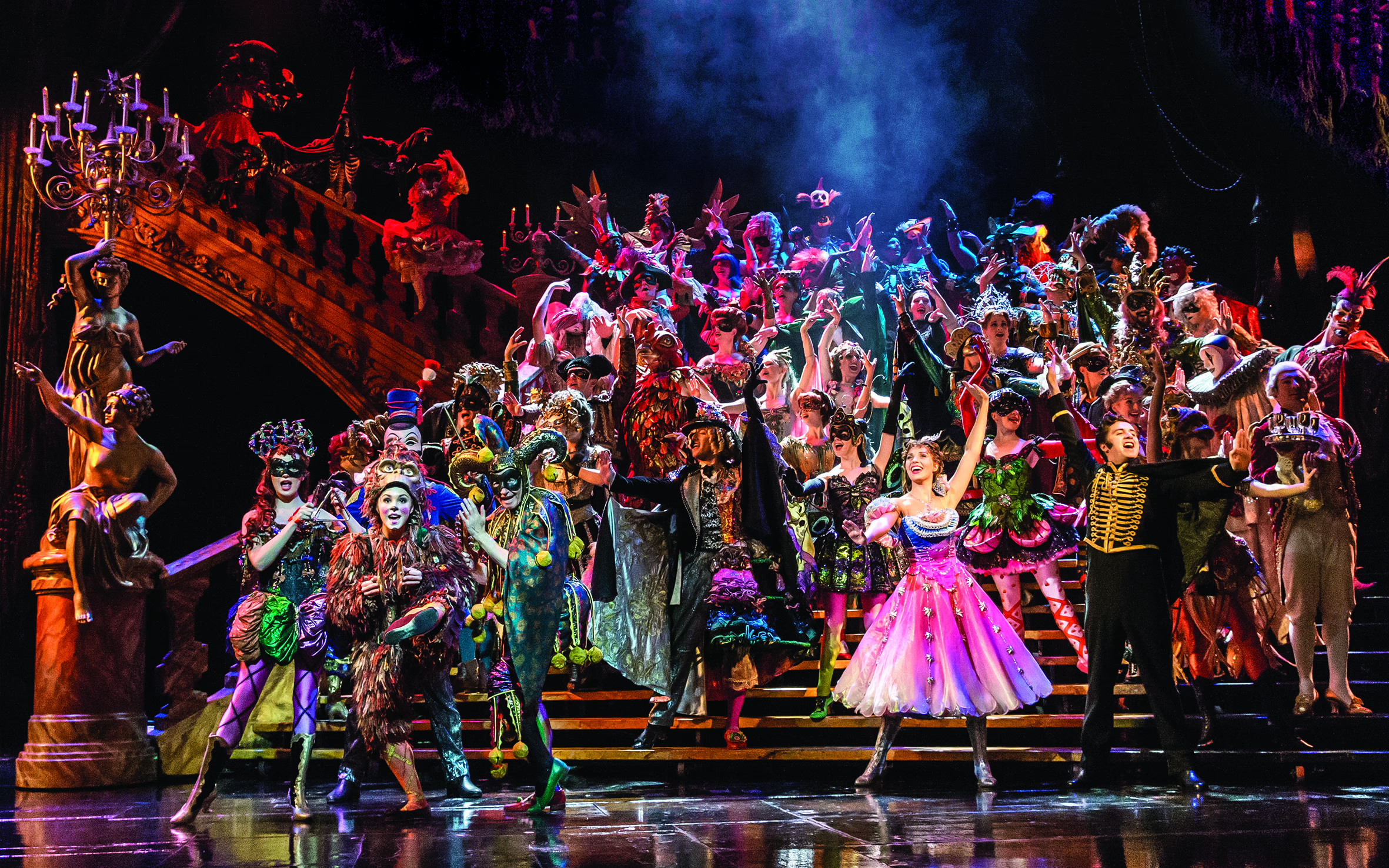
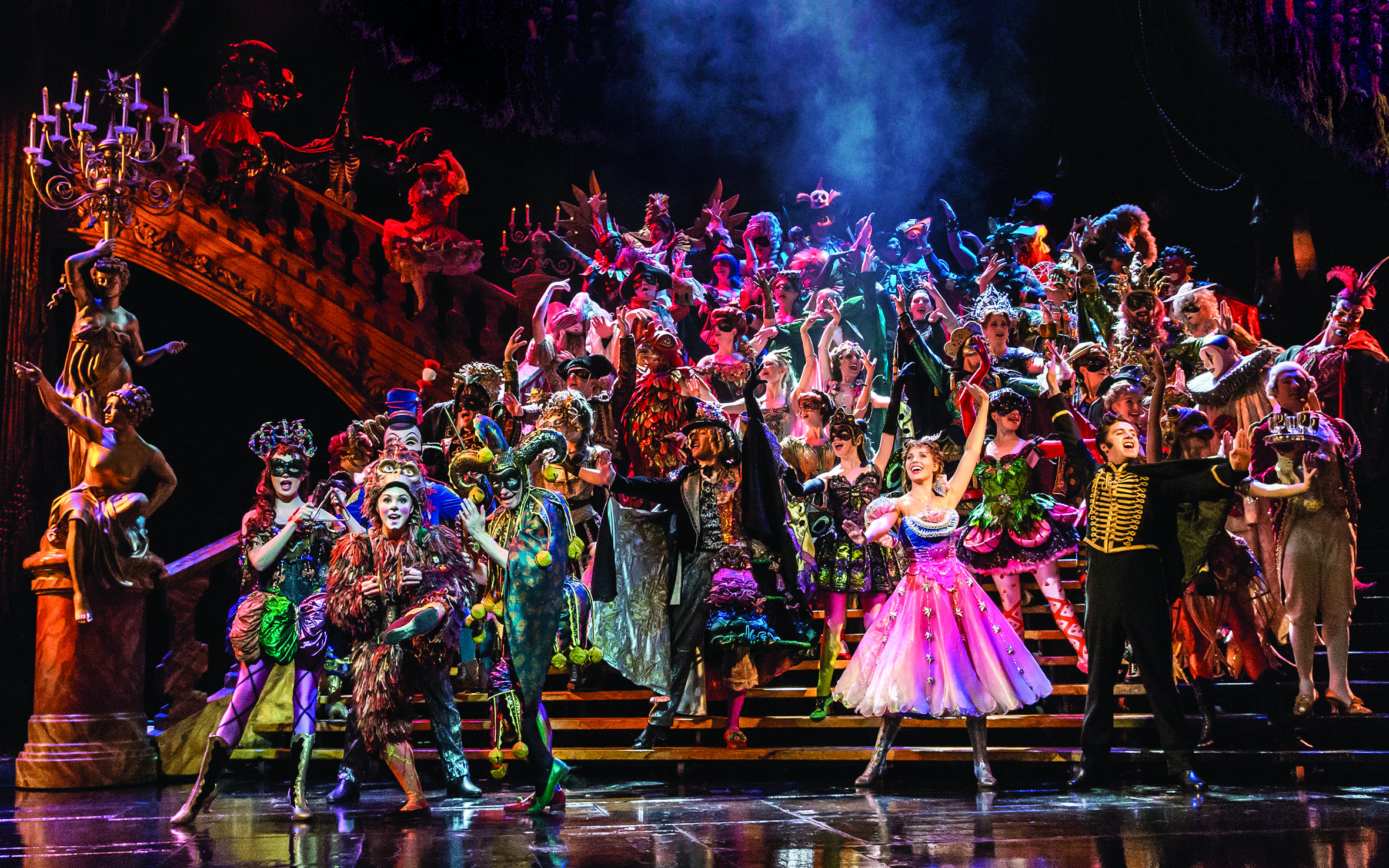
Despite its historic character, the main house has been equipped with modern technical infrastructure and has the stage depth and technical facilities to host the full range of large-scale touring productions. The proscenium stage is conventional in its configuration, and the fly tower above the stage supports the scene-changing demands of major touring musicals. Productions like Les Misérables, Wicked and The Phantom of the Opera have all toured to Bath, and the main house provides an appropriate environment for this scale of production.
The auditorium's proportions mean that no seat is very far from the stage, and even the Upper Circle positions offer a reasonable proximity that many large modern venues cannot match at equivalent price points. The acoustic quality in the main house is generally good, benefiting from the original construction and subsequent careful maintenance.
Stalls: The central Stalls from approximately rows D to M provide the most satisfying combination of proximity and overview. Front Stalls rows offer close views of the stage but can involve looking upward at elevated staging and lighting elements. The raked Stalls floor provides clear sightlines through most of the central area. Side Stalls positions near the boxes can involve some angle for action on the far side of the stage.
Dress Circle: The Dress Circle is elevated to a moderate degree and provides a good overview of the full stage picture. Central positions in the Dress Circle front rows are among the most valued seats in the house, offering the full stage width in view without the proximity issues of the front Stalls. This level provides a strong acoustic experience and an overview of any staging that benefits from being seen from above the stage level.
Upper Circle: The Upper Circle is at a greater elevation and more restricted in the range of prices available. Central positions in this level offer reasonable sightlines at reduced cost. Extreme side positions can involve restricted views and the elevation makes the stage feel more distant, but for audiences prioritising value the central Upper Circle is the most practical option.
The Ustinov Studio is Theatre Royal Bath's second performance space, located within the theatre complex but separate from the main house. It is a smaller, flexible studio theatre with a capacity of approximately 140 seats, operating on a different model from the main house and programming work of a different character.
The Ustinov Studio is the home of Theatre Royal Bath Productions, the theatre's in-house producing arm, which develops original work and co-productions with other producing theatres. The studio space has hosted productions that subsequently transferred to the West End and to touring, and it represents a different kind of theatrical experience from the large-scale touring productions in the main house.
For audiences interested in seeing new work, smaller-scale productions and performances that reflect the producing ambitions of a regional theatre rather than simply receiving touring shows, the Ustinov Studio offers a perspective on the Bath programme that the main house does not. Productions here are typically more intimate, more varied in subject matter and more likely to be genuinely new rather than well-established shows on the touring circuit.
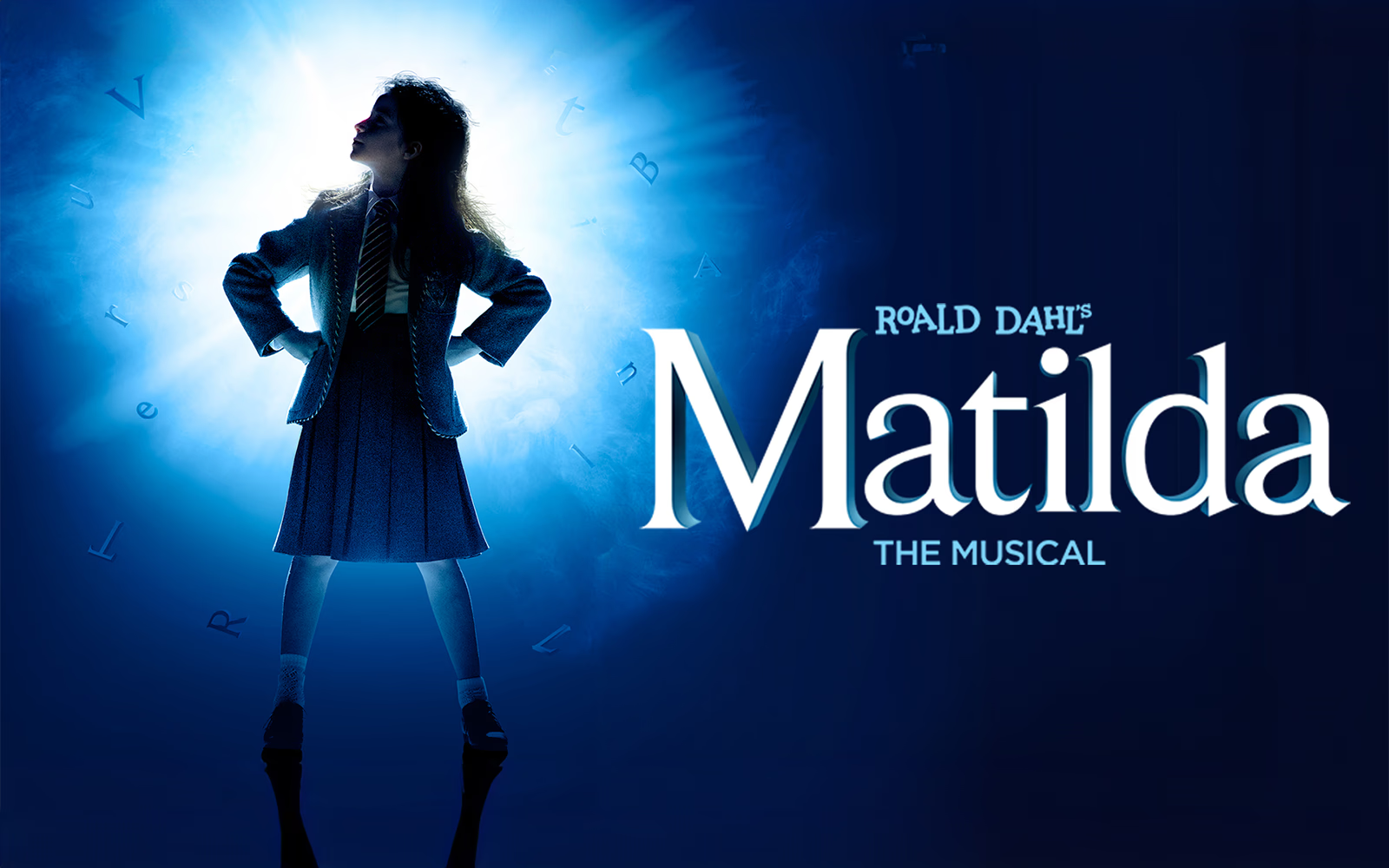
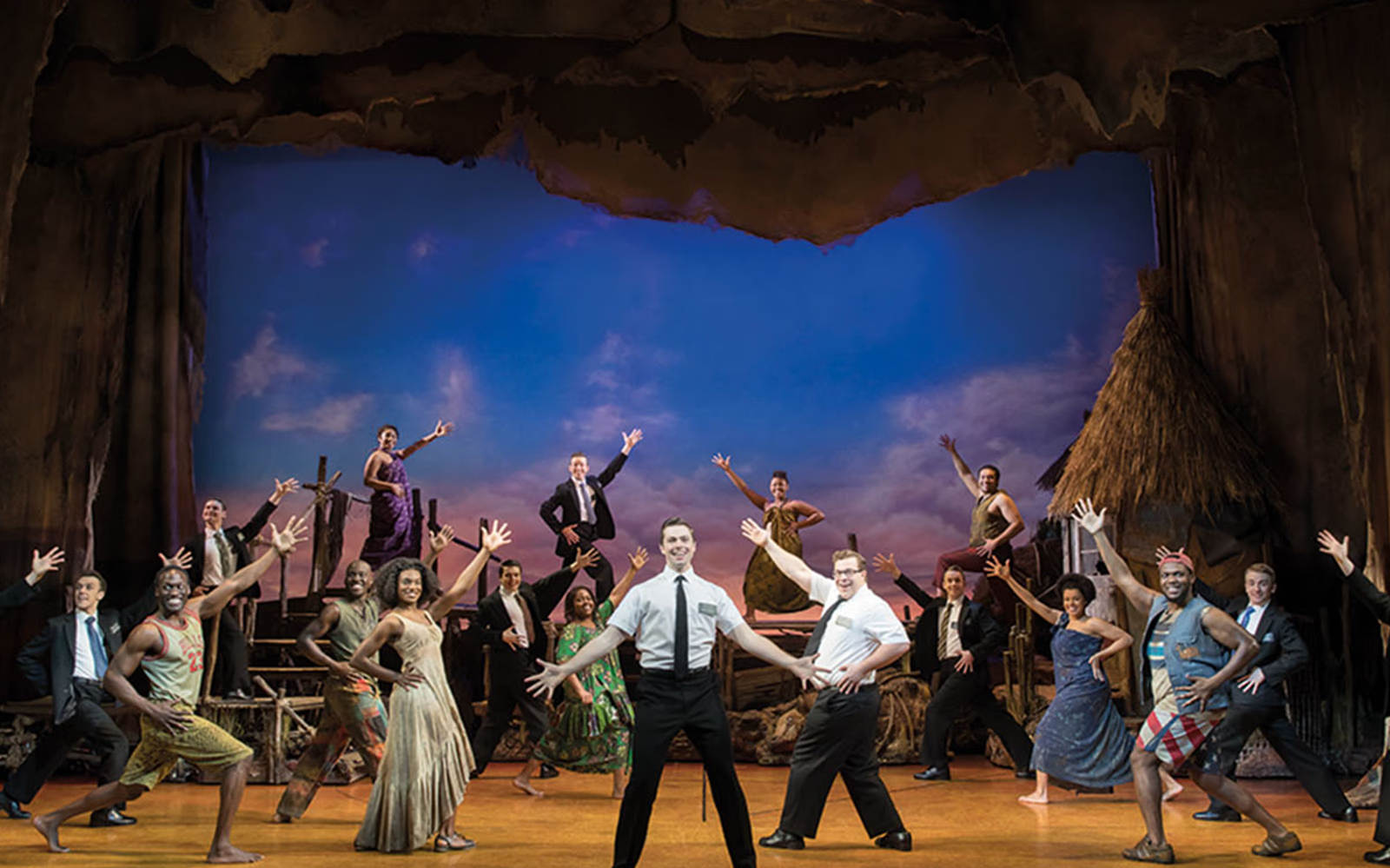
Theatre Royal Bath's main house receives productions from the national touring circuit throughout the year. The major commercial touring productions of West End musicals and plays visit Bath as part of extended national tours, and the programming typically includes several large musical productions each season alongside straight drama and other theatrical forms.
The touring schedule at Theatre Royal Bath is announced in advance, and the theatre's main house is one of the larger and more prestigious touring venues outside London, which means that major productions typically include Bath on their tour routes. Ticket prices for touring productions at Bath are generally lower than the equivalent West End performance of the same show, and for audiences in the South West, attending a production in Bath is a practical alternative to making a trip to London.
Hamilton and other high-profile touring productions have visited Theatre Royal Bath, reflecting the venue's standing in the national touring infrastructure. The combination of technical capability and the atmospheric Georgian interior makes it one of the most appealing venues on the touring circuit.
Theatre Royal Bath is located on Sawclose in the centre of Bath, approximately ten to twelve minutes on foot from Bath Spa railway station. Bath is served by Great Western Railway trains from London Paddington, with a journey time of approximately 90 minutes. Services also run from Bristol Temple Meads and other stations in the West of England.
Pre-theatre dining options are available throughout the city centre, and parking near the theatre is limited; public transport or staying locally is recommended. Bath city centre has pedestrian priority areas, and public transport from Bristol and other nearby towns provides a practical alternative for audiences not staying in Bath.
For the national touring programme and to find out when touring productions are scheduled to visit Theatre Royal Bath, BritishTheatre.com lists touring productions across all UK theatre venues. For the complete West End programme and productions that subsequently tour to venues including Theatre Royal Bath, tickadoo covers London shows with seat maps and pricing. tickadoo also offers theatre gift vouchers.
What is Theatre Royal Bath? Theatre Royal Bath is a historic touring theatre on Sawclose in Bath city centre, with a main auditorium seating approximately 900 people and a smaller studio space called the Ustinov Studio. The current building dates from 1805 and is one of the oldest working theatres in Britain.
What kinds of shows does Theatre Royal Bath programme? The main house receives major touring productions from the national circuit, including West End musicals and plays. The Ustinov Studio programmes smaller, more varied work through Theatre Royal Bath Productions, including co-productions and new writing.
How do I get to Theatre Royal Bath? Theatre Royal Bath is on Sawclose in the centre of Bath, approximately ten to twelve minutes on foot from Bath Spa railway station. Bath is approximately 90 minutes from London Paddington by Great Western Railway train.
What are the best seats at Theatre Royal Bath? The central Stalls from rows D to M and the front central rows of the Dress Circle are the most valued positions in the main house. The Dress Circle front rows provide a strong overview of the full stage, while the central mid-Stalls offer closer proximity to the performance.
Is Theatre Royal Bath worth visiting from London? Theatre Royal Bath is one of the finest regional touring venues in Britain. The 90-minute train journey from Paddington makes it accessible as a day or overnight trip, and tickets are generally lower-priced than equivalent West End performances.
Stay in the spotlight
Get the latest theatre news, reviews and exclusive offers straight to your inbox.