The Adelphi Theatre on the Strand is one of the oldest theatres in the West End and one of the most prominent. It sits in the eastern part of Theatreland where the Strand meets Covent Garden, in a part of London with an unbroken theatrical history stretching back several centuries. Visitors attending a production here are entering a building that has presented entertainment continuously since the early nineteenth century and which has hosted some of the most commercially significant productions in West End history. This guide covers the history of the Adelphi, what its auditorium is like, the best seats at different levels, how to get there and what first-time visitors need to know.
The Adelphi Theatre opened in 1806, originally under the name the Sans Pareil. It was founded by John Scott, a colour merchant who built the theatre partly to showcase the talents of his daughter Jane Scott, a writer and performer. The venue was renamed the Adelphi Theatre in 1819, taking its name from the Georgian residential development, designed by the Adam brothers, that stands nearby on the Strand.
The theatre has been rebuilt and significantly modified multiple times since its original opening. The current building, which dates from a major reconstruction in 1930, retains a façade and interior that reflect the Art Deco design sensibilities of that period, giving the Adelphi a distinctive architectural character that sets it apart from the Victorian theatres that dominate much of the West End.
Throughout the nineteenth and early twentieth centuries, the Adelphi developed a reputation for melodrama and popular entertainment. The Victorian Adelphi programme, with its appetite for sensation and spectacle, shaped public expectations of what theatrical entertainment could deliver, and the theatre's central Strand location made it accessible to large audiences from across London. In the twentieth century, the Adelphi became associated with large-scale musical productions, and this has remained its primary function.
The Adelphi Theatre has a capacity of approximately 1,500 seats across four levels. It is a mid-to-large venue by West End standards: significantly larger than the smaller intimate houses of Shaftesbury Avenue and comparable in capacity to the major musical houses, though smaller than the very largest auditoria in the West End such as the Theatre Royal Drury Lane or the Lyceum Theatre.
The auditorium's Art Deco design gives it a visual character that is warmer and more intimate in feeling than its capacity might suggest. The curves of the circle levels and the quality of the decorative detail create an environment that softens the scale of the house. The stage is wide and well-equipped technically, with the overhead and wing space that large-scale musical productions require. Productions staged here are designed for this environment and make full use of the theatrical resources the venue provides.
The acoustic design of the Adelphi suits musical productions. Sound carries clearly across the auditorium, which is important for a venue that hosts productions where the balance between a live band and amplified vocals needs to be managed across a range of different seat positions.
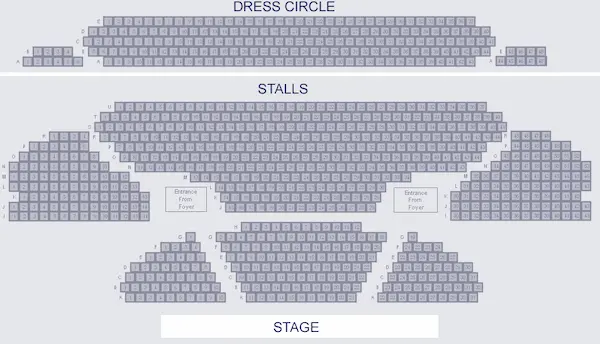
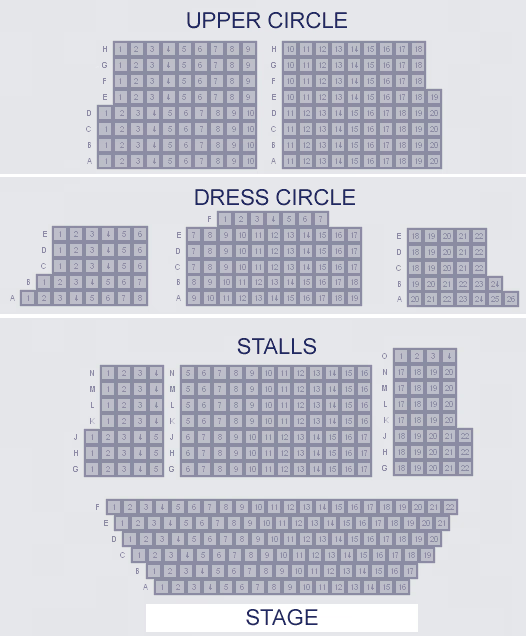
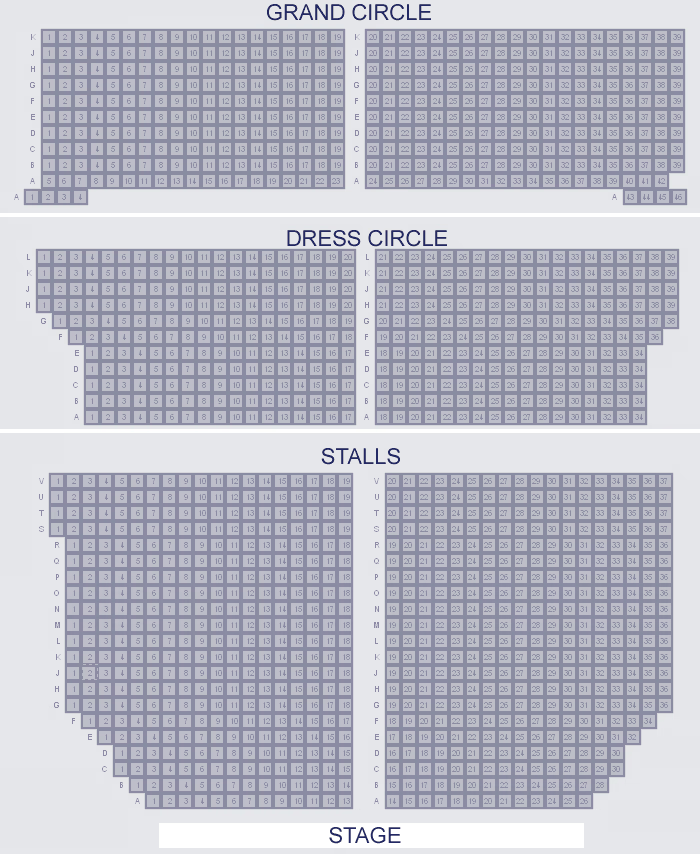
The Adelphi has four seating levels: Stalls, Royal Circle, Grand Circle and Balcony. At this scale, the level and position within it both matter significantly.
Stalls is the ground floor and the largest seating area. The rake in the Stalls is moderate, giving reasonable sightlines to the rear rows, though the very back of the Stalls is at some distance from the stage. The mid-Stalls central block is the most recommended position for audiences who want the most direct engagement with the production: rows in the middle range give clear sightlines to the full stage and a strong sense of connection with the performers. Front-row Stalls is close to the stage and gives an intense experience, though some audience members find the angle uncomfortable for productions with significant aerial or overhead staging.
For shows with strong choreography and full-width staging, the central Stalls from approximately rows F to P provide the combination of proximity and full-stage visibility that suits this kind of production best. Seats at the sides of the Stalls, particularly those beyond the central block, begin to lose sight of stage edges for productions that use the full width of the playing area.
Royal Circle is the first balcony and offers an elevated perspective on the stage that suits productions with complex staging. The front rows of the central Royal Circle are among the most sought-after positions in the house, giving a clear view of the complete stage picture and the kind of overview that reveals the full choreographic and design ambition of a production. The Royal Circle is a practical choice for audiences attending productions for the second time who want to see the staging from a different perspective, and also the best level for audiences who prefer to see the complete visual composition of a show rather than the close-up of the Stalls.
Grand Circle is the second balcony. Seating here is affordable and provides a panoramic view, though the physical distance from the stage is greater than from the Royal Circle. Central positions in the Grand Circle maintain clear sightlines to the full stage, and for large-scale productions where the visual composition of the staging is the primary appeal, the Grand Circle delivers a complete picture. For audiences where price is the primary consideration, the central Grand Circle is the practical choice.
Balcony is the highest level and the most affordable. The Balcony sits above the action at a considerable distance from the stage, and the connection with individual performers is most limited here. The acoustics at this level remain serviceable, but the physical remoteness from the production means that the Balcony suits audiences who are more interested in experiencing the show than in close engagement with performance detail.
At all levels, central positions are strongly preferable to restricted-view side seats. Productions at the Adelphi use the full width of the stage, and side seats that cut off part of the stage represent a significant loss of the experience.
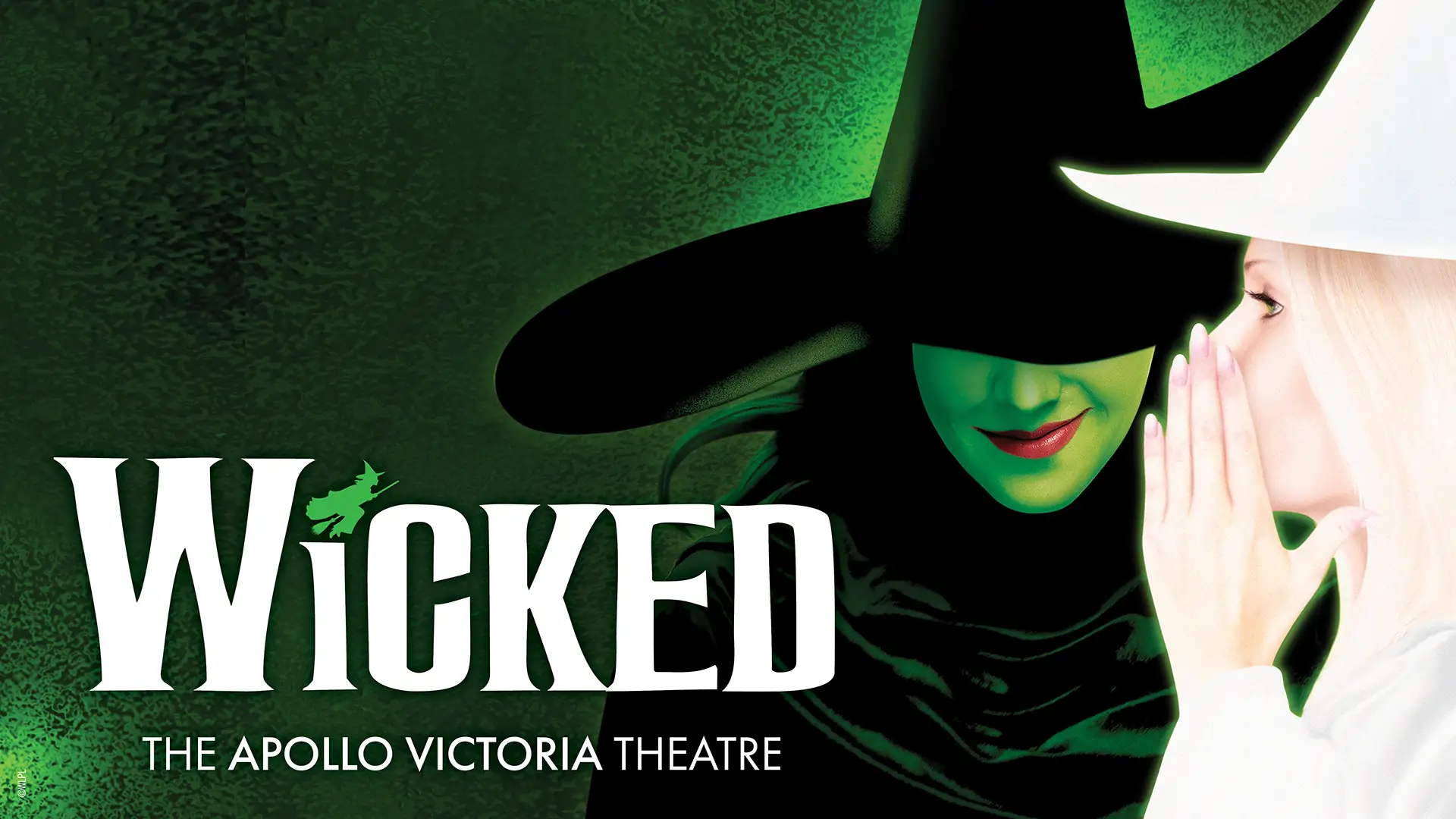
The Adelphi Theatre has hosted major musical productions throughout its recent history, with a programme of large-scale shows that represent the mainstream of West End musical theatre. The scale of the venue suits productions of the kind that also appear at comparably sized houses: shows with large casts, substantial orchestras and production designs that use the full technical capacity of the building. Visitors who have attended productions like Hamilton or Wicked at other major West End venues will find the Adelphi's auditorium of broadly comparable scale and character.
The current production and upcoming programme are detailed on the Adelphi Theatre's own page at BritishTheatre.com, where the full West End schedule is listed.
The Adelphi Theatre is at 409 Strand, London WC2R 0NS. The nearest Underground station is Charing Cross (Bakerloo and Northern lines, also served by National Rail), approximately five minutes on foot. Covent Garden (Piccadilly line) is around ten minutes on foot heading east along the Strand; Embankment (Circle, District and Bakerloo lines) is also within ten minutes. The Strand is in the London Congestion Charge zone; public transport is recommended for arriving close to curtain-up time as parking in the immediate area is limited.
The eastern part of the Strand and the surrounding Covent Garden area offer extensive pre-theatre dining options, from casual options to more formal restaurants, all within a short walk.
For tickets to productions at the Adelphi Theatre, tickadoo covers full seat availability with an interactive seat map and pricing at all levels. The central positions at any level book early for major productions; advance booking is recommended, particularly for weekend performances and popular runs. For the complete West End programme and a full list of current productions, BritishTheatre.com covers all venues and shows, and tickadoo also offers theatre gift vouchers.
What is the Adelphi Theatre? The Adelphi Theatre is a major West End venue on the Strand, originally opened in 1806 and rebuilt in its current Art Deco form in 1930. It has a capacity of approximately 1,500 seats and hosts large-scale musical productions.
Where is the Adelphi Theatre? The Adelphi Theatre is at 409 Strand, London WC2R 0NS. The nearest Underground station is Charing Cross, approximately five minutes on foot.
What are the best seats at the Adelphi Theatre? The mid-Stalls central block and the front central rows of the Royal Circle provide the strongest combination of proximity and clear sightlines. Central positions at any level are preferable to restricted-view side seats.
How many seats does the Adelphi Theatre have? The Adelphi Theatre has approximately 1,500 seats across four levels: Stalls, Royal Circle, Grand Circle and Balcony.
What is the history of the Adelphi Theatre? The Adelphi opened in 1806 as the Sans Pareil, was renamed the Adelphi Theatre in 1819, and has been rebuilt several times since. The current building dates from 1930 and has an Art Deco interior. It is one of the oldest continuously operating theatrical venues in the West End.
Stay in the spotlight
Get the latest theatre news, reviews and exclusive offers straight to your inbox.