Going to the theatre alone is more common than it might appear from the outside, and among regular theatregoers it is often regarded as one of the more pleasurable ways to experience a production. For people who have never tried it, the idea can seem slightly awkward: theatre is understood as a social occasion, something done with friends, family or a partner, and arriving at the interval bar alone can feel exposed in a way that going to the cinema alone does not. But the reality of solo theatre-going is rather different from this apprehension suggests, and for audiences who care seriously about the experience of watching a performance, there are specific advantages to attending alone that are worth understanding.
The most fundamental argument for solo theatre is that the experience of watching a performance is, in the end, an individual one. However much you are sitting next to another person in a shared seat row, the engagement between you and what is happening on stage is personal and interior. A companion adds the social dimension of the occasion but does not add to that interior experience, and can sometimes detract from it: the awareness of whether your companion is enjoying the show, the self-consciousness about expressing your own responses, the inevitable interval conversation that interrupts rather than extends your engagement with the material.
Attending alone removes these competing awarenesses. The experience of a show like Hadestown or Les Misérables at close quarters, without the social management that a companion requires, can be significantly more absorbing. You watch when you want to watch and look where you want to look. You can close your eyes during a song if that is how you absorb music. You can be moved without managing anyone else's impression of the fact that you are moved. The performance reaches you more directly, and for productions of real quality, that directness makes a difference.
Beyond the experiential argument, solo theatre-going has practical advantages that are underappreciated by people who have not tried it.
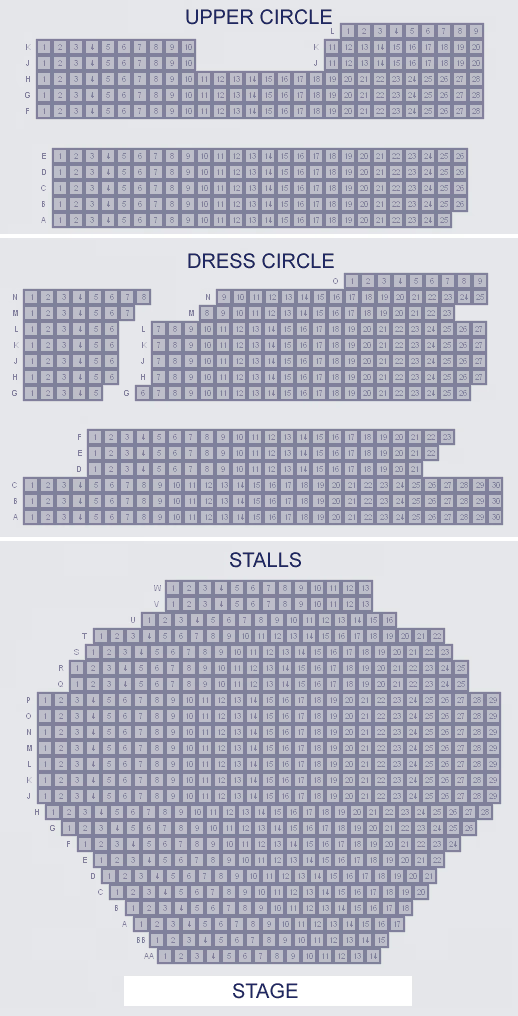
Single seats are easier to book. In any popular production, pairs and larger groups of seats at good locations sell faster than single seats, and the odd single seat in the middle of an otherwise-sold row is often available when everything else is gone. Regular solo attendees find that excellent seats at short notice are available to them in circumstances where a companion would have meant settling for something much less good. The last good seat in the mid-Stalls of a sold-out Hamilton performance is a single seat, and it belongs to whoever is flexible enough to want it.
There is also the freedom that comes with not having to negotiate someone else's preferences. When you attend alone, you book what you want, when you want, without the extended discussion about whether this Saturday is good, whether the show is something your companion will enjoy and whether the ticket price is reasonable for both of you. You see more theatre as a result, more freely, and with less of the friction that social coordination involves.
The interval is the part of a solo theatre visit that causes the most apprehension for first-timers, and it is the part that matters least in practice. The bar at a West End theatre at interval is busy, social and largely indifferent to whether individuals are alone or accompanied. Buying a drink and finding a place to stand is not a socially marked activity, and no one is paying particular attention to whether you are with someone.
For solo theatregoers who want something to do during the interval, a programme provides useful reading material and something to hold. Checking the cast list, reading the director's note and reviewing the production photographs is a natural twenty-minute interval activity, and it extends the engagement with the material rather than interrupting it.
Some solo theatregoers use the interval to jot down thoughts about what they have seen in the first half, or simply to stand and think through what the production has done so far. The interval becomes an extension of the experience rather than an awkward social gap to fill.
Almost any show can be attended alone, but certain types of production suit the solo experience particularly well.
Productions with emotional or psychological depth are especially rewarding when attended alone. A show that challenges you intellectually or moves you emotionally will do so more completely without the social awareness that a companion creates. Les Misérables, Hamilton and other productions of genuine substance reward the kind of focused attention that solo attendance facilitates.
Productions at smaller venues are particularly suited to solo visits. An intimate space like the Donmar Warehouse or the Old Vic Theatre at a quieter performance has an atmosphere that suits individual concentration, and the physical proximity to the performance means the solo experience is correspondingly intense.
Longer shows also benefit from solo attendance. A three-hour production is more manageable as a solo experience than a social event: there is less pressure to keep up a conversation before, during and after, and the complete engagement the show requires is more sustainable when you are attending only for your own benefit.
The stage door, which many theatregoers visit after performances to meet cast members, is particularly natural for solo attendees. The informal gathering outside the stage door is made up largely of individual theatregoers rather than groups, and arriving alone is completely normal. The conversation that develops while waiting is often between strangers who have simply attended the same performance and want to talk about it, and this kind of spontaneous exchange about a shared experience is one of the more pleasurable accidental social outcomes of solo theatre-going.
For anyone who has not yet attended theatre alone, the most direct advice is simply to choose a show you have been wanting to see and book a single seat for it. The first solo visit tends to feel more notable in anticipation than it does in practice: once inside the theatre and engaged with what is happening on stage, the absence of a companion is simply the absence of a distraction, and what remains is the performance and your response to it.
For the full West End programme and to find single-seat availability at all major venues, BritishTheatre.com lists all current productions. tickadoo provides seat maps with single-seat availability highlighted, making it easy to find the best available single positions at any production. tickadoo also offers theatre gift vouchers, which can be a practical option for solo theatregoers who want flexibility rather than a pre-booked production.
Is it normal to go to the theatre alone? Yes. Solo theatre attendance is common among regular theatregoers, and in London the mix of solo and group attendees at any West End performance is broad. Being alone is not socially marked in a theatre environment in the way that it might be in some other settings.
Is it better to sit next to someone you know at the theatre? Not necessarily. The experience of watching a performance is fundamentally individual, and being with a companion adds social dimension without necessarily improving the quality of the experience. Many regular theatregoers find that productions of real quality are more absorbing when attended alone.
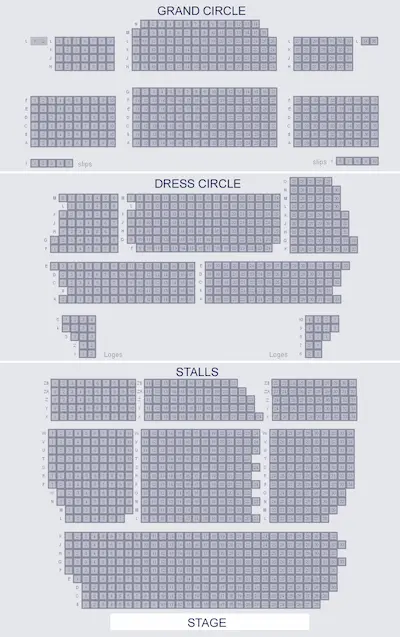
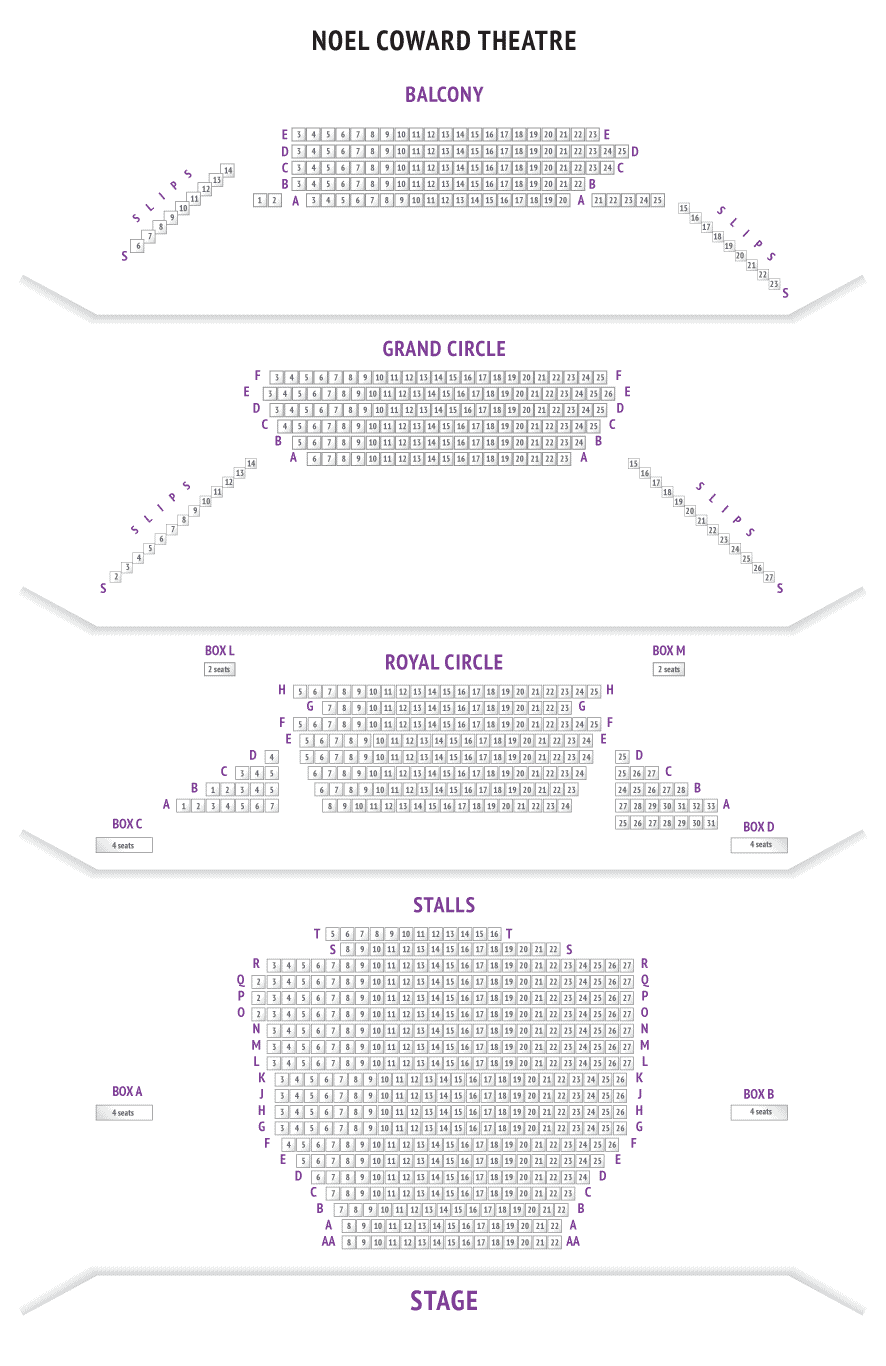
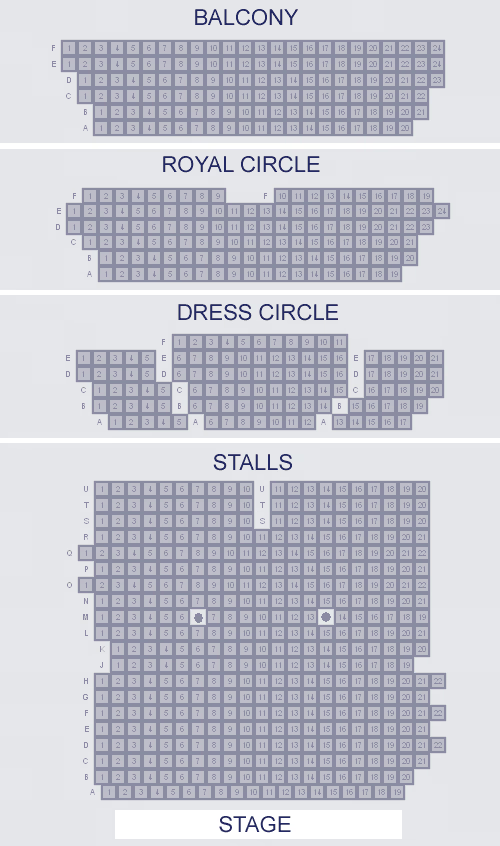
Where should I sit if I am going to the theatre alone? Single seats in good central positions are often available even when pairs and groups of seats are sold out. A single seat in the mid-Stalls central block or front central rows of the Dress Circle represents an excellent experience regardless of whether you have a companion.
What do I do during the interval if I am alone? Reading a programme, getting a drink and standing at the interval bar is entirely natural for solo theatregoers. Many solo attendees find the interval a useful time to process what they have seen in the first half rather than an awkward gap to fill.
What is the best West End show to see alone? Productions with emotional or psychological depth suit the solo experience particularly well. Hadestown, Les Misérables and productions at intimate venues are among the strongest choices for first-time solo theatregoers.
Stay in the spotlight
Get the latest theatre news, reviews and exclusive offers straight to your inbox.