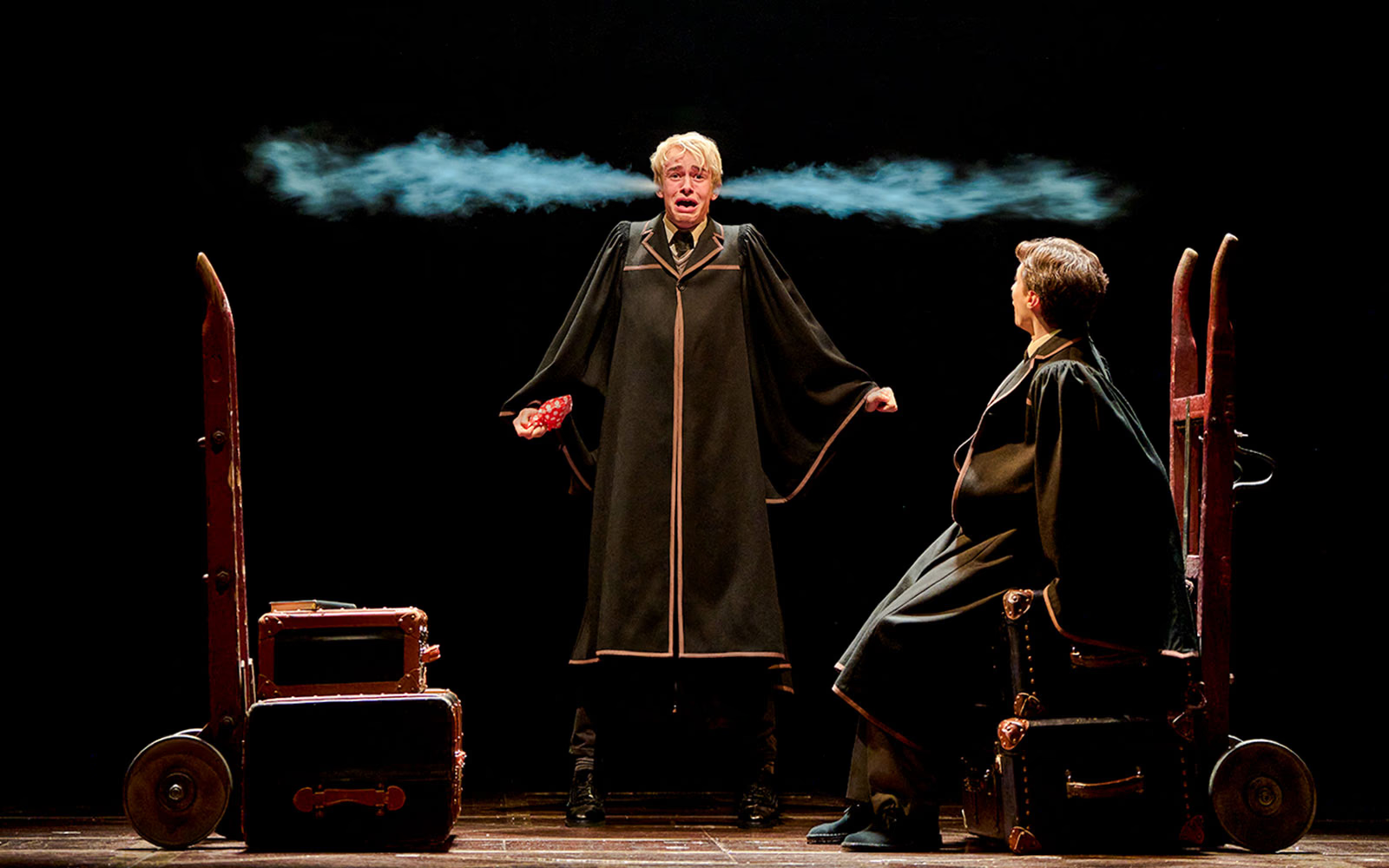
The Palace Theatre on Cambridge Circus is one of the most historically significant buildings in the West End, a grand Victorian theatre that has hosted some of the most celebrated productions in London's theatrical history. This guide covers the theatre's history, the auditorium layout and seating advice, access information and practical tips for visiting.
The Palace Theatre sits at Cambridge Circus, London WC2H 8AG, at the point where Shaftesbury Avenue meets Charing Cross Road at the centre of Theatreland. The building was designed by the architects Collcutt and Holloway and opened in 1891, originally as the Royal English Opera House. The ambition of the original project, to establish a home for English opera comparable to the grand European opera houses, did not survive beyond its first year. After a brief period under various names, the building settled as the Palace Theatre in 1911 and has operated as a major West End receiving and producing venue since then.
The theatre's Victorian facade is one of the most recognisable in London: a richly detailed terracotta exterior in red and buff, with towers at either corner and a decorative programme that reflects the architectural confidence of the late Victorian period. The building is Grade II* listed and has been substantially refurbished on several occasions while retaining the essential character of the original design.
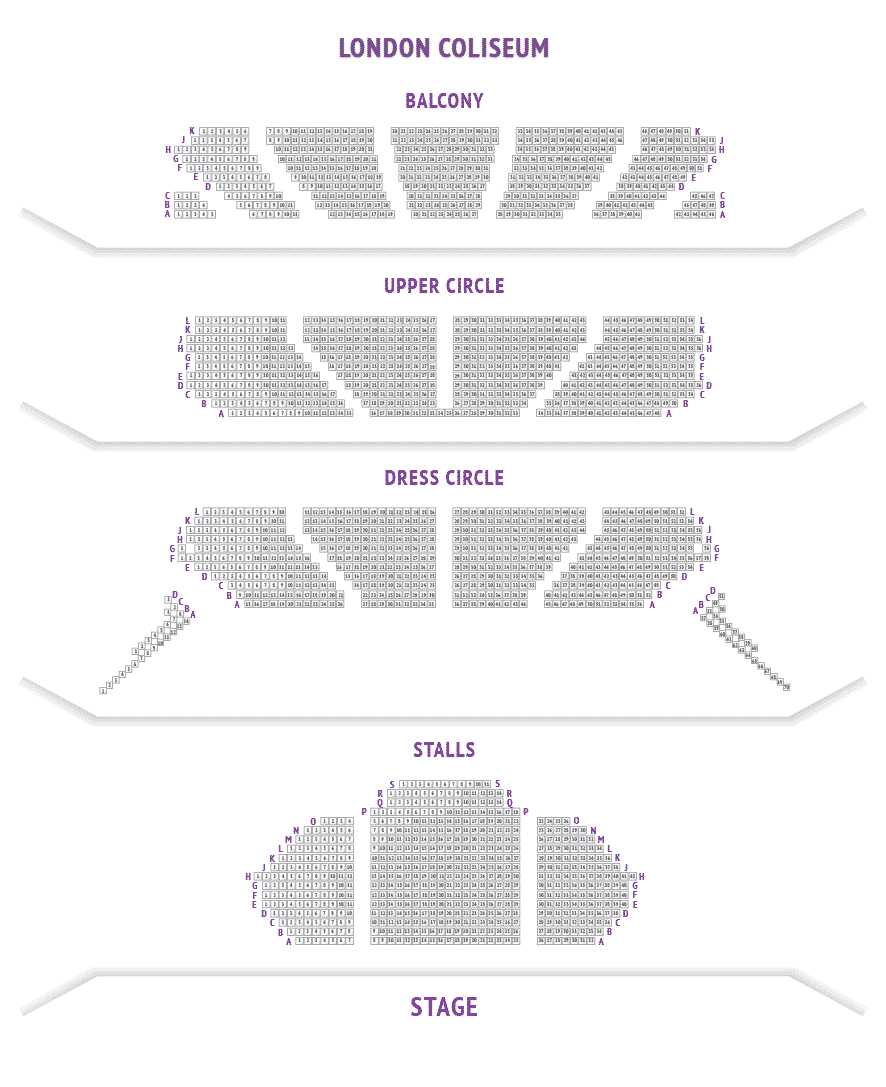
The Palace Theatre seats approximately 1,400 people across four levels: Stalls, Royal Circle, Grand Circle and Balcony.
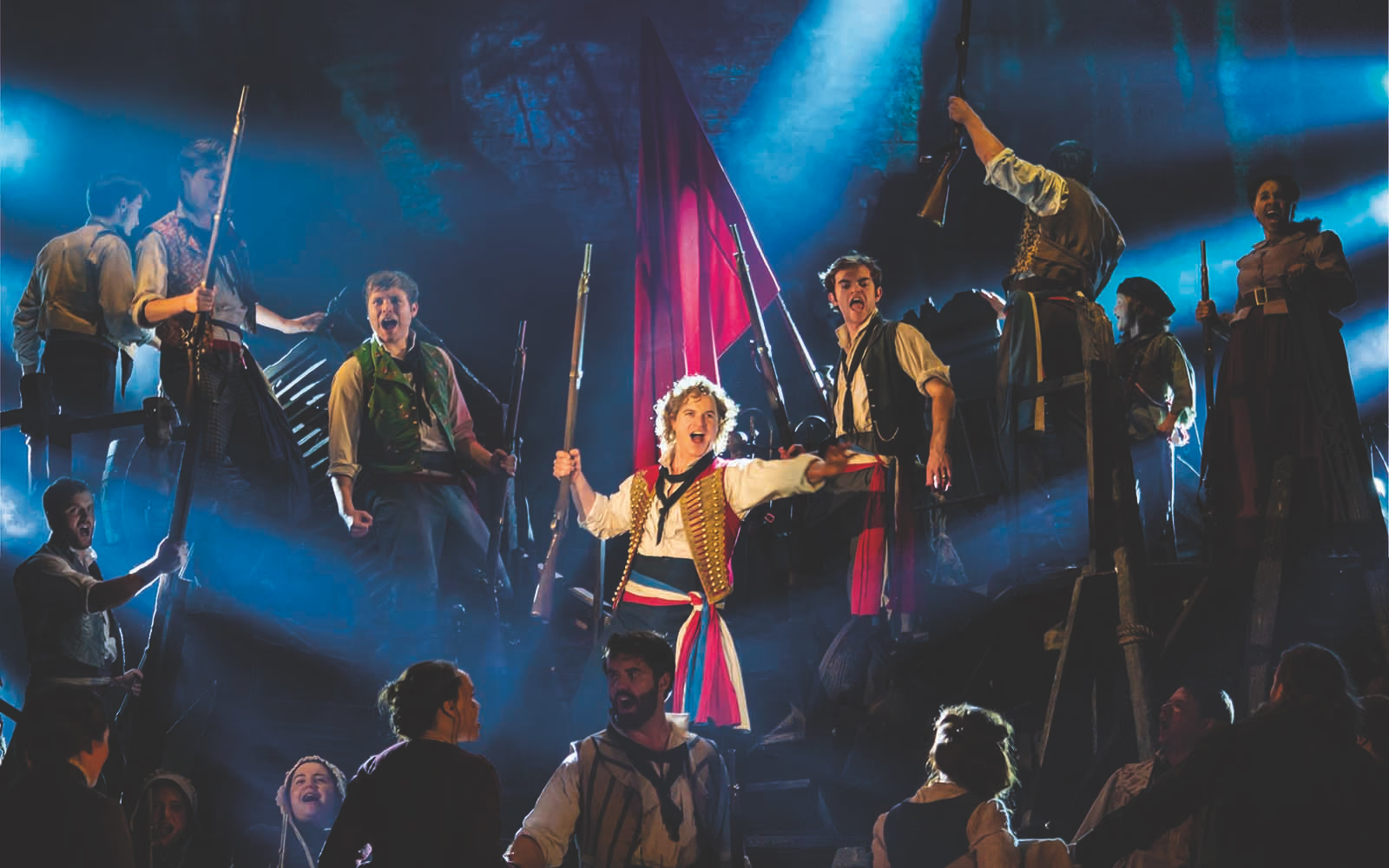
The Palace Theatre has been home to some of the most significant productions in West End history. The show with the longest and most celebrated association with the building is Les Misérables, which played at the Palace for many years before the production moved to its current home at the Sondheim Theatre. The Palace was also home to the original London production of Jesus Christ Superstar, among other landmark productions.
The current resident production is Harry Potter and the Cursed Child, which has been at the Palace Theatre since 2016. The choice of this building for the production is particularly fitting: the scale of the auditorium, the drama of the architecture and the sense of occasion the building brings to a performance are all suited to a production of this ambition.
Harry Potter and the Cursed Child is the resident production at the Palace Theatre and one of the most significant shows in the current West End programme. The play, which follows Harry Potter's son Albus and his friendship with Draco Malfoy's son Scorpius, takes place nineteen years after the events of the main Harry Potter series.
The show's theatrical achievements have been widely praised: the staging of magic through illusions, practical effects, movement and lighting creates a live experience that is fundamentally different from the film adaptations, and the full-scale nature of the Palace Theatre's auditorium is deployed to extraordinary effect in several key sequences. The production was originally staged in two parts; the restructured single-performance format is what audiences see at the Palace today.
Age guidance is ten years and above. The show is recommended for audience members who have some familiarity with the Harry Potter books or films, though the narrative is explained clearly within the production itself.
The Palace Theatre's auditorium is one of the largest in the West End. Four levels create significant vertical presence in the house, and the scale of the stage area is substantial. The original Victorian proportions have been preserved across refurbishments, giving the theatre a particular character that more modern West End buildings do not have.
Stalls is the ground floor, raked from front to back for good sightlines across the level. The mid-Stalls central section (approximately rows D or E through to row M or N) gives the strongest combination of proximity to the stage and a comfortable viewing angle. The very front rows are very close to the stage and excellent for audience members who want an immersive experience, though certain stage elements designed to use the full height of the Palace's fly tower are more effective from slightly further back. The rear Stalls benefits from the rake and maintains a clear view even from further back.
Royal Circle is the first balcony and one of the most popular levels at the Palace. The elevated perspective provides a full view of the stage picture, including the spatial depth and vertical elements of productions like Harry Potter, and the distance from the performers is close enough for the detail of performances to be clearly visible. The front central rows of the Royal Circle are among the most sought-after positions in the house.
Grand Circle is the second balcony and offers the widest panoramic view of the full staging. The distance from the performers is greater than the lower levels, but for productions that use the full width and height of the stage, the Grand Circle central section delivers a very clear overview. The price point is the most accessible in the house at this level.
Balcony is the highest level and the most affordable. The physical distance from the stage is significant, and this level is most appropriate for repeat visits when you already know the show. For a first visit to any production at the Palace, the Balcony requires the most tolerance of distance from the performers.
Restricted-view positions at the Palace Theatre are primarily at the sides of the Stalls and Circle levels, where pillars or the angle of the seat places part of the stage out of sightline. These are clearly indicated during the booking process. For a first visit, avoiding restricted-view seats is strongly advisable. The staging of Harry Potter uses the full width and height of the stage, and a restricted sightline will mean missing elements of key sequences.
The Palace Theatre has access provisions across its main levels.
Step-free access is available to the Stalls level. The box office should be contacted in advance to confirm the access route and to arrange the most suitable seating.
Wheelchair spaces are available in the Stalls. These should be booked through the box office directly rather than through the standard online booking process, to ensure the appropriate seating and access arrangements are confirmed.
Hearing loops are fitted in the Stalls and parts of the Royal Circle. Audience members with hearing aids using a T-setting should contact the box office for advice on the positions with the strongest loop signal.
Audio described, captioned and relaxed performances of Harry Potter and the Cursed Child are scheduled throughout the year. Dates are confirmed in advance and should be checked when booking for a specific access need.
By Underground: Leicester Square station (Northern and Piccadilly lines) is approximately five to eight minutes on foot. Covent Garden station (Piccadilly line) is a similar distance. Tottenham Court Road station (Central and Northern lines) is also within walking distance, roughly eight to ten minutes along Charing Cross Road.
By bus: Charing Cross Road and Shaftesbury Avenue are both served by multiple bus routes. Cambridge Circus is directly on the junction of these two roads, making it straightforward to reach by bus from many directions.
By National Rail: Charing Cross station is approximately twelve minutes on foot.
By car: Cambridge Circus is within the London Congestion Charge zone. Parking is very limited. Public transport is strongly recommended.
Cambridge Circus and the surrounding streets offer a wide range of pre- and post-theatre dining options. Chinatown is immediately to the north on Gerrard Street, with a high concentration of restaurants at various price points. Soho is a few minutes' walk to the west, with a very wide range of restaurants and bars. The Covent Garden area is accessible by walking east along Long Acre.
At approximately 1,400 seats, the Palace Theatre is among the larger receiving houses in the West End. It is larger than the Sondheim Theatre (approximately 1,100 seats) and Cambridge Theatre (approximately 1,200 seats), though smaller than the very largest houses like the Lyceum Theatre. The four-level auditorium is one of the distinctive features of the building and gives the Palace a particular grandeur that not all West End theatres have.
Where is the Palace Theatre? The Palace Theatre is at Cambridge Circus, London WC2H 8AG. The nearest Underground stations are Leicester Square and Covent Garden.
What is on at the Palace Theatre? Harry Potter and the Cursed Child has been the resident production at the Palace Theatre since 2016. For the current schedule, BritishTheatre.com covers the full West End programme.
What are the best seats at the Palace Theatre? The front rows of the Royal Circle central section and the mid-Stalls central block are the most sought-after positions. Both offer clear sightlines and strong engagement with the performances. The Grand Circle central section is the best-value option with a clear panoramic view.
Is the Palace Theatre accessible for wheelchair users? The Stalls level has step-free access and dedicated wheelchair spaces. Contact the box office directly to confirm access arrangements before booking.
How many seats does the Palace Theatre have? The Palace Theatre seats approximately 1,400 people across Stalls, Royal Circle, Grand Circle and Balcony.
For tickets to productions at the Palace Theatre and across all West End venues, tickadoo covers full availability with seat maps and pricing. tickadoo also covers gift vouchers for theatre occasions.
Stay in the spotlight
Get the latest theatre news, reviews and exclusive offers straight to your inbox.