The West End is London's commercial theatre centre, but it does not represent the full range of what the city offers theatrically. London's Off-West End and subsidised sector contains some of the most significant theatre in the country, including venues that have produced work which has reshaped British theatre over decades and sent productions around the world. For audiences who have exhausted the West End programme or who are looking for something outside the commercial circuit, this guide covers the key venues and what each offers.
The term "Off-West End" in London covers a broad category of theatre that sits outside the traditional West End commercial circuit. This includes the major subsidised houses (funded by Arts Council England and other public bodies), independent producing theatres and studio theatres. The venues range from the National Theatre, one of the largest theatre complexes in the world, to 100-seat studio spaces attached to pubs.
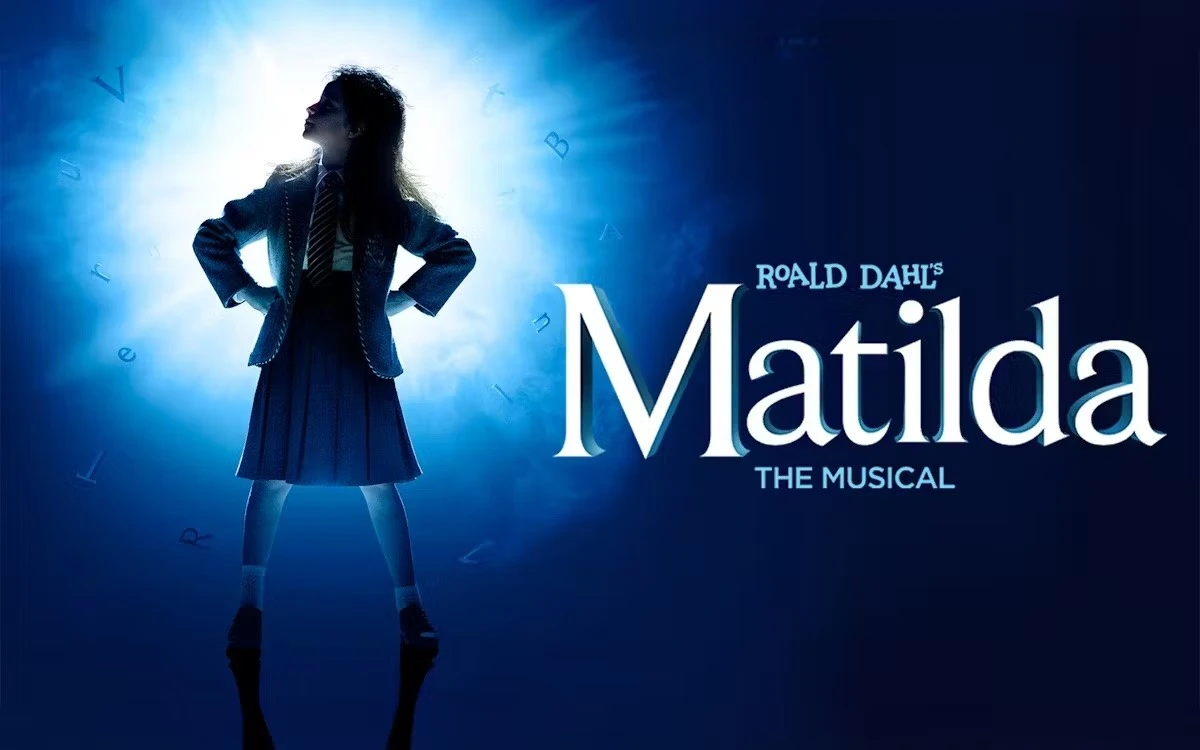
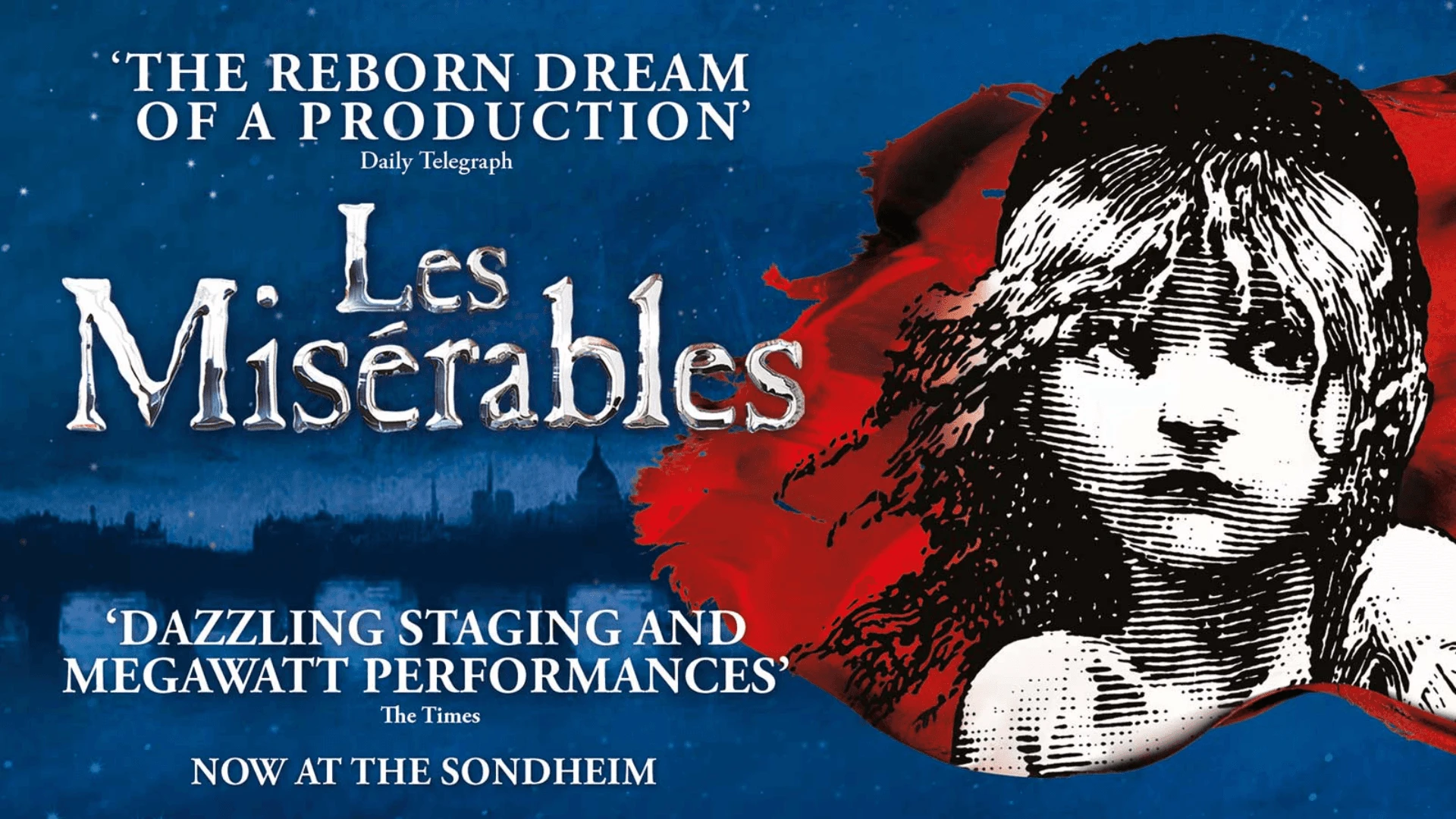
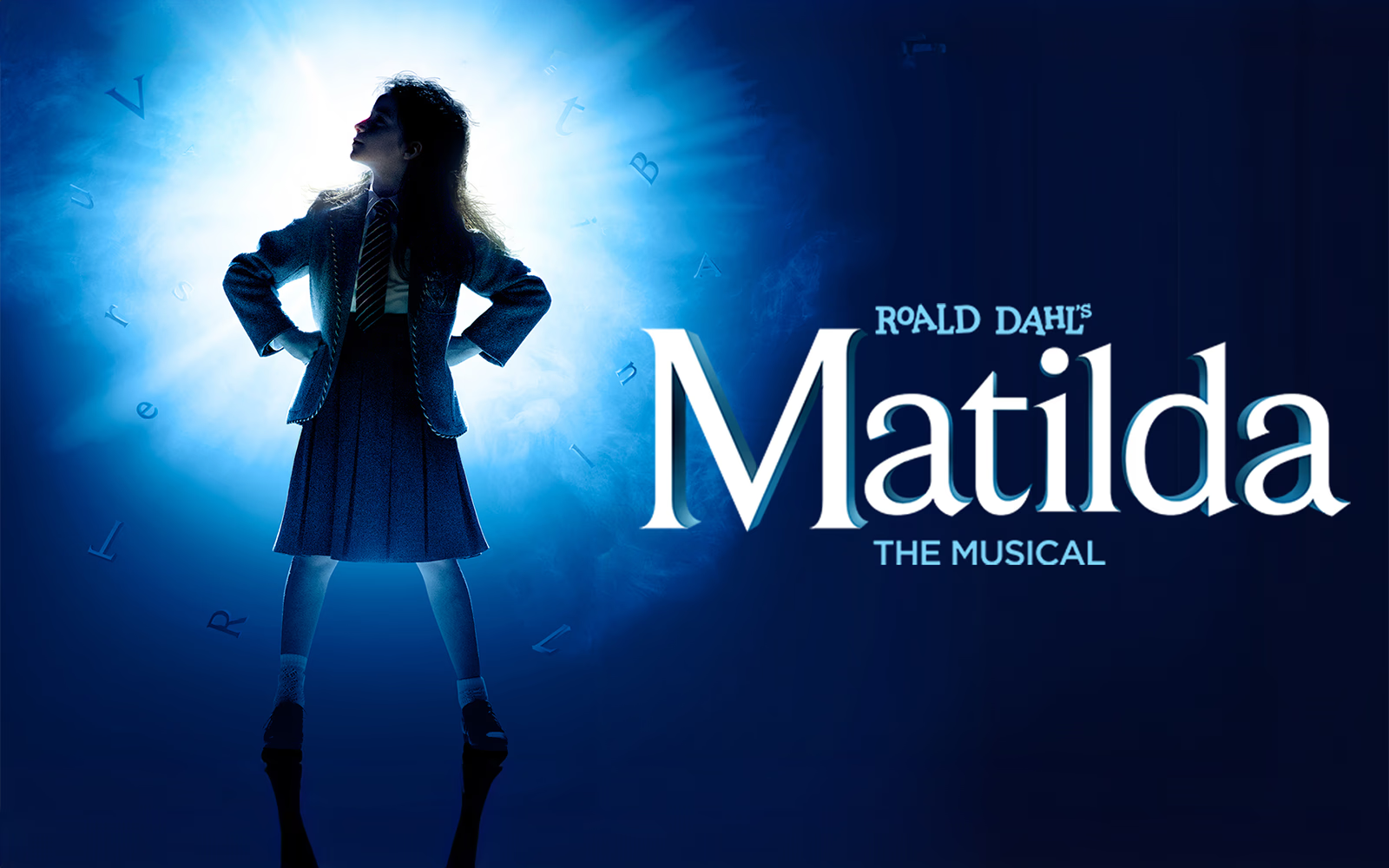
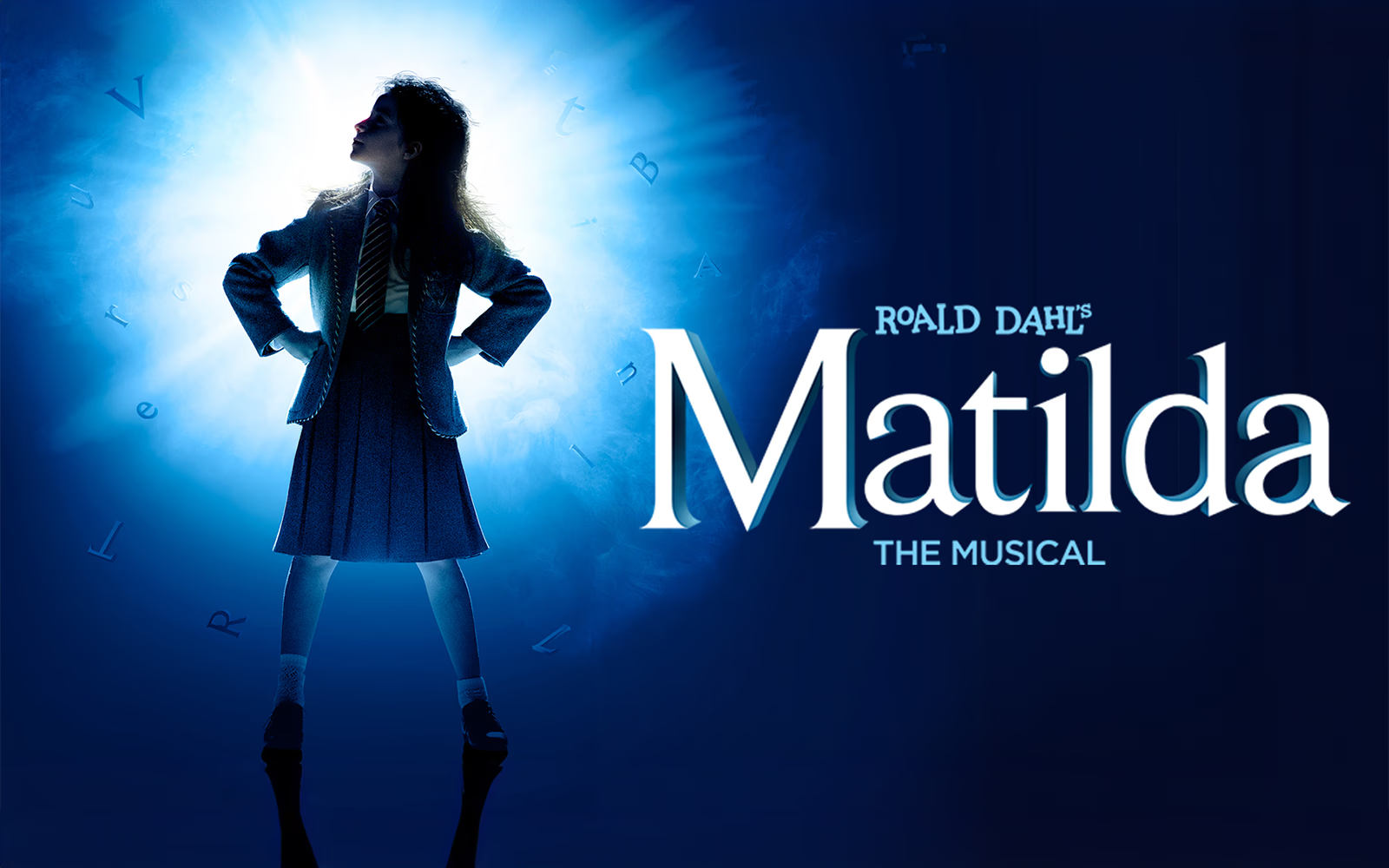
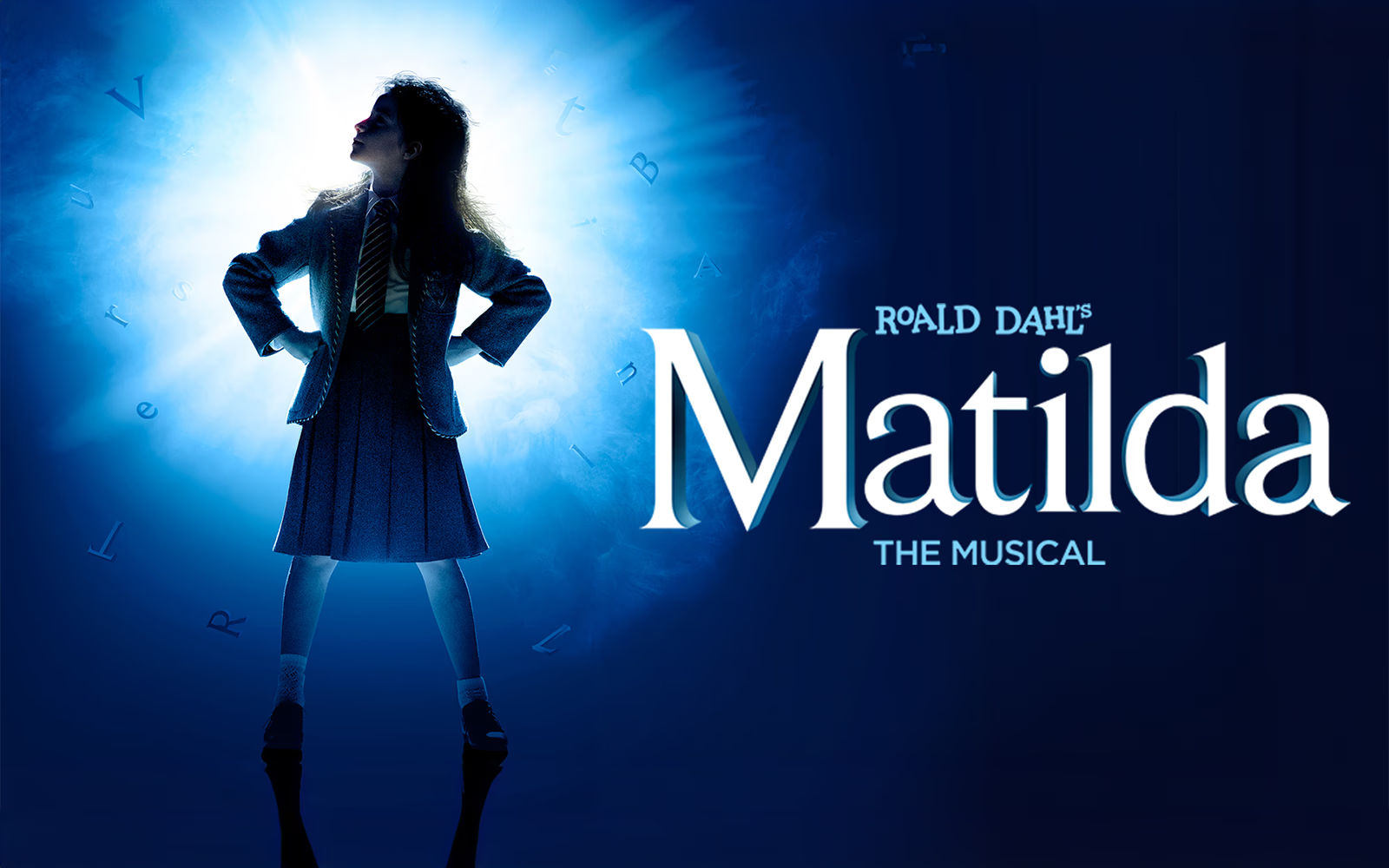
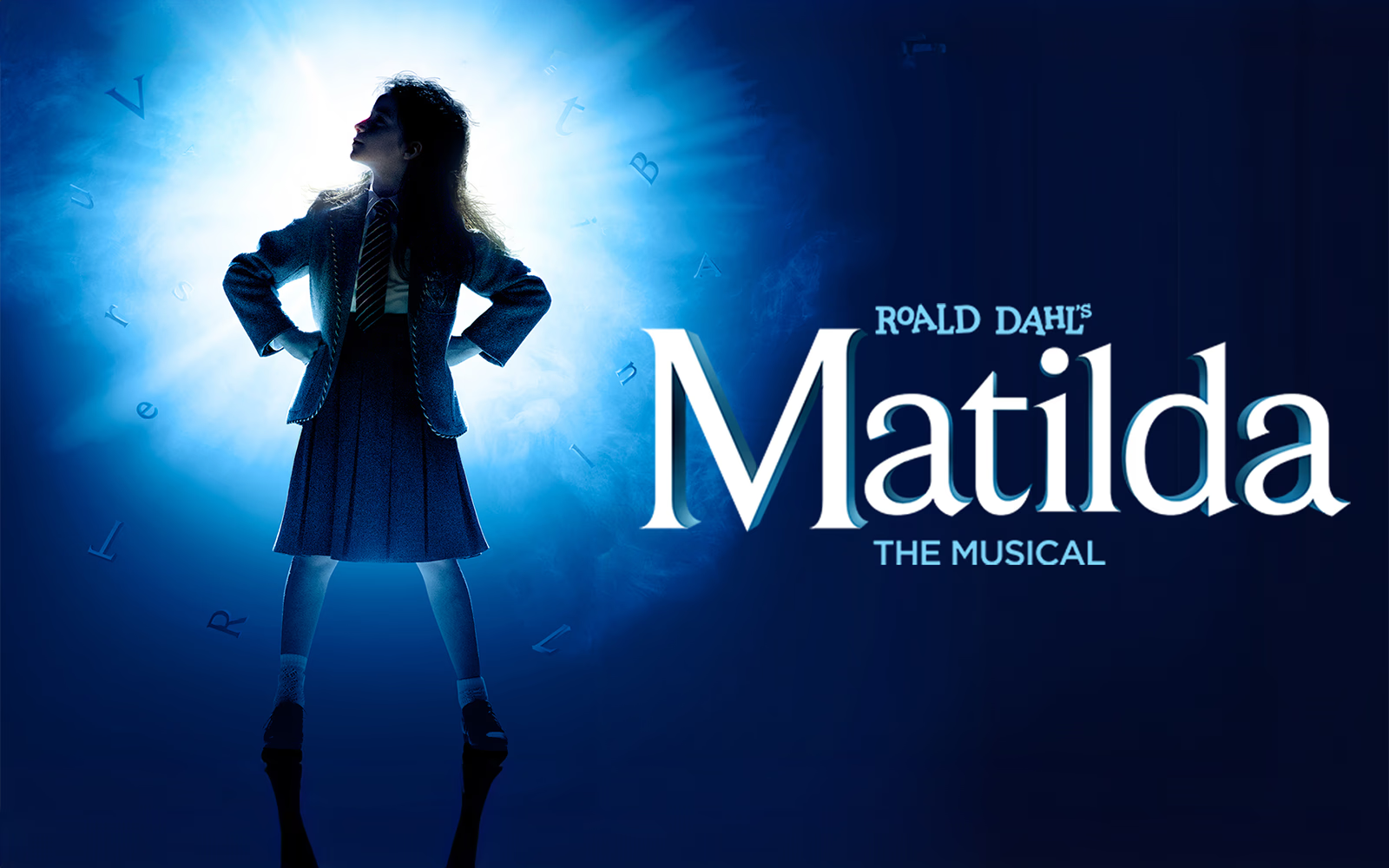
The distinction between West End and Off-West End is partly geographical and partly about how productions are funded and programmed. A West End commercial production typically runs as long as it sells tickets and is financed by private producers. Off-West End theatres typically have fixed seasons, take programming risks on new and unconventional work, and are more likely to produce world premieres. The transfer of work from these venues to the West End is one of the principal ways that new work enters the commercial programme: Les Misérables originated at the Barbican; Matilda the Musical came from the Royal Shakespeare Company before the Cambridge Theatre.
The National Theatre on the South Bank is the largest and most significant producing theatre in the country. The complex on the South Bank contains three auditoria: the Olivier (the largest, a fan-shaped open stage with over 1,100 seats), the Lyttelton (a proscenium theatre of around 900 seats) and the Dorfman (a flexible studio space). Between them, these three venues programme a year-round schedule of new plays, revivals and productions that regularly transfer to the West End and to theatres around the world.
For audience members new to the National, the Lyttelton is the most accessible starting point: the proscenium configuration is familiar, the scale is comparable to a mid-sized West End house, and the productions in the Lyttelton tend toward work with broad appeal alongside more challenging material. The Olivier produces work of national ambition; the Dorfman is for studio-scale new work.
Tickets for the National Theatre are significantly cheaper than equivalent West End seats, and the Thursday front-row scheme and other access initiatives make it one of the most affordable major theatre experiences in London.
The Old Vic on The Cut in Waterloo is one of the most storied theatre buildings in London, a venue with a history going back to the nineteenth century and a list of performers and productions that encompasses a significant proportion of British theatre's defining moments.
The Old Vic operates as an independent producing theatre, without public subsidy, and programmes its own seasons as well as hosting visiting productions. The building itself, a handsome Victorian structure seating approximately 1,000 people, has been carefully maintained and its atmosphere is one of the most distinctive in London.
Productions at the Old Vic range across classical revivals, new plays and occasional large-scale productions. The venue has a tradition of Shakespeare and other canonical work alongside new commissions, and its programming reflects an ambition to produce theatre of quality for a broad audience at accessible prices.
The Young Vic, a few metres from the Old Vic on The Cut, operates with a more experimental programme than its neighbour, though the two venues have a long relationship of mutual programming and audience crossover. The Young Vic's main house seats around 420 in its standard configuration, though the flexible space can be reconfigured for specific productions.
The Young Vic's programming is weighted toward new work and toward productions that take formal risks: the staging, the relationship between audience and performer, the choice of material. It has been responsible for productions that have gone on to significant lives elsewhere and maintains a strong reputation for quality and ambition across a relatively compact output.
The Donmar Warehouse in Covent Garden is one of London's most respected producing theatres in a 250-seat venue. The intimacy of the space means that the audience relationship with the performance is unlike anything available in the West End: the front rows of the Donmar are among the most intense theatre experiences in London.
The programming emphasises the directorial vision and the acting ensemble. Productions at the Donmar have included acclaimed Shakespeare, new plays and revivals of work from the classical repertoire that have subsequently transferred to the West End and Broadway. Getting tickets to high-demand Donmar productions requires advance planning; the small capacity means shows sell out quickly.
The Almeida in Islington operates as a producing house with a reputation for adventurous programming and for attracting major directors and actors to work at a scale and with an ambition that the commercial sector does not always support. The main house seats around 325 people; there is also a studio space for smaller-scale work.
The Almeida has been responsible for a series of productions that have moved to the West End and to Broadway, and its relationship with new writing is one of the most consistent in London theatre. For audiences willing to travel to Islington, it regularly offers among the best theatrical experiences the city produces.
The Bridge Theatre near London Bridge is one of London's newer producing venues, having opened in 2017. The main house has a flexible configuration that allows it to be arranged as a traditional proscenium, a traverse or an in-the-round space; the in-the-round format has been used for large-scale promenade productions that fill the floor of the auditorium with standing audience members.
The Bridge programmes its own productions of new plays and revivals, and has established a reputation for large-scale theatrical ambition within an independent producing model. Its productions regularly attract attention and transfer well.
The consistent advantage of the Off-West End sector is the range of theatrical forms and the scale of risk-taking in programming. A new play at the Almeida, a Shakespeare production at the Young Vic or an in-the-round staging at the Bridge all represent theatrical experiences that the commercial West End programme rarely accommodates. The commercial programme tends toward the proven and the repeatable; the subsidised and independent sector tests what theatre can do and for whom.
Ticket prices are also a consideration. Major Off-West End venues typically charge less than equivalent West End seats, and many have subsidised ticket schemes, pay-what-you-can performances and other access initiatives that make their work available to audiences who cannot afford West End prices.
For West End tickets, tickadoo covers full availability across all commercial venues. For a complete picture of London's theatre offering including Off-West End productions, BritishTheatre.com covers the wider programme. tickadoo also offers theatre gift vouchers for occasions.
Stay in the spotlight
Get the latest theatre news, reviews and exclusive offers straight to your inbox.