A group theatre outing to the West End is one of the more reliably successful social events London offers. The combination of a shared experience, a clear time structure, a striking venue and the pleasure of comparing reactions afterwards makes theatre a better group activity than many alternatives. But a group visit also involves more logistics than a solo or paired trip, and the decisions made at the planning stage significantly affect how the day or evening goes. This guide covers how to choose the right show, how to book as a group, how to handle the logistics around the performance, and what to watch for when things do not go as planned.
The most common source of difficulty in group theatre planning is choosing a show that works for everyone in the group. A show that one or two people find underwhelming colours the whole event for those people regardless of what everyone else thought. Choosing a production with broad appeal, or at least one that the group has actively agreed on, is more important for a group visit than for a solo or paired trip.
Mamma Mia! is consistently cited as one of the best group shows in the West End. The combination of widely known music, an accessible and cheerful story, and a participatory finale that invites the audience in rather than keeping them as passive observers makes it a production that works across age ranges and levels of theatrical experience. A group that includes people who rarely attend the theatre and people who go regularly will find something to enjoy at Mamma Mia!, which is a useful quality when you cannot guarantee that everyone in the group has matching expectations.
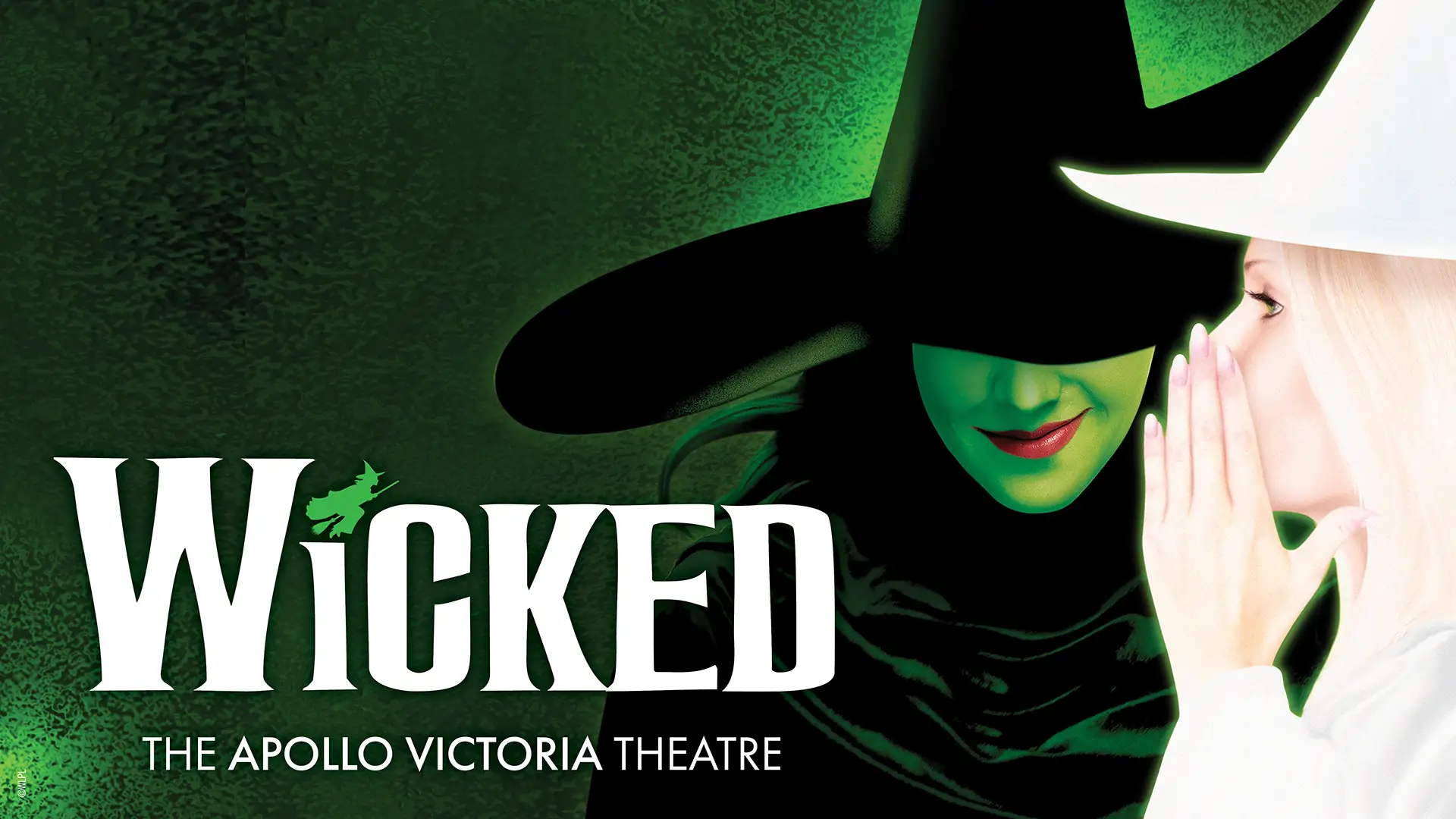
Wicked has similarly broad appeal. The scale of the production, the recognisable songs, and a story that works on multiple levels for different ages make it a reliable group choice that generates enthusiasm without requiring everyone to bring prior knowledge of musical theatre.
For groups with a shared interest in a more demanding experience, Les Misérables rewards the investment it asks from its audience, and a group that has all had the same powerful experience tends to have a lot to say to each other afterwards. Hamilton at the Victoria Palace Theatre is similarly strong for groups who know they want something more complex and ambitious.
For family groups or groups that include younger attendees, Matilda the Musical at the Cambridge Theatre is a production whose wit and intelligence work as well for adult members of a group as for the children it is nominally about, and it remains one of the most reliably well-reviewed productions in the West End.
Most West End theatres offer a group discount for bookings above a minimum threshold, typically eight to ten people. The discount varies by show and theatre but is usually in the range of a percentage reduction on the standard ticket price; some shows offer more significant group rates, particularly for mid-week performances.
Group bookings at major West End venues are handled through the box office directly or through dedicated group booking lines. The advantage of booking directly is that the group rate applies clearly; the disadvantage is that it requires coordination and sometimes a lead time that individual bookings do not. For large groups, confirming the booking several weeks in advance is advisable to secure a block of seats together.
For groups where not everyone needs to be seated together, or where booking needs to be flexible because the group size is uncertain, individual bookings through a ticketing service offer more flexibility, though the group rate may not apply.
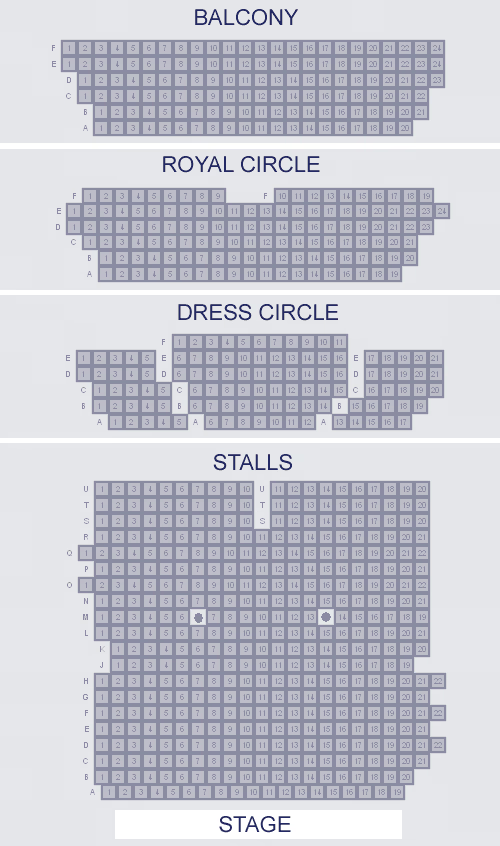
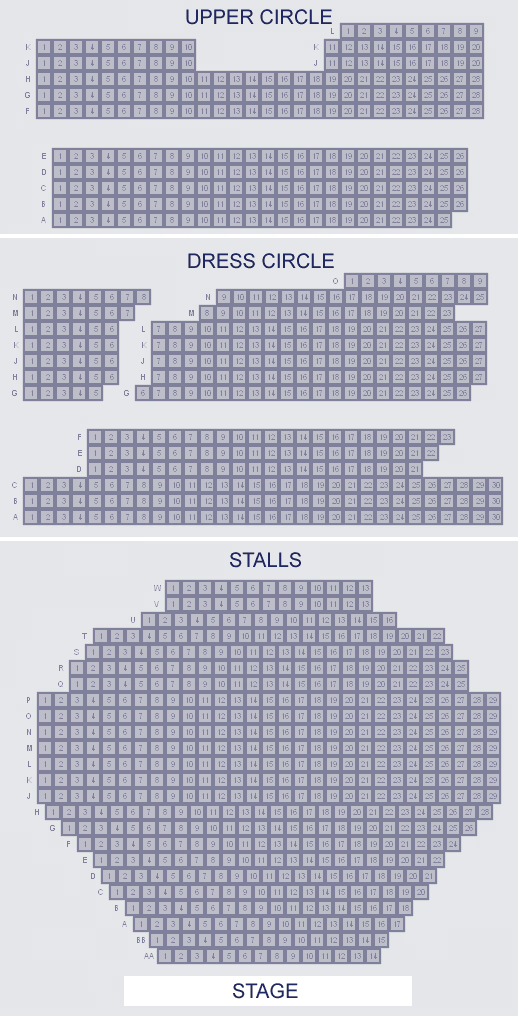
tickadoo covers full seat availability across the West End with seat maps and pricing, which makes it useful for identifying which positions in a venue allow a group to sit in an adjacent block. For occasions where you want to give the group members some choice, tickadoo also offers theatre gift vouchers.
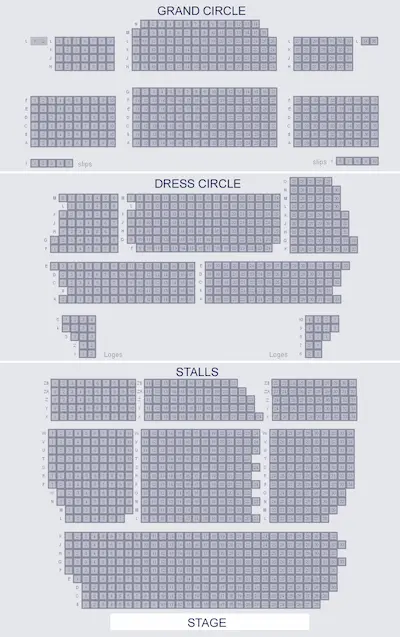
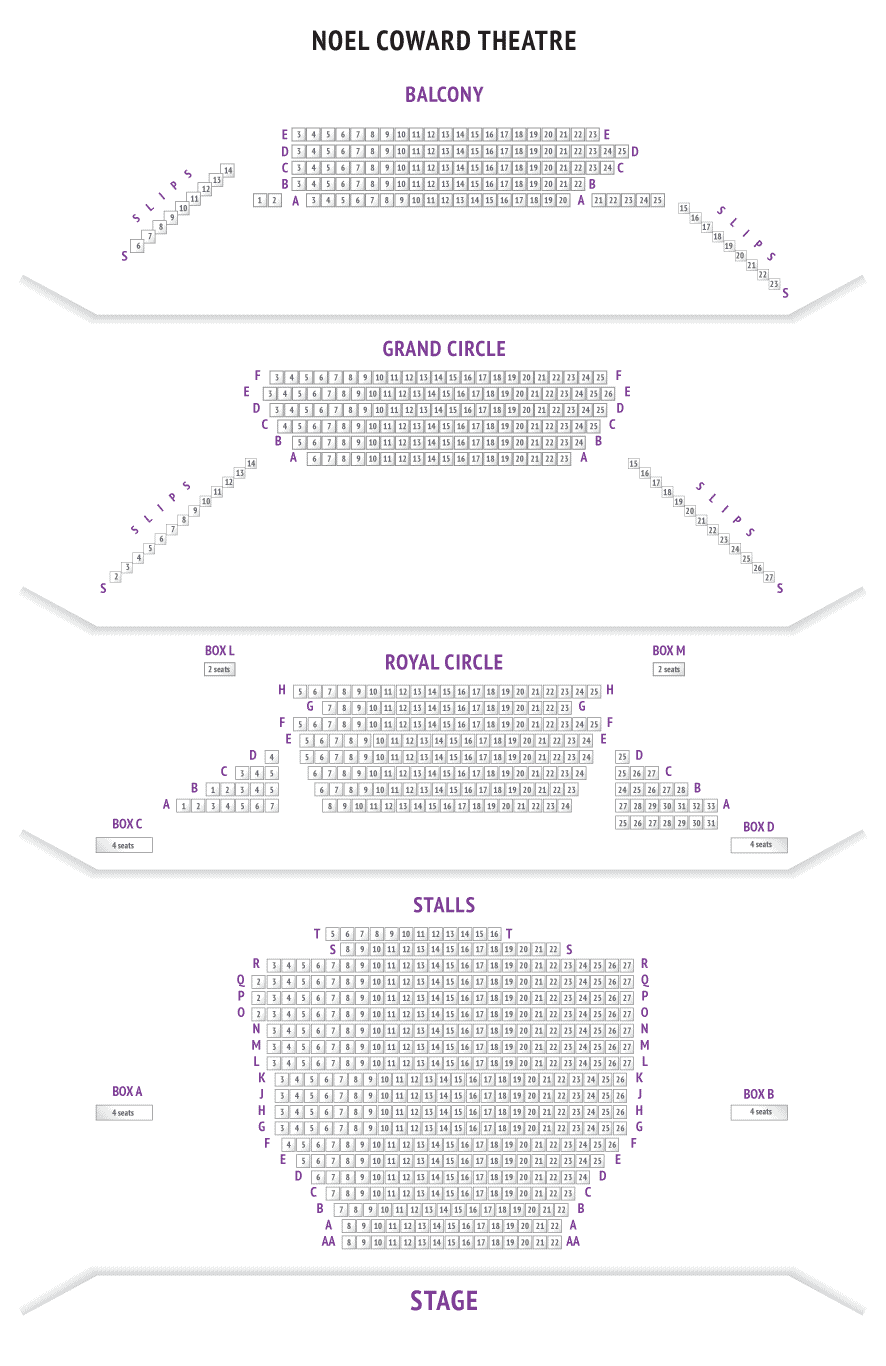
One of the practical complications of group theatre-going is that West End venues vary in how easily a group can sit in an adjacent block. In a venue with 1,000 or 2,000 seats, a block of ten or twelve adjacent central seats may not be available, particularly for popular weekend performances.
The best approach is to decide in advance whether sitting together is essential or whether seats in the same general area is acceptable. If sitting together is important, booking well in advance when the full inventory is available gives the best chance of securing adjacent seats. If adjacent seats are not available in the most desirable sections, choosing a section where adjacent seats are available rather than splitting the group across the best locations in the house is generally the better decision for a group event.
Part of the pleasure of a group theatre outing is the social time around the performance. A pre-show meal or drinks, and post-show conversation about what the group has just experienced, are as much a part of the event as the performance itself.
For pre-show dining, the West End's central location means there is no shortage of options. Booking in advance is strongly advisable for any restaurant near a theatre district on a Saturday evening; the combination of theatre audiences, pre-theatre dining demand and the general busyness of central London means that walk-in availability is limited. The further from Shaftesbury Avenue or the Strand the restaurant is, the more likely walk-in availability becomes.
Pre-ordering interval drinks is an option at most West End venues and reduces the queue at the bar significantly during the interval. For a group, coordinating the pre-order before arriving at the theatre means the interval can be used for discussion rather than queuing.
For post-show gatherings, the same central location that creates difficulty pre-show tends to ease after the performance, as not all of the audience will be staying in the area for the evening. This makes post-show dinner or drinks often more relaxed than pre-show.
Transport coordination for a group visit to the West End requires less planning than it might seem. Central London's Underground network connects most of the main theatre district stations cleanly, and groups travelling from different starting points can agree to meet at the theatre rather than travelling together. This reduces the coordination burden and the risk of one person's late arrival affecting the whole group.
The standard rule for individual West End attendance applies to groups: arriving thirty minutes before the performance start gives time to collect tickets, reach seats and settle before the show begins. For groups, this buffer is more important rather than less, since it takes longer for ten people to find their seats than two.
If latecomers are anticipated, booking adjacent seats in a less central block where latecomers can be more easily admitted may be preferable to booking in the central mid-Stalls where a late arrival disrupts a larger number of people.
How many people constitute a group booking? Most West End venues define a group as eight to ten people or more for the purposes of group rates and dedicated booking arrangements. Check with the specific box office for the threshold that applies to the show you are booking.
Which West End shows are best for groups? Mamma Mia! and Wicked are consistently strong group choices for mixed audiences. For groups with specific interests, Hamilton and Les Misérables reward engagement and generate strong post-show discussion.
Do group bookings always get seats together? Not automatically. Securing adjacent seats requires either booking well in advance, booking directly through the group line, or being flexible about which section of the auditorium the group is in. Confirming the seating arrangement when booking is essential.
How far ahead should I book for a group West End visit? For weekend performances of popular shows, six to eight weeks ahead is a reasonable minimum to secure adjacent seats in a good section. For mid-week performances, a shorter lead time is usually workable, though earlier is always better for a large group.
Stay in the spotlight
Get the latest theatre news, reviews and exclusive offers straight to your inbox.