& Juliet is a jukebox musical built around the catalogues of songwriter and producer Max Martin, one of the most commercially successful pop songwriters of the past three decades. The show takes the premise that Juliet, the heroine of Shakespeare's Romeo and Juliet, survives the play and gets to rewrite her own story, and it uses Martin's roster of pop hits to soundtrack her journey. Productions include songs associated with artists including Britney Spears, Backstreet Boys, Katy Perry, Ariana Grande and others, making the show a remarkably broad musical anthology framed within a comic and emotionally engaging theatrical narrative. This guide covers what the show is about, what to expect from the West End production, how seating works and how to book.
The premise of & Juliet begins immediately after the final scene of Romeo and Juliet. Rather than accepting the tragic ending written for her, Juliet decides she has agency over her own story and sets off on her own terms. Her journey, accompanied by friends both old and new, takes the form of a road trip across Europe, and the show uses the comedic and emotional possibilities of this premise to build a narrative that is simultaneously a parody of the source material and a genuinely affecting story about self-determination and identity.
The show's tone is firmly comic, with a knowing awareness of its own theatrical situation built into the script. The characters are aware they are in a musical, and the comedy generated by this self-consciousness is one of the show's most effective devices. The emotional register shifts between moments of genuine feeling and broad comic performance, and the two registers coexist more successfully than in many jukebox musicals because the premise provides a coherent frame for the variety of the material.
The show includes characters beyond Juliet whose stories develop across the narrative, and several of the supporting characters deal with questions of identity and belonging that give the comedy additional resonance. The use of familiar pop songs to score these moments creates the particular emotional effect of the jukebox musical form, where audiences bring their own associations with the music to bear on the theatrical situation.
Max Martin is the songwriter and producer credited with co-writing songs including Backstreet Boys' I Want It That Way, Britney Spears' ...Baby One More Time, Katy Perry's Roar, Ariana Grande's Problem and dozens of other major pop hits. His career spans from the mid-1990s through to the present day, and the range of the material drawn from his catalogue gives & Juliet an unusually broad tonal palette.
The songs are not presented in their original context. They are woven into the narrative and reframed by the theatrical situation, so that a song written for one purpose acquires a different resonance within the show's storyline. This is the fundamental challenge and opportunity of the jukebox musical form, and & Juliet handles it with considerable skill: the selection of songs reflects the show's themes, and the staging makes the familiar material feel genuinely theatrically integrated rather than simply assembled for recognition value.
For audiences with existing knowledge of and affection for pop music of the 1990s and 2000s, the show provides a constant stream of material they know, recontextualised in ways that are frequently surprising. For audiences less familiar with the specific songs, the theatrical experience still works because the storyline and the performances carry the emotional content.
The West End production of & Juliet is a large-scale musical staged with the full resources that a major commercial production can bring to bear: a substantial ensemble, significant choreographic content, high production values in terms of design and lighting, and a sound design that gives the pop-influenced score the electronic and acoustic qualities the material requires.
The staging reflects the show's contemporary aesthetic, with design choices that reference pop performance and video culture rather than the classical theatrical conventions one might expect from a Shakespeare-adjacent premise. The connection to its source material is playful rather than reverential, and the production design reflects this in its use of colour, scale and theatrical spectacle.
The show's choreography is central to its impact. The ensemble numbers in particular use dance as a primary theatrical language, and several of the standout moments in the production are built on the interaction between the vocal performance and the physical staging. For audiences whose primary interest is in theatrical dance and its relationship to popular music, & Juliet is one of the strongest offerings in the current West End programme.
The show's running time is approximately two and a half hours including an interval. The interval falls roughly halfway through and provides time for refreshments and the standard intermission activities of a large West End house.
& Juliet has been a strong-selling West End production since its opening, and popular performance times and premium seats sell in advance. Booking well ahead of the intended visit is the most reliable approach for securing preferred positions.
The show attracts a wide demographic, from younger audiences for whom the pop catalogue represents current or recent music to older audiences who remember the original songs from their initial release. The result is a house that includes a significant range of age groups, which affects the atmosphere in ways that are generally positive: the communal recognition of familiar material creates a shared audience experience that can be notably energetic.
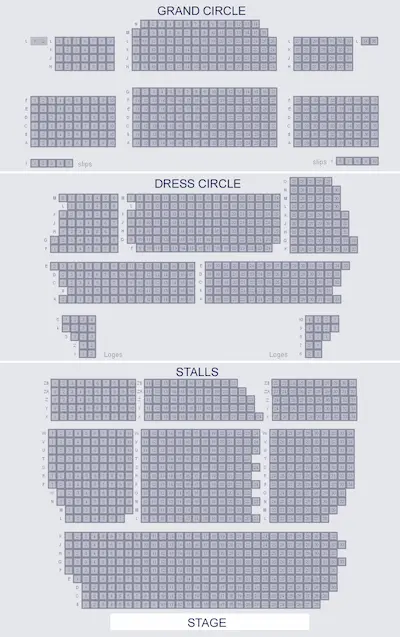
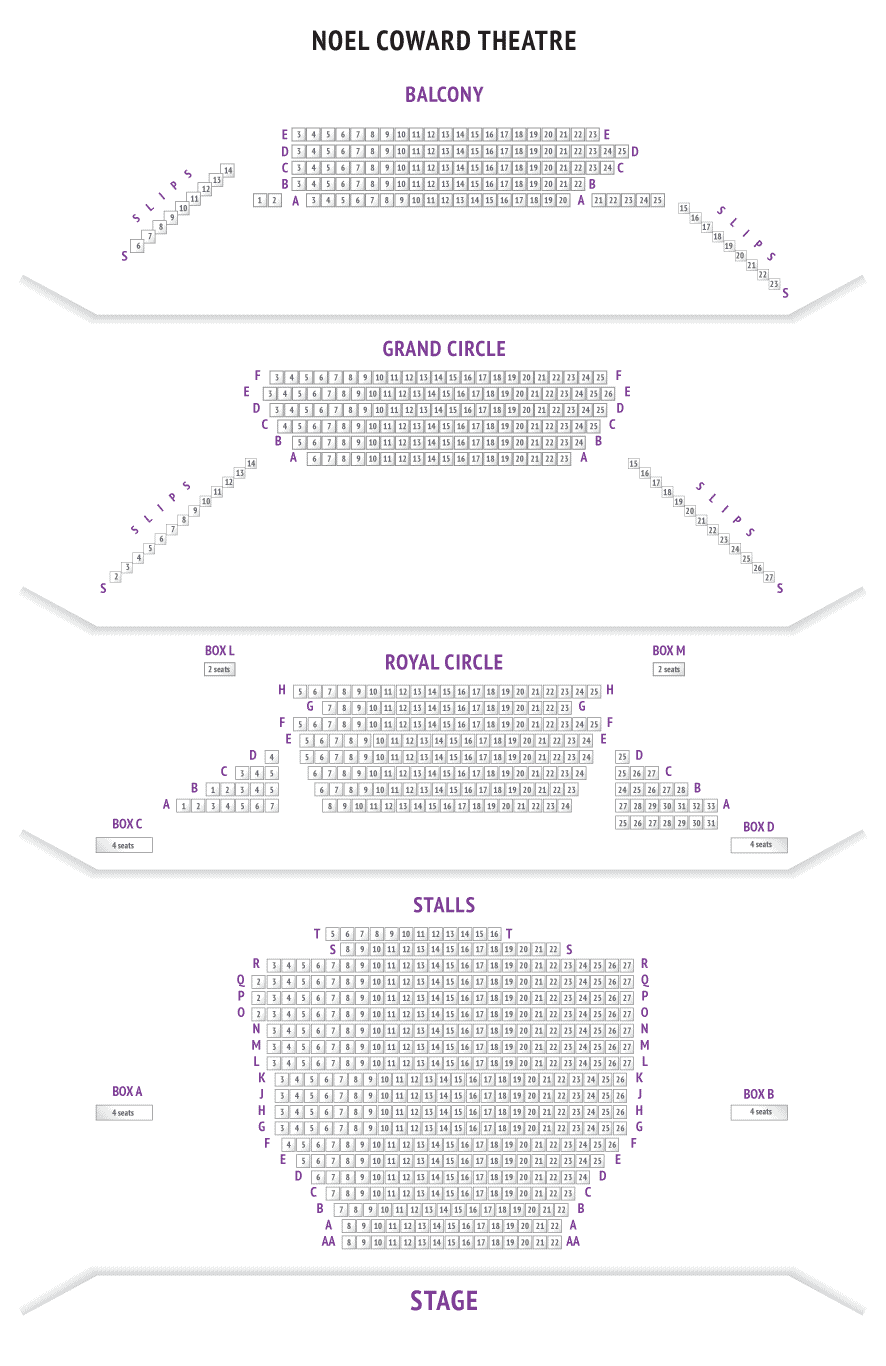
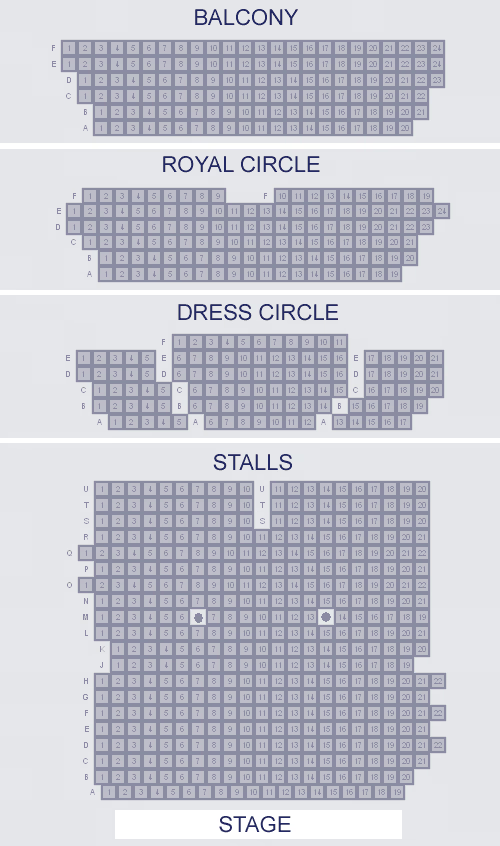
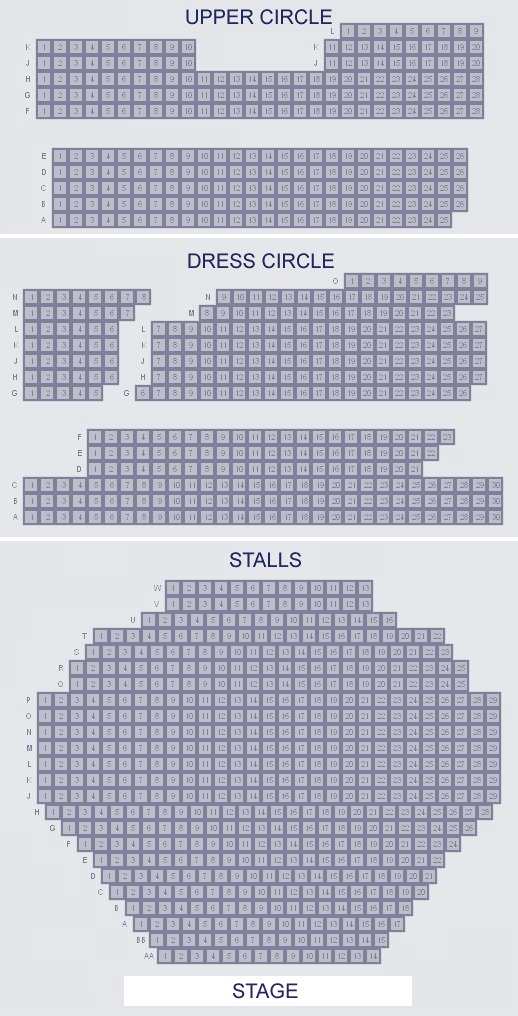
Ticket prices follow the standard West End tiered structure, with premium seating in the central Stalls and Dress Circle commanding higher prices, and a range of price points available across the house. Booking through official channels or authorised ticket agents is the safest approach for ensuring accurate pricing and legitimate tickets.
For audiences attending & Juliet for the first time, the most useful frame is probably that of the contemporary pop jukebox musical rather than the Shakespeare adaptation. The show uses its source material as a comic launching pad and returns to it periodically, but the primary theatrical experience is one of high-energy musical entertainment driven by familiar pop songs and performed with genuine theatrical ambition.
Audiences who come expecting a serious engagement with the Romeo and Juliet narrative will find the show's relationship with its source material productively comic rather than earnest. Those who come primarily for the music will find the theatrical framing adds dimension to material they know. The show works across both orientations, and this flexibility is part of what has sustained its commercial success.
The performance is loud and physically immediate in the way that large-scale pop-influenced musicals tend to be: sound levels in the auditorium are high, the staging uses the full stage space and the energy of the ensemble is a constant presence. Audiences sensitive to high sound levels or seeking a quieter theatrical experience will want to factor this into their choice.
For audiences who enjoy jukebox musicals and are considering what to see alongside or after & Juliet, the West End programme regularly includes productions that share the form's characteristic pleasures. Productions like Mamma Mia! use a similar approach of building a narrative around a specific pop catalogue, and the comparison helps identify what is distinctive about the particular pleasures & Juliet offers: its contemporary setting, its self-aware theatrical premise and the breadth of the Max Martin catalogue.
For tickets to & Juliet and the full West End programme, tickadoo provides seat maps, pricing and availability. The complete listing of what is running across all London venues is available at BritishTheatre.com. tickadoo also offers theatre gift vouchers.
What is & Juliet about? & Juliet is a jukebox musical that imagines what happens if Juliet from Romeo and Juliet survives the play's ending and rewrites her own story. The show uses songs from the Max Martin songbook, including hits originally associated with Britney Spears, Backstreet Boys, Katy Perry and Ariana Grande, to soundtrack her journey.
Who wrote the songs in & Juliet? The songs in & Juliet were written or co-written by Max Martin, one of the most commercially successful pop songwriters of the last thirty years. The show draws from across his catalogue to assemble material spanning multiple decades of pop music.
Is & Juliet suitable for children? The show deals with themes of identity, relationships and self-determination in a broadly comic way, and is generally suitable for older children and teenagers. Younger children may find the length and sound levels challenging. It is worth checking the theatre's own guidance for specific age recommendations.
How long is & Juliet? The show runs for approximately two and a half hours including an interval. Performance times vary by day, with matinees and evening performances scheduled throughout the week.
Is & Juliet based on Shakespeare? The show uses the premise of Romeo and Juliet as a starting point and parodies its source material in a knowing and comic way, but it is not an adaptation of Shakespeare in any conventional sense. The theatrical experience is that of a contemporary pop jukebox musical rather than a Shakespeare-derived production.
Stay in the spotlight
Get the latest theatre news, reviews and exclusive offers straight to your inbox.