Girlfriends
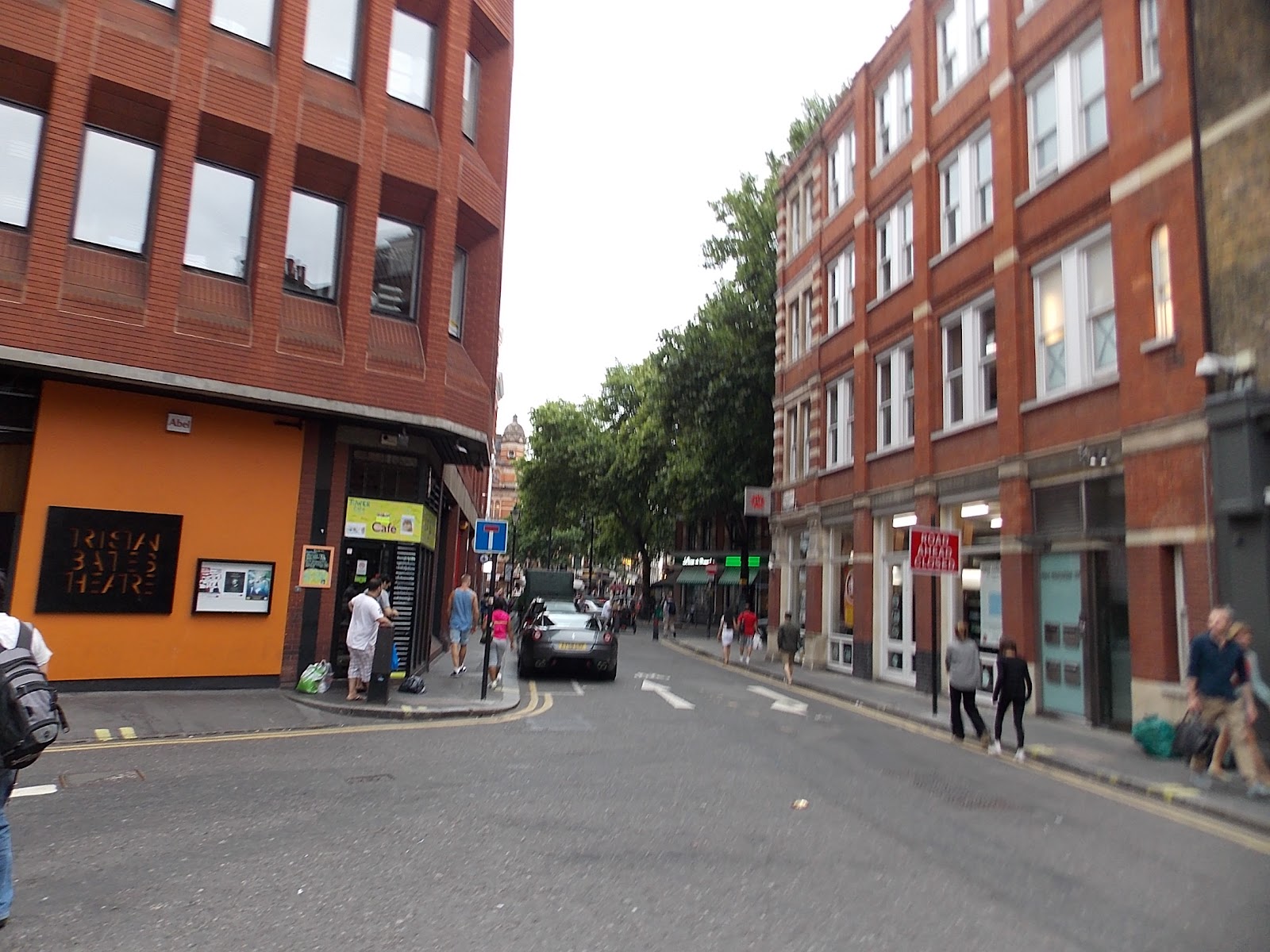
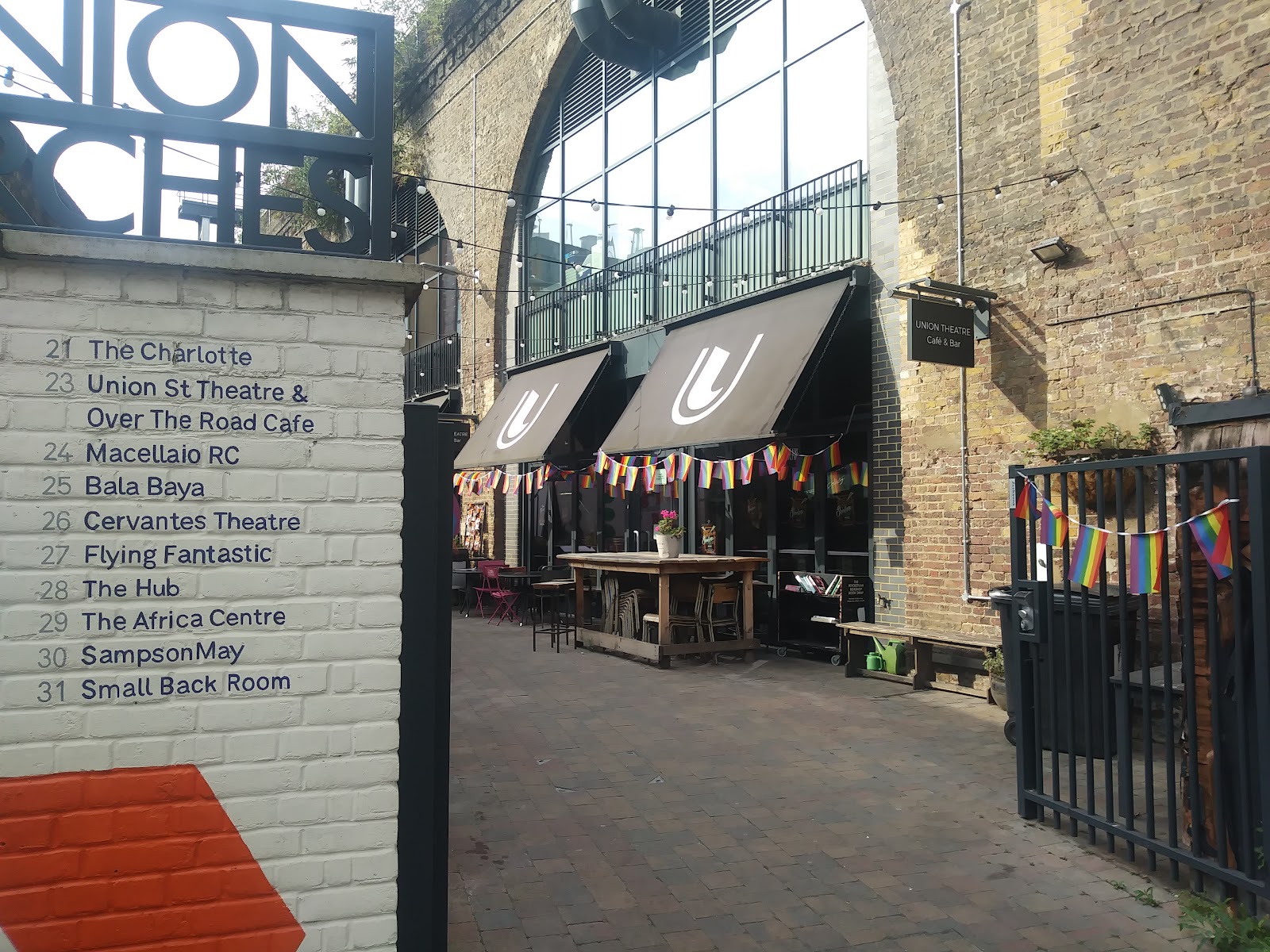
Union Theatre
9 November 2014
4 Stars
Howard Goodall has a new musical on the horizon, next year's hotly anticipated Bend It Like Beckham. That prospect has made the Union Theatre's retrospective about Goodall's work (three productions in succession: The Dreaming, Love Story and Girlfriends) timely and the final products well worth the inherent risks. One of the great things about the Union Theatre (and the Landor for that matter) is that audiences are given a chance to see musicals which rarely, if ever, have a prospect of a revival in the West End. As well, audiences get to see young stars-in-the-making, sometimes in their debut performances, and can experience the thrill of being there as something special happens for the first time.
Goodall is rather an unsung hero of British musicals. His work is ambitious, interesting and often very powerful, but he has never had the sort of attention which, say, Alan Bennett or David Hare have had from the National Theatre, but his work is as important as theirs and covers wide spectrums and styles, as does theirs. This is not to say Goodall has not had great success - he has - but what greater success could his works have had if the care and expense lavished on The Light Princess had been utilised in honing and refining his works?
As the production of Girlfriends now playing at the Union Theatre (direction by Bronagh Lagan, Musical direction by Freddie Tapner and Choreography by Iona Holland) amply demonstrates, Goodall has a mastery over melody and composition which is rare in musical theatre these days. The score has a vision and a unity which is utterly engrossing and delightful; and it is overflowing with female voices, a rare treat in itself.
In the programme, Goodall notes:
My musical experiment was to see if I could - on stage - make of this world a contrapuntal polyphony, that is to say, a vocal tapestry consisting of interweaving, many-layered voice lines, one upon another, rather as one might expect in 16th century choral music.
Goodall's experiment succeeds unquestionably. The score is rich in melody and contrapuntal texture and in the skilled hands of Freddie Tapner is played with assurance and sung with passion, clarity and musical purpose. Tapner is making his debut with this production and his emergence bodes well for the future of musical theatre productions in this city. Sensibly utilising two pianos, augmented by Reeds and Double Bass/Cello, Tapner ensures the accompaniment is as good as it can be in a small space like the Union.
He has taken great care with the singers too. The balance is good and, in both solo and ensemble work, there is much attention to detail, light and shade and an overall style which ensures the richness of the score is not lost in a modern day feel and that every note gets proper attention. The result is musically exhilarating.
Goodall is also responsible for the lyrics, and they, too, are excellent. It is not clear who is responsible for the linking snatches of dialogue and interplay; in an early version of the work, Richard Curtis provided a script but he is not credited here. Although the material has been reworked and reordered for this production, there is still work to be done on the narrative aspect of the production. Some scenes can disappear without difficulty, some moments can be made tighter.
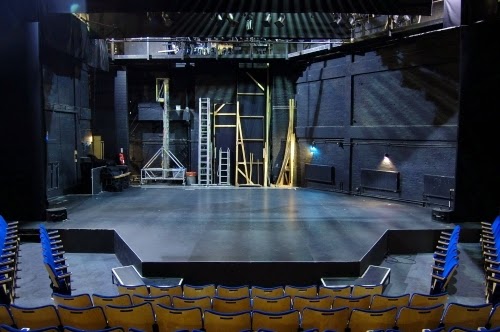
Lagan's direction is quite static and this is a serious difficulty, but partly that is about the restrictions of the venue. A revolve would instantly solve some of the challenges the piece offers. But that is not to say Lagan does not achieve moments of great theatricality - the use of a parachute to become a scrim behind which covert lovers entwine in shadow form is inpsired and makes the reveal theatrically clever. And the sense of period is firmly entrenched in the manner of dress, the way the cast walk and engage, the hair styles and the overall feeling of uncertainty and tragedy that constantly looms.
Nik Corrall's design is simple, but effective. I particularly liked the mural on the back wall which became a pilot's view of the land below at one point and the scene where the women use flares to guide in a fog-blinded pilot is very clever indeed.
No one in the cast is badly cast or unequal to the task set by the piece, but some lights shine brighter than others. The piece looks at disparate people, mainly women, thrown together at an air-force base during the Second World War. All from different backgrounds and places, and all with different temperaments, they become friends in this unusual melting pot.
Catherine Mort is quite wonderful as Jane. She sings assuredly and with a voice sodden with emotion and sense; there is a lustrous timbre to her sound which is pure delight. She has the hardest role: the girl who loves the dashing officer, Guy, who loves her best friend, Amy.
When Amy refuses to have sex with Guy and breaks from him, Guy turns to Jane. She beds him because she loves him; he does it because he does not want to die in battle without knowing what sexual intimacy is like. Jane knows that Guy really loves Amy but she cannot resist him. She almost loses her friendship with Amy over it.
It's a familiar, and utterly truthful story, and it is well told against the claustrophobic backdrop of people forced together in barracks because of a war. Mort charts all of the feelings and experiences of Jane perfectly, in a finely judged performance.
Tom Sterling, tall, good looking and blessed with a sure, pure tenor sound, makes easy work of Guy, although he could perhaps emphasise the character's self-interest more than he does. Guy is ultimately unlikeable and Sterling should not be afraid of that. As Amy, Corrine Priest is sweet and precious as the good girl who will not give up her virginity, although she needs to relax more, let the character fly.
Catriana Sandison was lovely as Jas and her song about the death of her brother was one of the dramatic highlights of the piece, beautifully and intelligently performed. Sarah Harlington is excellent as good-time girl, Sally, and there is fine work too from Jessica Hern (Karen) and Perry Lambert (Lou).
Michael Rees, Guy's friend and all-around good-time lad, Gareth, the archetypal notion of a randy Air Force man, needs to work on making his character whole rather than bitsy. He does some excellent work, but at other times seems unsure of what Gareth is about. His voice is sure and strong, and he has no difficulty with he humour in the piece.
The entire cast sings very well, the diction is excellent as is the pitch. It is not an easy score to sing and it brings with it great vocal demands - but the company meet those demands consistently and well. The big ensemble numbers are pure joy to hear.
This is the strongest of the three Goodall offerings the Union has produced this year. Tapner's musical direction, an excellent cast led by Catherine Mort, and a vibrant, tuneful and polyphonic score combine to produce a real theatrical treat. This is one of the best musical productions at the Union Theatre in the last five years - and its standard and value underlines the importance of the continued existence of the Union Theatre.
Stephen Collins is a contributor at British Theatre, covering West End productions, London theatre news, casting updates, and UK stage trends.
View profile and all articlesStay in the spotlight
Get the latest theatre news, reviews and exclusive offers straight to your inbox.