The Pass
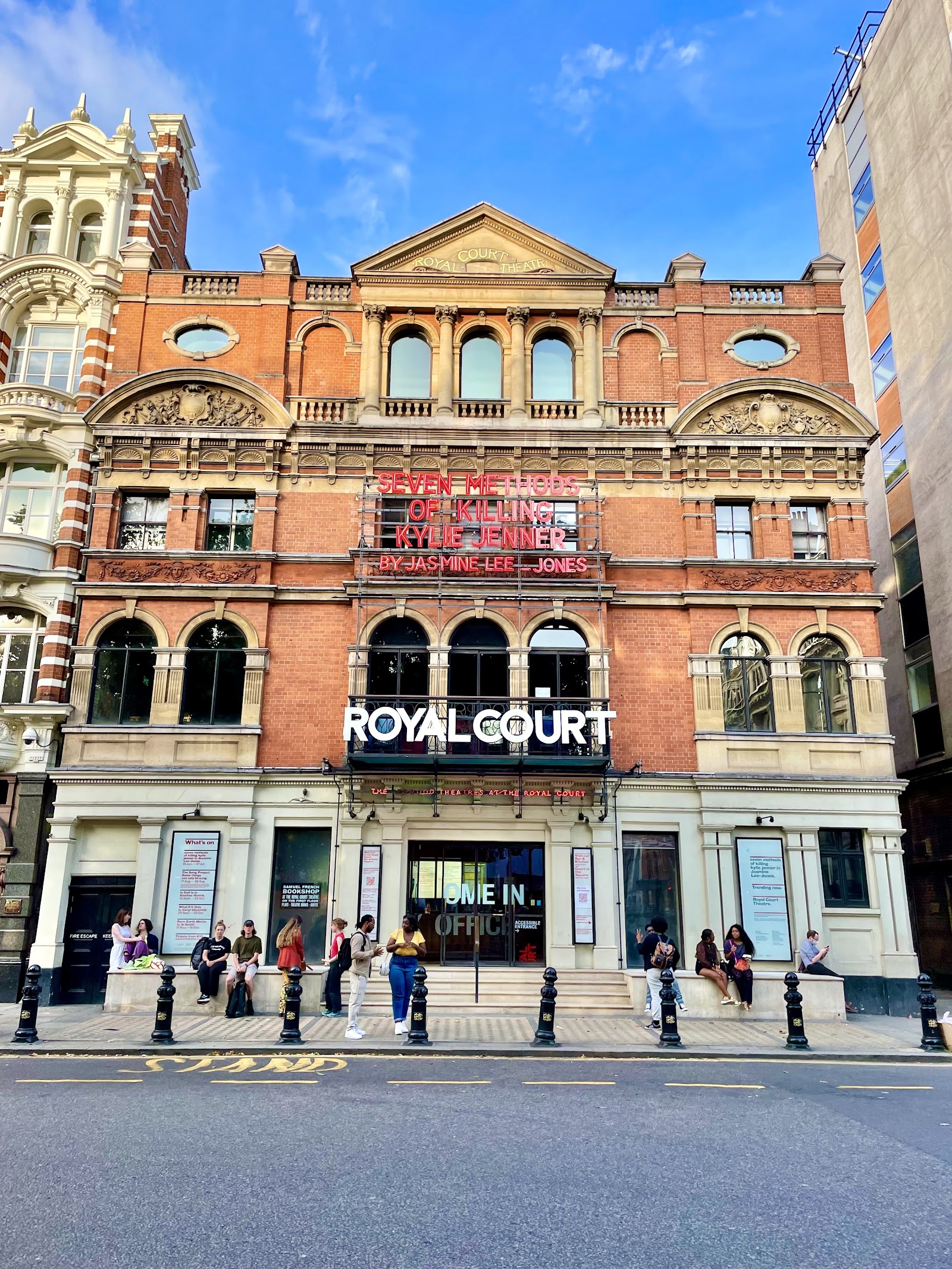
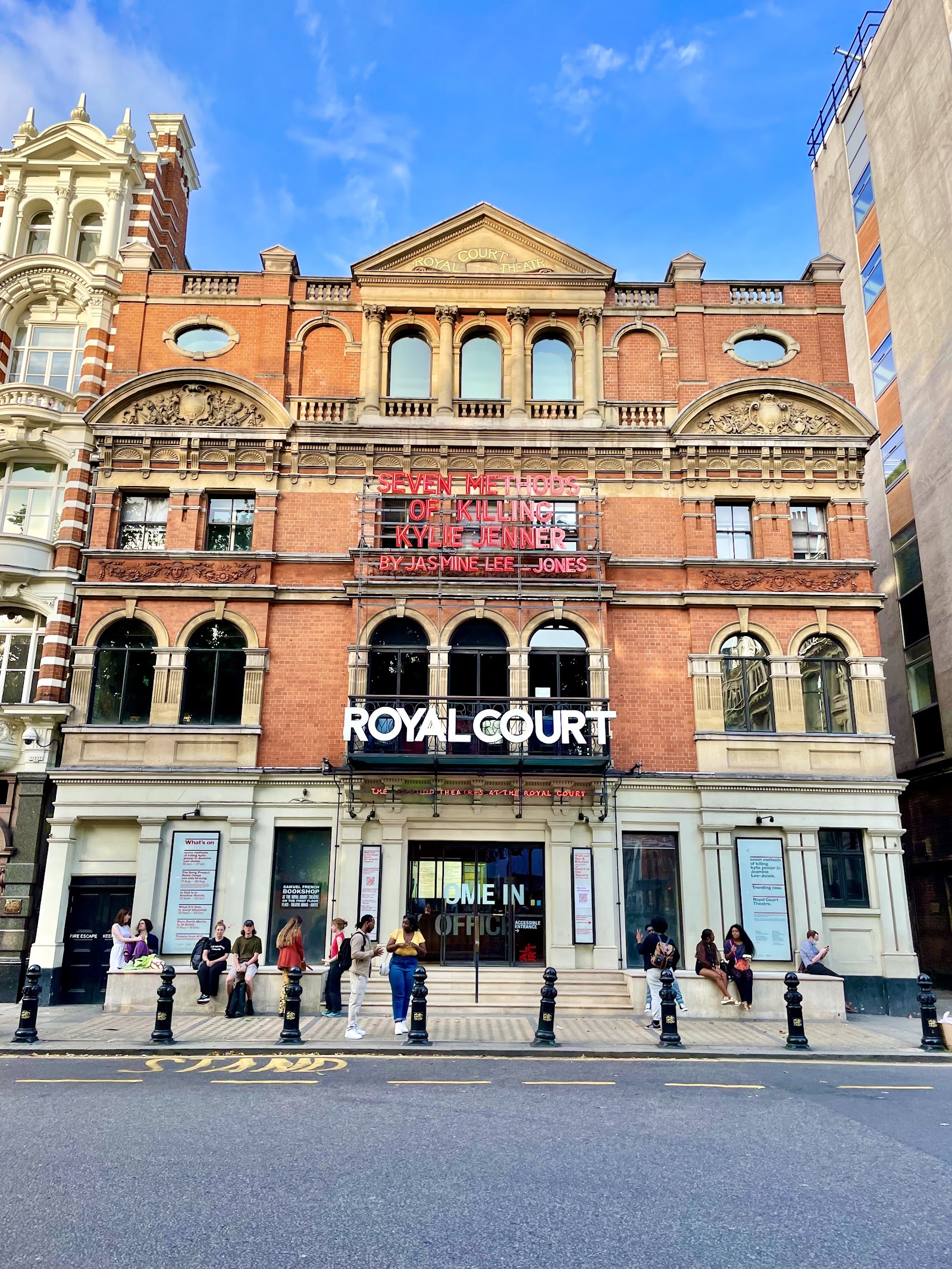
Royal Court Theatre
January 28
3 Stars
It is becoming more and more clear that for theatre to properly compete for the attention of its audience in the modern world, it's not just about whether one can keep awake; it's about whether staying, despite whatever the cost of the ticket, is sensible given the other things one might do: nip home to watch the latest episode of Justified or The Good Wife ( or both ), to read the latest Booker nominated tome or hot piece of crime fiction, to catch up on paperwork, to have a proper human-to-human conversation with someone, to open a bottle of wine, whatever.
There is no reason to endure dull theatre. Bad theatre can often be unintentionally humorous and arresting. But dull theatre...well, it just darkens your soul and makes you doubt the sense of another visit to the theatre.
In the case of John Donnelly's The Pass, now playing at the Royal Court in the Jerwood Upstairs, and directed by the gifted John Tiffany there are an abundance of elements almost guaranteed to be the antithesis of boredom: Laura Hopkins' clever set which immediately transports you to an elegant Hotel room in Bulgaria, complete with a working, capacious glass shower and which, on commencement, is filled with steam and the promise of nudity and risqué antics; Russell Tovey, fit as fit can be as Jason, effortlessly skipping for exercise in nothing but tight black Calvin Kleins; Gary Carr, fit as fit can be as Ade, sporting either a towel or Hugo Boss boxers, and actively competing with Tovey for the title of Best Definition On A London Stage; a title which riffs on the two key elements of the text: sexual encounters and the mechanics and intricacies of life as a professional footballer. And yet, for all the grace and style Tiffany brings to proceedings, and the quality of the central performances, The Pass is as dull a play as is likely to be encountered. It is almost incomprehensible that it is programmed at the Royal Court given that there are much better new plays trying to find a home.
Firstly, it is far too long. It has little to say but it says it over and over again. As a series of sharp vignettes lasting 50 minutes (tops) it might have been of real value, but at two and one half hours, it is the equivalent of three weeks in Purgatory.
Secondly, the banter is not witty enough, the sense of menace and possibility comes from the performances and the direction (in the silences) and although it clearly seems to be emulating Pinter, it falls far short of the mark and ends up as Footballers Wives: The Gay Easter Special.
Thirdly, it does not seem to know what it wants to achieve. Is it a play about the corrosive effect of participation in Professional Football? Is it a play about how gay athletes have to hide their sexuality and the cost that comes with? Is it a play about a love affair that should have happened but didn't? Is it a play about power and corruption?
The result is that The Pass is not really about anything. It's not funny, sad or shocking and it provides no insight into anything, except perhaps the unrelenting dreariness of lives lived in hotels.
In three Acts, it charts the rise and fall of Jason, a superstar footballer. In Act One, he and Ade share a room before the most important selection game of their embryonic careers. Jason seduces Ade to put him off his game and the next day scores a goal which changes their lives forever. Ade is not chosen and goes on to lead a happy life as a builder, finds a guy he loves and settles down.
Jason marries, has children, and ascends to the dizzy heights of super-stardom and all the trappings that accompany it. The second Act is puzzling, focussing on Jason's encounter with a feisty lap-dancer who may or may not be about to make a lot of money for herself by selling a video of their sexual antics to the press.
The third Act sees Jason reunited with Ade after many years of no contact, ostensibly to offer him a job doing up Jason's Greek villa. There are bizarre faux sex games with an up-for-it hotel clerk and a confused almost confrontation of Jason's true self - but the play ends as it started, with Jason alone in a hotel world lost in his own mind games.
Tovey gives a first rate performance. He attacks the part with every fibre of his being and gives the dialogue more joy and menace than it deserves. Even he, however, struggles to make the peculiar second Act interesting and plausible. Best of all is Tovey's ability to convey mood swings and inner thoughts through silences, gestures and looks. He really is an excellent actor.
So too is Carr who makes much more of the role of Ade than the text suggests. There is an intensity of feeling about everything he does which is compelling. He is particularly good at the lightness of touch necessary to let the 17 year old version of Ade, complete with emerging sexual identity, take flight.
It is interesting how impossible it is to engage with Jason and Ade without actually seeing them excel at their chosen sport. Without a sense of their actual sporting prowess (something the theatrical version of Chariots of Fire understood entirely) it is difficult to develop any care for or empathy with the characters. Here, it is simply impossible to give a toss about Jason or Ade.
Tiffany directs beautifully, gracefully and with a sense of purpose. The scene-change choreography is quite stylised and interesting but, curiously, suggests a promise which never eventuates in the text.
Indeed, between them, Tiffany, Tovey and Carr overwhelm Donnelly's confused and slightly facile text. The trio lend the writing a bravura, a style, a sense of achievement far beyond the writer's ability.
Oh that these particular talents had been lavished on writing equal to them.
The Pass has nothing new to say and is, yet, billed as "an agile new story about sex, fame and how much you're willing to lose in order to win ". Hamlet concerns the same topics and is far more agile. Despite the considerable talent of the stars and director, some might well pass on The Pass.
Stephen Collins is a contributor at British Theatre, covering West End productions, London theatre news, casting updates, and UK stage trends.
View profile and all articlesStay in the spotlight
Get the latest theatre news, reviews and exclusive offers straight to your inbox.