Someone Who'll Watch Over Me
Minerva Theatre, Chichester
15 September 2015
4 Stars
It could be anywhere. Nothing about the space communicates location. The huge rotting slab of concrete hanging above, with gangrenous pipes belching from its leaking, sweaty underbelly, rusty stains providing echoes of past misdeeds, is oppressive and watchful - like a poisonous spider venomously perched on black threads suspended above its prey. Waiting. Present. Abhorrent.
Underneath, it's worse. A dirty, filthy, repugnant floor. Grime, gravel, slime, fetid water, excrement, animal trails and droppings. A skin-crawlingly awful place, damp and desolate. Without light. Heavily rusted metal chains are screwed into the four corners of the crepuscular concrete square. They look painful and likely to inflict sores of the suppurating kind. Thin, unwelcome mats pretend to be bedding. You can almost see the maggots crawling in the darkness, hear the flies buzzing, smell the repugnant odours of the dank, cruel concrete cell.
Two men are exercising. Heavily bearded. Wasting away. Prisoners. Frightened, kidnapped prisoners. In a kind of hell.
This is Frank McGuiness' 1992 play, Someone Who'll Watch Over Me, now having a revival at Chichester in a production directed by Michael Attenborough and designed by Robert Jones for the Minerva Theatre.
It is a remarkable piece of theatre, in turns grim and bursting with hope. Gripping is a word overused in connection with dramatic works these days, but it is entirely apt to describe this superbly judged revival. Gripping and inspiring.
In the programme, McGuinness is quoted as saying:
"I want this play to be about how human beings endure under terrible conditions, though those conditions are truly shocking and life threatening they are comprehensible, and you can understand the nature of the beast...I wanted the play to be about the here and now of these three people and I wanted to investigate how they endure and how they get through, and how will they get out of it...a very deep love develops between the men. They aren't frightened of it, and they don't want to run from it...Because these men are literally stuck to the floor they do have to confront their situation, which means that their dependence on each other is intensified and it means that the loss of each other is going to be absolutely horrifying."
Attenborough's crisp, insightful direction ensures McGuiness' vision succeeds. The play lays bare notions of fear and identity, shatters absurd gender roles, and examines carefully what it is to be human, what it takes to survive overwhelming hardship.
The play is set in Lebanon, in the time before the proliferation of terrorist and rebel groups made random abductions alarmingly common. When it commences, two men are sharing a claustrophobic cell; an American and an Irishman. The American is doing his best to support and encourage the Irishman. Later, they are joined in their cell by an older man, an English academic. McGuinness' play charts their lives in confinement, the mechanisms they adopt to endure the boredom of relentless captivity, the friendships and dependence that develops between the three, the ways each act as combined mother and father to the others, and the shattering reality when the inevitable separation occurs.
Jones' intensely evocative set, lit wonderfully by Paule Constable who superbly etches bleak despair in the shadows and diffused light, plays a key part in communicating the mood and solemn horror of the piece. As you watch these men, as time inches forward for them inexorably, you marvel at how they could survive a day in such a place, let alone endless interminable months. Jones and Constable completely communicate the hideous desperation of the abductees' horrific incarceration.
Rory Keenan is astonishingly good as the Irishman, Edward. Cocky, mouthy, aggressively masculine (he's a reporter), Edward has the most complete journey of the three captives. He is observed from early on in his imprisonment, through the stages of resentment, fear, rebellion, heart-break, boredom, desolation, nostalgia, hysteria, melt-down and then, remarkably, at the point of departure, coiled but hopeful. In lesser hands, this journey could be unremarkable; but Keenan seizes the role by the throat and throttles every bit of nuance and power from it.
There are many extraordinary moments from Keenan. Highlights include his improvisation of horse-racing victories; the powerful sequence which opens the second Act when Edward is openly defying his captors and refusing to eat; the absurd, but incredibly touching, "Chitty Chitty Bang Bang" scene, where he and David Haig's Michael pretend they are flying over Europe, heading home; the silent, aching horror when he dresses to leave. All of these moments are superbly judged by Keenan, incisive and absorbing. The haunted look his eyes develop over the course of the play is quite remarkable, and will linger with you afterwards.
There are two breath-taking sections, both of which involve Keenan and Haig. The first concerns one of Haig’s character’s attempts to divert. He starts miming the events at the 1977 Wimbledon Final where Virginia Wade conquered Betty Stôve, humourously using his mouth to make plopping sounds emulating a bouncing tennis ball. Keenan’s character is at first annoyed by the noise, but then joins in and comically plays Queen Elizabeth II in a representation of the trophy ceremony. The ease both characters have at playing women, after so long as carers, nursemaids and mothers for each other and Adam, their American fellow prisoner, speaks volumes about the way time and necessity have lowered the barricades of societal gender prisons.
This perfectly sets up another section. Haig has told Keenan about how the Spartans would take time before a battle to comb each other’s hair, an act of intimacy and trust which prepared them for grisly battle. Just before Keenan leaves the cell for the last time, he fishes out a comb, and tentatively offers to comb Haig’s hair. Awkwardly, gently, both men comb the other’s hair. Only those with hearts of titanium would not be moved by this revelatory moment of intimacy. Wordlessly, both actors demonstrate the distance their characters have come, the changes that have been wrought, the solidarity gained through fear and acceptance. It’s remarkable to watch.
Haig is also in top form. Sometimes his very mannered English nature can be counter-productive to roles he plays, but not here. His fussy, pedantic and slightly pasty character is the perfect English academic under strain. Of the three prisoners, he most engagingly adopts the mother persona for the benefit of his fellows, thereby ensuring his masculinity is not broken by the prison experience. At his very best in the scenes with Keenan, Haig is also devastatingly effective in the final scene, when he all but collapses from the inside when faced with the darkness of solitude.
The third member of the cast, Adam Rayner, plays the American captive with distinction. He is not quite as mesmerising as Keenan, nor quite as engaging as Haig, but when the three of them are in full swing, it is irresistible. In some ways, McGuinness does not flesh out the character of the American Adam with as much detail or care as Haig’s Michael and Keenan’s Edward. Without quite the opportunities afforded to Keenan and Haig, Rayner seems not in their league. But undeniably, the play cannot work properly without the American character, and Rayner ensures the play works.
All three actors are adept at developing sub-text and working with McGuiness’s techniques for exploring the limits of humanity. The specific language issues of the three men, together with their individual relationships with their fathers (which truly define them) give each both common experiences and points of blistering difference.
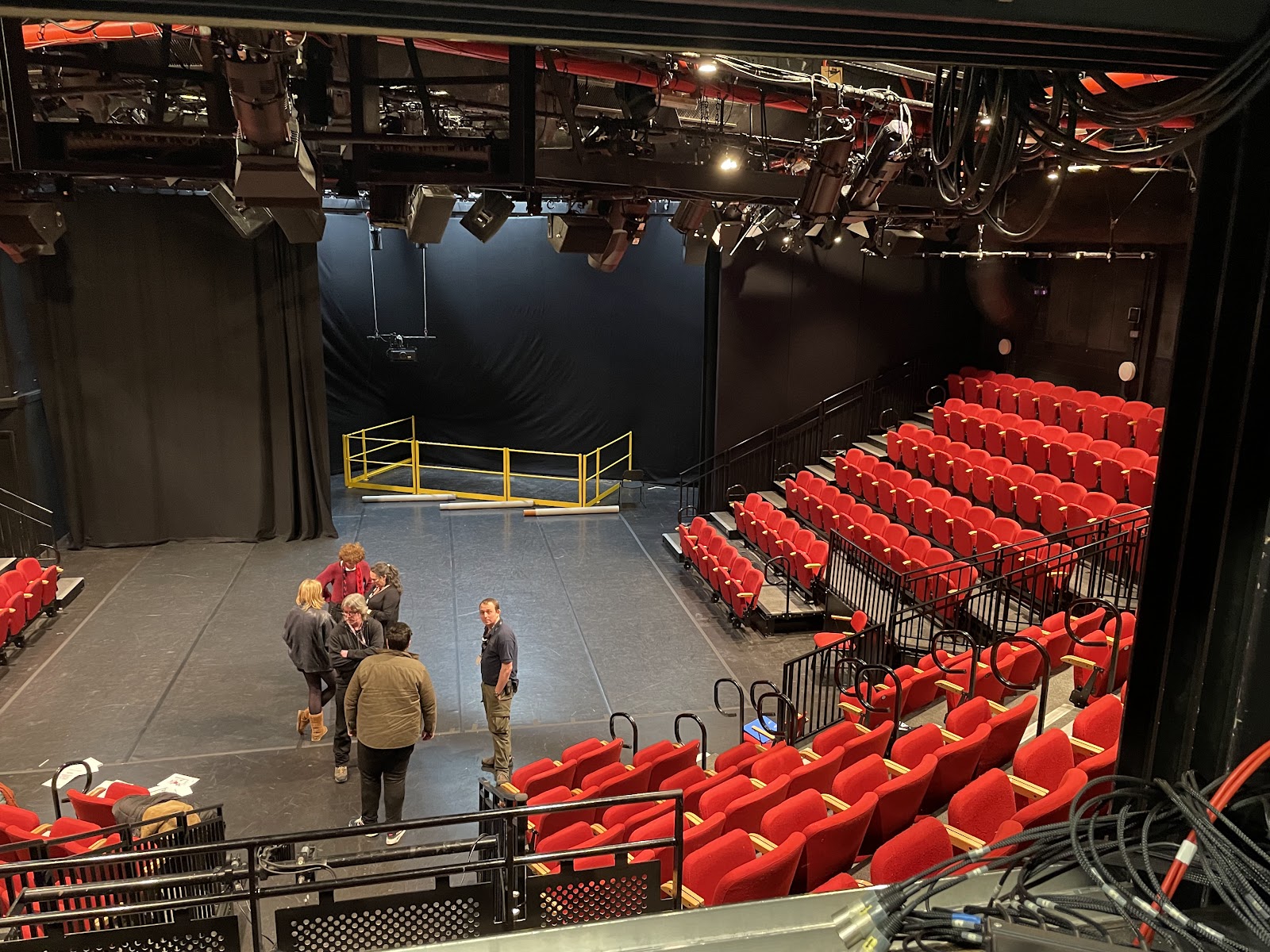
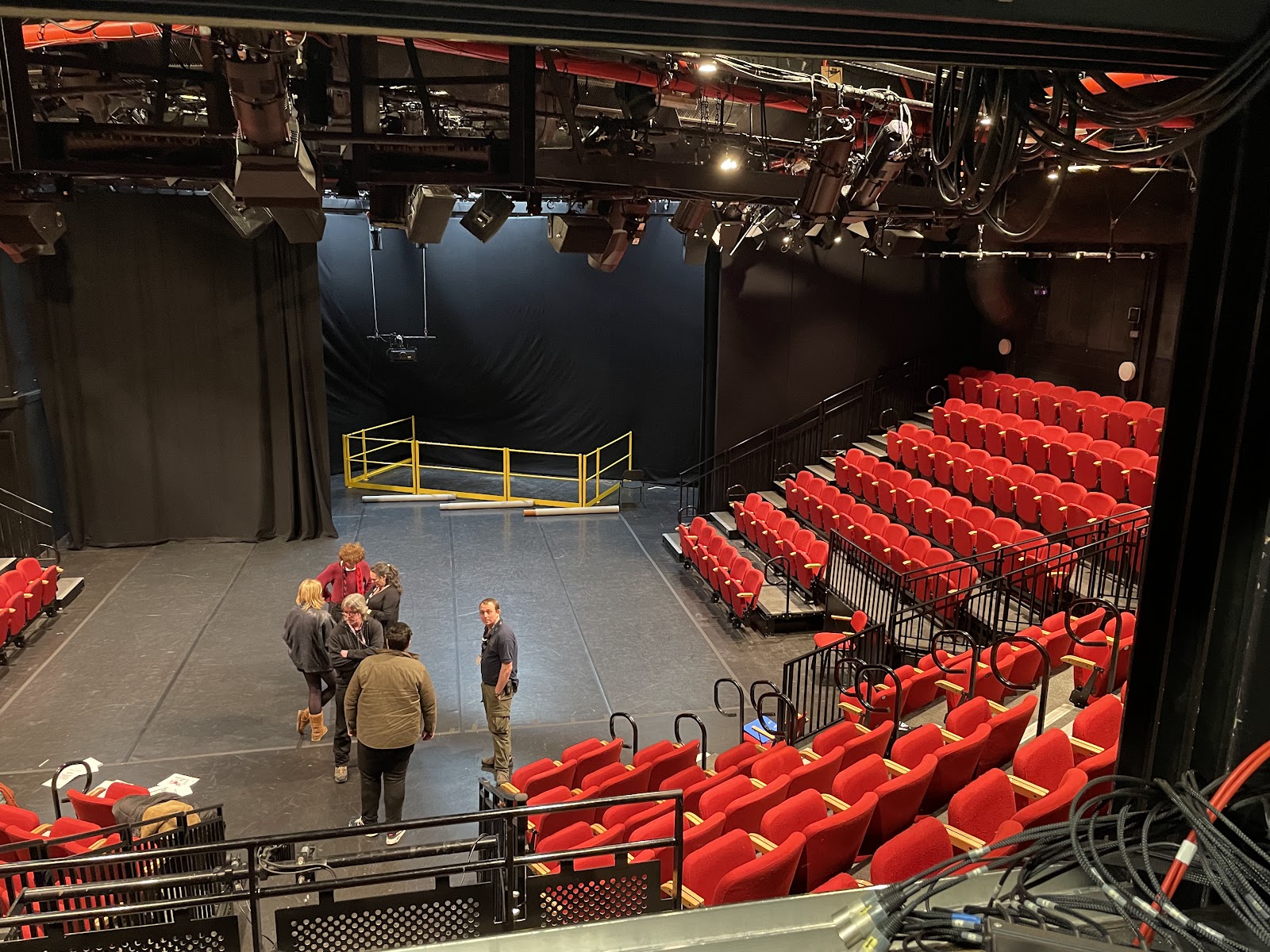
The Minerva Theatre is a perfect space for this incredibly intense and disturbing play. But that should not be an impediment for a transfer to the West End. This is a terrific revival of a thought-provoking play; a play of its time, but with clear resonances for the changing modern world of rebellion, terrorism and evolving attitudes about manhood. This is a play about something which few people know about from first hand experience – but it has much to say to everyone who sees it. The production is first class and Keenan gives a stellar performance.
See it.
But be prepared to be confronted. And moved.
Someone To Watch Over Me runs at the Minerva Theatre, Chichester until 10th October 2015
Stephen Collins is a contributor at British Theatre, covering West End productions, London theatre news, casting updates, and UK stage trends.
View profile and all articlesStay in the spotlight
Get the latest theatre news, reviews and exclusive offers straight to your inbox.