A Little Night Music: 40th Anniversary Concert
26 January 2015
4 Stars
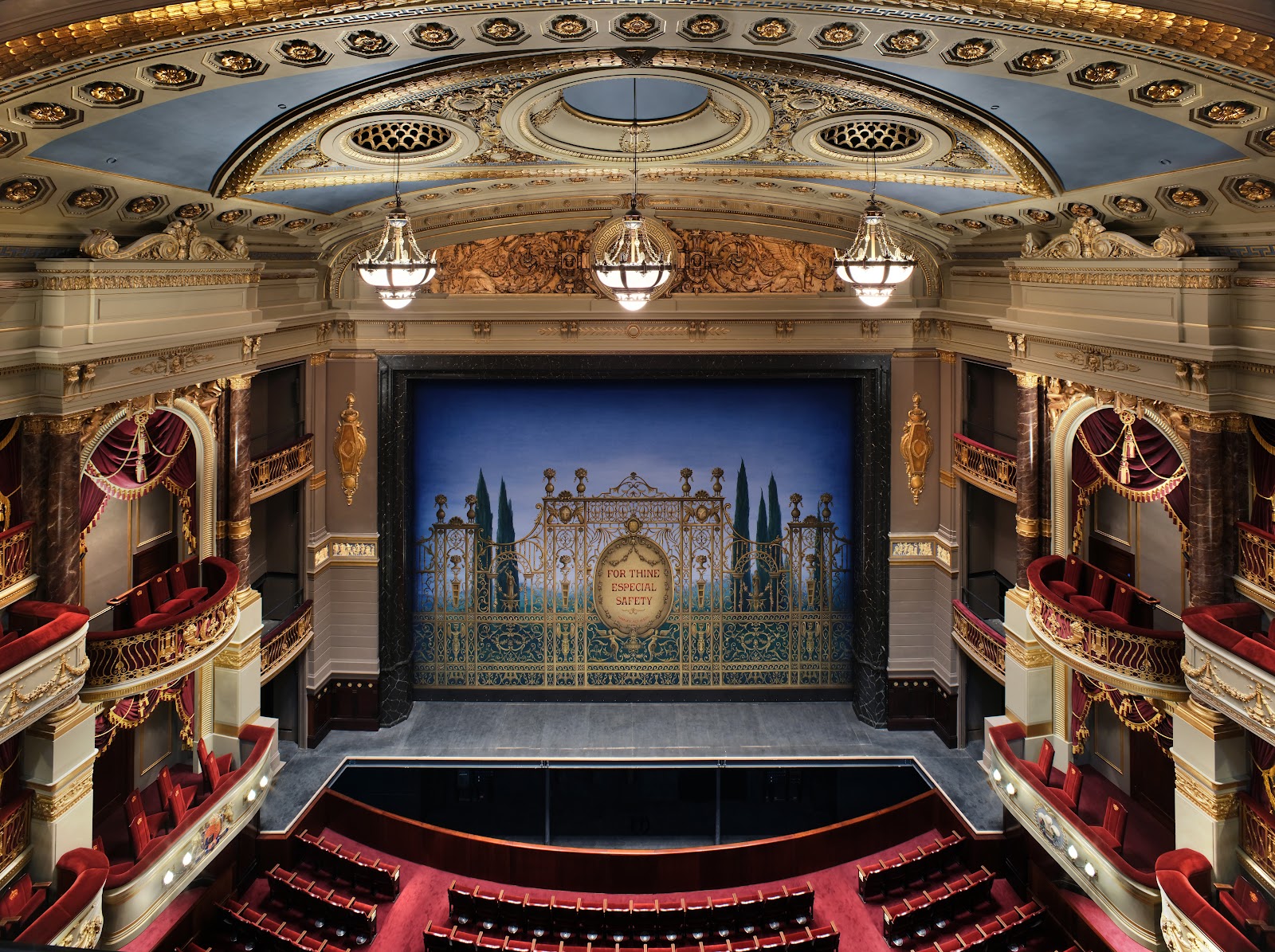
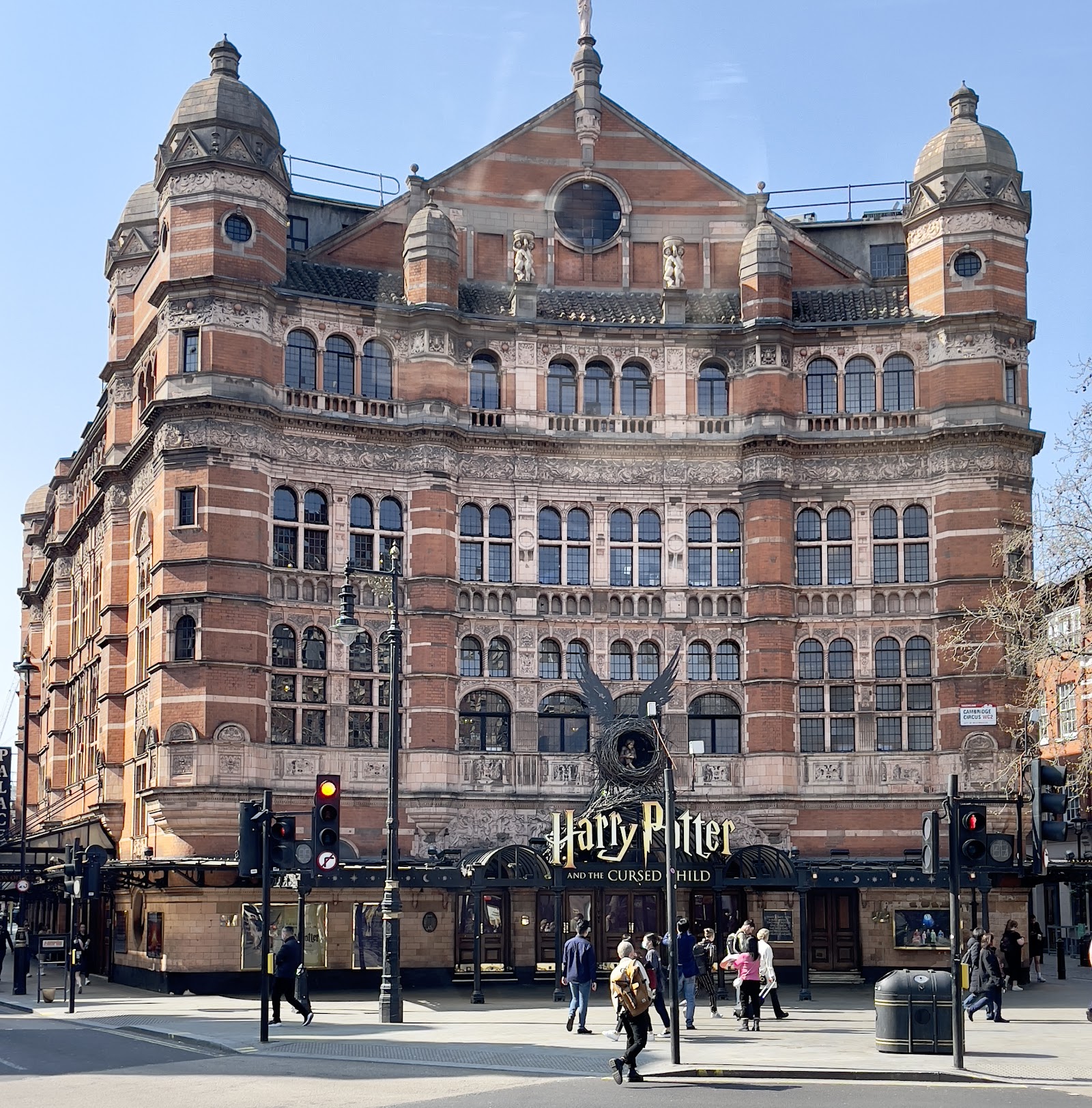
It is often easy to overlook the significant contribution Stephen Sondheim's collaborators make to his repertoire. Sondheim himself always insists he owes all to them, and while that may be over-egging the pudding, there is no doubt that without the writers of the books for which he composed music and crafted lyrics, there would be no Sondheim repertoire (at least as we know it). Hugh Wheeler's book for A Little Night Music is practically perfect in every way, a truth often lost in elaborate productions (good or bad) but blindingly obvious in an uncluttered, bare bones Concert version. Words have more importance when sets, costumes, lighting effects and props are all but absent. So it was at the Palace Theatre last evening, when a concert version of A Little Night Music, produced by Alex Parker, who also conducted the 28 piece orchestra and served as Musical Director, directed by Alastair Knights with choreography by Andrew Wright, played to a packed auditorium in celebration of the 40th anniversary of the original West End production (which opened at the Adelphi Theatre on 15 April, 1975). Wheeler's dialogue sparkled and fizzed, even in the mouths of those who were oddly or badly miscast. The sense of the quality of the literary glories of the book was most clear in the case of Joanna Riding's faultless Countess. Every line was a winner. Every nuance of pain or joy, properly and thoroughly explored. Riding gave an exemplary reading of the text and made the Countess real in every way. She sang beautifully too - archly, as is right, in her segments in A Weekend In The Country; haunting and sublime in Every Day A Little Death. As a diamond-sharp, three dimensional representation of the knife-edge between love and hate, Riding was magnificent.
Anne Reid was almost as faultless in her delivery of the jewelled dialogue Wheeler provides Madame Armfeldt. Although it was never possible to believe that Reid had been a regal courtesan, she ensured every joke, every contemplative thought made its mark. In that sense, she was delightful. I particularly liked the rapport she developed with Bibi Jay's endearing and precocious Fredrika and the silent, unfeasibly tall Frid (Joe Vetch). Her Liaisons was a little tortuous but it scarcely mattered. Reid shone as well as she could in the role and full credit to her.
Sondheim musicals provide many wonderful parts for women (see above); some of the best roles for women in the entire musical genre can be found in works with which Sondheim is associated. But there are a few roles which are incredibly difficult to pull off, even for the most gifted performer. There can be many reasons for this: vocally, the role can be taxing, requiring a huge range or a particularly high belt; dramatically, the role can tread unfamiliar territory, provide real obstacles to audience empathy.
Anne Ergerman is such a role. Married to a man who could be her father but with whom she will not consummate the marriage, even after 11 months, but constantly doting on her husband's son, a handsome youth much her own age. Strumpet and virgin; child and wife; petulant and indulged; flighty and humiliated: You must want her to lose to Desiree but like her enough to be happy she skips away with Henrik. Anne is a tough gig. But here, in the hands of Anna O'Byrne, Anne Ergerman was a complete triumph, the glittering centrepiece of Act One.
Enchanting in every way, O'Byrne took her cues for the character from the text, especially You Must Meet My Wife, and created a rare songbird of exquisite vocal and physical beauty, one that felt trapped, but did not quite know why, who could see the possibilities that freedom offered, but trilled and bounced around her refined cage in a pretence of joy to keep her master pleased. She did not make the mistake of using a quirky character voice for the dialogue and then forgetting it for song; her scenes with Fra Fee's confused and slightly idiotic Henrik were delightful. But it was her work with Riding that saw her truly sparkle. Every Day A Little Death was the vocal and emotional highpoint of the production. As the song says - the woman was perfection. Fee was, surprisingly, not up to the vocal challenges Henrik presents; there was no trace of the fine, easy upper register he displayed so skilfully as Candide. But otherwise his Henrik was a happy mix of bursting testosterone, clumsy fumbling (both of Petra and words) and "somewhere out there is a young man who will never be a priest". (with apologies to The Sound Of Music). Fee has an infectious charm on stage and looked and sounded exactly as Henrik should; apart from the music that is. Which was both mystifying and disappointing. On the other hand, Jamie Parker, who on paper at least would not be one's first choice as Carl-Magnus, was pitch-perfect in every way. He looked great, created a splendidly splenetic and bombastic tin soldier and made every second he was in a scene zing with power and interest. He conveyed the foolish Count's deluded sense of his own manhood with zesty vigour, was a perfect foil for Riding's betrayed Countess, and impossibly pretentious in his dealings with his rival. Parker sang everything well, but In Praise Of Women with particular gusto. His work in A Weekend In The Country and the subsequent arrival at the Armfeldt family manse was deliciously judged, gloriously funny.
On any view of it, Petra and Frid have the hardest tasks in the cast. Although they have relatively little stage time and Frid is mostly silent, they are key characters. Like Madame Armfeldt, both characters take their pleasure when they can, though unlike the Grande Dame, neither extracts a price for their considerable physical charms. Their one scene together is the only time in the show where true passion and lust gets recognised and sated. Vetch was an unbeatable Frid and, as Petra, Laura Pitt-Pulford shone so brightly you could see her from the Moon.
This was no ordinary take on Petra. Pitt-Pulford brought an ease and flippancy to the early scenes, a potent sexuality and sensual quality which thickened the atmosphere around her. Her frolic with Henrik was funny and awful, her frolic with Vetch's handsome Frid charged and erotic. Then, her delivery of The Miller's Son was positively explosive; one of those rare times that a singer can manage the vocal challenges without switching from chest to head voice (or at least without making that obvious) and simply belting and singing with true, unerring line as the tune dictates. Her way of ending the song, unique in my experience, was stunningly effective; a precise and haunting evocation of all that had happened to other characters in the piece. Just superb. A Little Night Music turns on the entwined lives of the two leads: Desiree and Fredrik. Janie Dee, usually so engaging, was a little at sea as Desiree and seemed not to be on top of the text, despite carrying a script. Flashes of her Desiree appeared and then disappeared in a disappointing inconsistency. She was at her best in her scenes with Jay’s Fredrika and there was no faulting the feeling she poured into her poignant Send In The Clowns. But there is more to Desiree than that one number and Dee was not in the league of the other performers on this occasion. Mystifyingly.
She was not helped by David Birrell’s deathly dull lawyer, Fredrik. For the story of these two key characters to succeed, it must be possible to feel the surge of electricity between Fredrik and Desiree when they meet after a decade and a half apart, to tangibly experience the attraction they have for each other. But Birrell brought none of that refined eroticism to the part and although he sang well enough, his Fredrik was entirely forgettable.
The Quintet, or as they have come to be known the Liebeslieder Singers, were quite dreadful. They have simple tasks: to provide a silky, smooth, and seductive atmosphere; to blend to create gorgeous harmonies which enchant and delight; to reflect and comment upon, in an unintrusive way, the activities of the leads. Not here. Knights and Wright presented them like some bad cabaret act on cocaine: loud, garish, overblown, out-of-tune (unforgivably and consistently) and out of place. Rather than tying the piece together, these five did their best to rip it apart. Incomprehensible.
Alex Parker conducted proceedings with assuredness and the orchestra provided rich and delicious support to the soloists. A Weekend In The Country, in particular, was beautifully played and it was joyful to hear the horns have their moment in the sun. Some of the tempi were odd but overall the musicality of Sondheim’s score was treated with respect, freshness and vigour.
To be fair to all involved, there was merely a week’s rehearsal for this concert; a little time for such a complicated and delicate piece of stage magic. That it achieved the heights it did in places is a measure of the skill and tenacity of all involved. The capacity crowd loved it and the whole experience was a sound reminder of the joy to be had from the marriage of large orchestras, great scores and talented musicians.
Between them, Riding, Reid, O’Byrne, Parker, Vetch, Jay and Pitt-Pulford, together with Parker’s orchestral support, made this evening one to remember.
Stephen Collins is a contributor at British Theatre, covering West End productions, London theatre news, casting updates, and UK stage trends.
View profile and all articlesStay in the spotlight
Get the latest theatre news, reviews and exclusive offers straight to your inbox.